Why Bollywood’s Film Schools Are Producing More Technically Skilled Directors
Bollywood directors are entering the industry with a stronger command of cameras, editing software, sound design, visual effects and production planning than many previous generations. Film-school training has become more practical, giving students access to digital workflows that were once limited to established studios and experienced technicians.
This shift is changing how Hindi films are developed. A director is increasingly expected to understand the full journey of a project, from the first storyboard and location recce to the final colour grade, theatrical mix and streaming master. Creative instinct still matters, but technical fluency can prevent expensive mistakes.
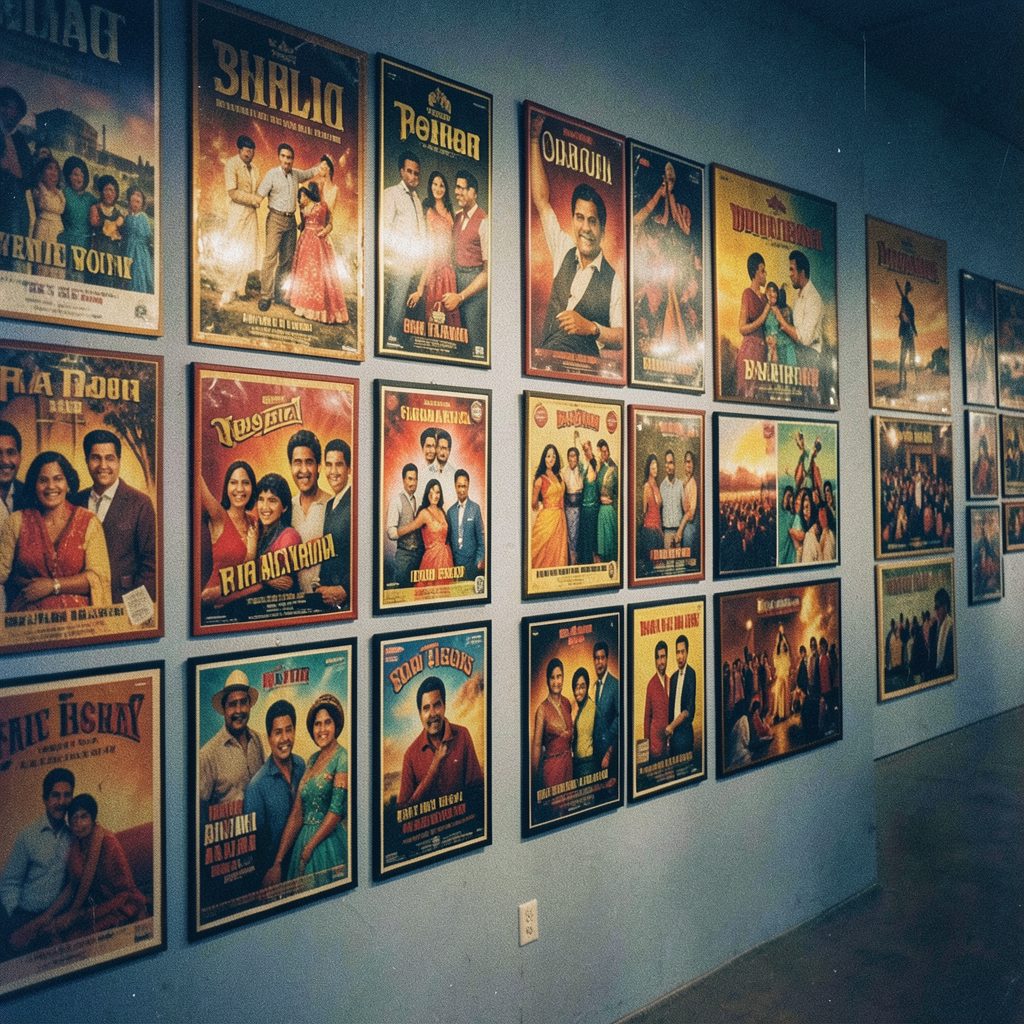
The change is visible to international audiences as well. Indian cinema now reaches viewers in Sydney, Melbourne, Brisbane and Perth through cinemas, festivals and streaming platforms, where production quality is judged alongside stars and storytelling. For Bollywood’s emerging filmmakers, professional craft has become part of the conversation from day one.
Why Film Education Has Changed
Older paths into Hindi cinema often depended on personal contacts, assistant-director roles or years spent learning informally on busy sets. Those routes still exist, but film schools provide a more structured environment. Students can rehearse scenes, test lenses, record sound and edit footage without waiting for a major production to offer them a chance.
Affordable digital cameras have also widened access. A student can shoot a short film on a mirrorless camera, refine it on a laptop and receive detailed feedback within days. That speed encourages experimentation, while repeated production exercises make technical decisions feel practical rather than theoretical.
Film institutes now teach workflows that resemble professional studios. Screenwriting, cinematography, production design, editing and sound are treated as connected disciplines. This helps directors understand how a creative decision in one department affects the work of every other department.
Directors Learn To Think Like Department Heads
A technically confident director does not need to replace a cinematographer, editor or sound designer. The advantage is knowing how to communicate with those specialists. Students learn the language of shot sizes, coverage, frame rates, codecs, production sound and continuity, making collaboration faster and more precise.
Pre-visualisation has become especially important. Storyboards, shot lists, blocking diagrams and reference reels allow a director to test an idea before a crew spends money on it. This matters in Bollywood, where large casts, songs, locations and action sequences can make a single day of shooting extremely expensive.
Training also exposes students to the pressure of real deadlines. They may have to complete a scene before daylight disappears, solve a faulty microphone or adjust a schedule after a location becomes unavailable. These exercises develop calm decision-making, a quality that is difficult to learn from lectures alone.
Digital Cameras Put Craft Within Reach
The arrival of lightweight cinema cameras has changed the classroom. Students can explore handheld movement, drone imagery, low-light photography and naturalistic performances without the logistical burden of older film equipment. They also become familiar with data management, backup routines and on-set monitoring.
This technical grounding influences visual style. A graduate may be comfortable moving between a restrained drama, a music video and a high-energy action sequence. Knowledge of lenses and lighting gives directors more control over mood, while an understanding of production design helps them create images that feel intentional rather than merely expensive.
The same principle applies to sound. Many film-school graduates now recognise that clean dialogue, room tone and carefully designed effects shape an audience’s response as strongly as a striking image. That awareness can raise the quality of independent Hindi cinema, where sound has often been compromised by limited budgets.
Post-Production Begins Before The Shoot
Editing courses teach directors to think about rhythm before a camera is switched on. Students learn how performance, cutting, transitions and silence influence a scene. They can review rough assemblies during production and identify missing coverage while reshoots are still possible.
Colour grading and visual effects are now part of basic filmmaking literacy. A director may not perform the grade or build a computer-generated environment, but they should understand what can be achieved in post-production and what must be captured on set. This prevents unrealistic expectations and protects the film’s visual identity.
Streaming has made delivery standards more demanding. Different platforms may request specific resolutions, subtitles, audio mixes, artwork and metadata. A filmmaker who understands these requirements can plan efficiently and avoid discovering technical problems after the film is locked.
Industry Awareness Makes Training More Useful
Film schools are also teaching the business around filmmaking. Students study budgeting, rights, contracts, festival strategy, publicity and audience research. These subjects help directors understand that a film’s prospects depend on positioning as well as artistic quality.
The commercial side can be surprisingly detailed. Questions about music ownership, remake rights, brand placement and licensed images can affect whether a project is released smoothly. A useful discussion of merchandise economics also shows why revenue ideas must be tested against actual fan behaviour rather than assumed enthusiasm.
This education is relevant to the Australian market, where Indian films often depend on targeted theatrical runs in areas with large South Asian communities. A Hindi release might perform strongly at Event Cinemas in Sydney or Melbourne, while a smaller title may rely on community promotion, festival screenings and streaming discovery. Directors who understand audience segmentation can make smarter release and publicity decisions.
What Australia Can Teach Emerging Filmmakers
Australia offers a useful comparison because its screen sector combines public funding, private production, international partnerships and strong training institutions. The Australian Film Television and Radio School in Sydney and the Victorian College of the Arts in Melbourne emphasise practical work, professional standards and collaboration across disciplines.
Local conditions also encourage resourcefulness. A student filming around Melbourne’s laneways, Sydney’s western suburbs or the Gold Coast must consider permits, unpredictable weather, public transport, noise restrictions and limited shooting windows. Even a quick arvo shoot can require careful planning when locations are busy and crew travel takes time.
The market is smaller than India’s, yet Australian filmmakers often develop versatile skills because projects have lean crews and tight budgets. Bollywood schools can draw from that attitude while retaining the scale, musicality and popular appeal associated with Hindi cinema.
| Area of Training | Earlier Learning Pattern | Current Film-School Approach | Benefit For Directors |
|---|---|---|---|
| Camera Work | Mostly learned through assisting | Frequent hands-on exercises | Better visual control |
| Editing | Often left to specialists | Directors cut their own projects | Stronger pacing decisions |
| Sound | Treated as a finishing task | Recorded and designed from development | Clearer, richer films |
| Production Planning | Learned informally on set | Budgets, schedules and breakdowns | Fewer costly delays |
| Distribution | Focused on theatrical release | Includes festivals, streaming and digital delivery | Wider audience awareness |
Skills Worth Carrying Into Production
The strongest graduates combine technical knowledge with curiosity about people. Software changes quickly, but the ability to observe behaviour, direct performers and understand emotion remains central. Technology is most useful when it serves character, atmosphere and story rather than becoming decoration.
For directors building careers in Bollywood or working between India and Australia, the following habits are especially valuable:
- Learn enough cinematography to make clear visual decisions with a director of photography.
- Record and monitor production sound instead of treating dialogue problems as an editing issue.
- Cut short scenes personally to understand rhythm, performance and missing coverage.
- Build realistic budgets that include transport, insurance, post-production and delivery costs.
- Study subtitles, dubbing and accessibility so films can travel across regions and platforms.
- Keep organised project files, camera reports and multiple backups from the first day of shooting.
The Next Generation On Set
The rise of technically skilled directors does not mean every Hindi film will look alike. Training can produce polish, but distinctive cinema still depends on cultural insight, risk-taking and a strong point of view. The most exciting graduates will use professional tools to tell stories that could not have come from a generic production template.
Their advantage is flexibility. They can speak with an editor about structure, a colourist about tone, a producer about cost and a streaming team about delivery without losing sight of the audience. That shared vocabulary can make productions more efficient and give new voices a better chance of surviving the journey from script to screen.
For an aspiring filmmaker, the practical next step is to complete one short film from screenplay and shot list through edit, sound mix, subtitles and final delivery, then review every stage with a working professional.