The economics of Bollywood film merchandise and why it rarely works
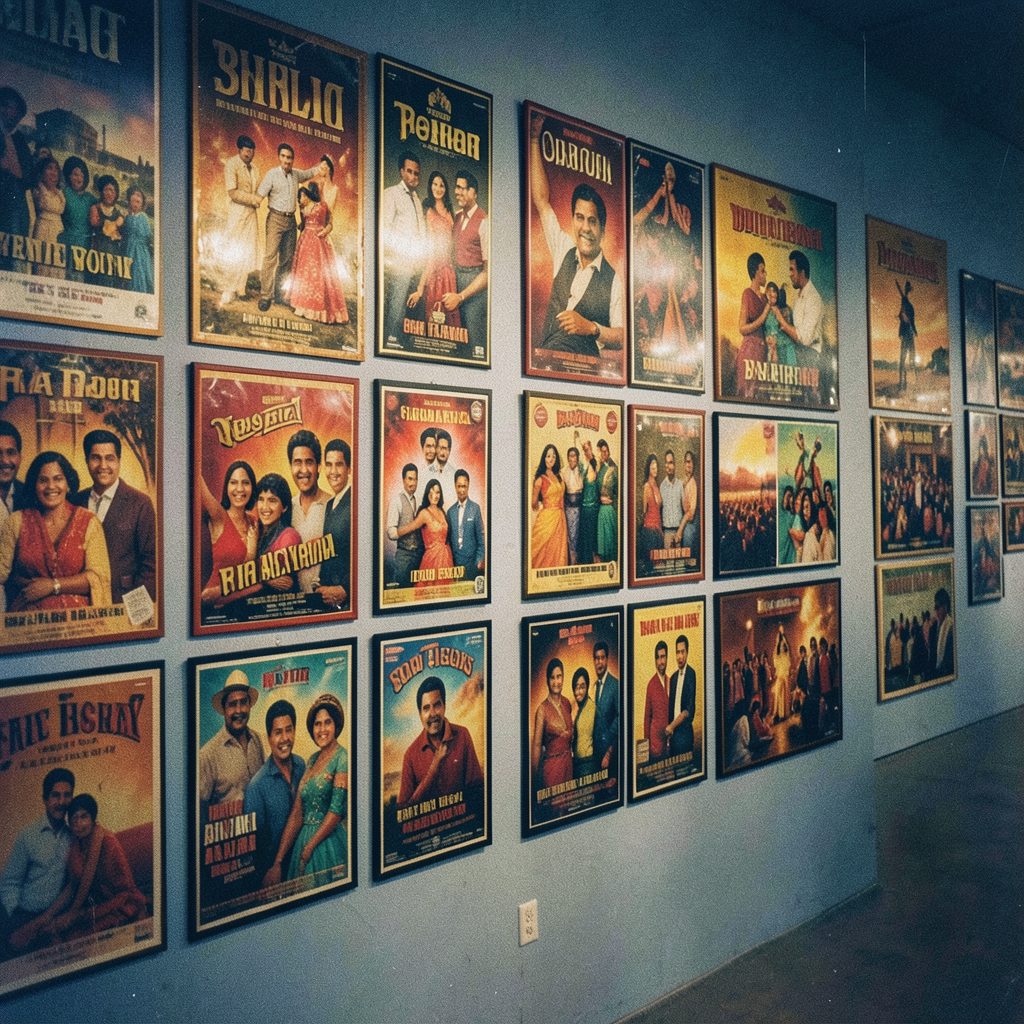
Bollywood sells stories, stars, songs, costumes and visual identities at enormous scale. A successful Hindi film can dominate box-office conversations, social media feeds, music charts and celebrity news within days. Yet the same film often struggles to sell licensed T-shirts, action figures, posters, collectibles or themed lifestyle products.
That gap reflects a basic mismatch between attention and purchasing behaviour. Indian audiences may enthusiastically share a trailer or recreate a dance step without wanting to spend money on an official product. Film merchandise therefore has to convert emotional fandom into a retail habit, and Bollywood has rarely built the systems needed to make that conversion reliable.
The opportunity remains significant. A large young population, expanding e-commerce market and strong interest in Bollywood fashion could support a healthier licensing business. The problem is that merchandise requires careful planning long before a film reaches cinemas, while Hindi film campaigns often focus on opening-weekend visibility and short promotional cycles.
Why film merchandise is difficult
The first obstacle is fragmented demand. A Bollywood audience is not a single consumer group. Viewers may support a star, a franchise, a song, a character, a production house or a particular fashion moment. Those interests overlap, but they do not automatically create a broad market for the same product.
A film also has a limited commercial window. A major release may dominate attention for two or three weeks before audiences move to the next title, streaming launch or celebrity story. Merchandise ordered after the film becomes popular can arrive too late, while products manufactured before release carry the risk of weak reviews, disappointing box-office results or an unexpected audience reaction.
Copyright management adds another layer of complexity. Studios must coordinate with actors, production companies, music labels, designers, distributors and external licensees. Character likenesses, dialogue, logos, music references and costume designs can each require separate approvals. Every additional rights holder reduces speed and increases the cost of a small product run.
The economics behind the shelf
Merchandising looks simple from the outside: print a film logo on a shirt and sell it online. In practice, the product price must cover design, licensing, manufacturing, packaging, warehousing, payment processing, marketing, returns and retailer margins. A product can generate publicity yet still lose money if the sales volume is modest.
Low-volume production is especially expensive. A factory can produce thousands of identical items efficiently, but a film license may attract only a few hundred serious buyers. Small batches create higher unit costs and leave unsold inventory. Apparel brings additional risks because sizes, colours and seasonal demand complicate stock management.
| Product category | Main cost pressure | Likely buyer | Commercial risk |
|---|---|---|---|
| Graphic T-shirts | Small batches, size variation, returns | Young fans and streetwear buyers | Unsold sizes and weak repeat demand |
| Posters and art prints | Printing, shipping and damage | Collectors and home décor shoppers | Low average order value |
| Action figures | Moulds, safety testing and tooling | Children and serious collectors | High upfront investment |
| Jewellery and accessories | Materials, design approval and quality control | Fashion-led fans | Product may feel generic |
| Premium collectibles | Sculpting, packaging and limited production | Dedicated fan communities | Narrow audience, high price |
| Home and lifestyle goods | Broader design and inventory requirements | Families and casual viewers | Film connection may be too weak |
The economics improve when a product serves a use beyond fandom. A well-designed jacket inspired by a popular character can compete as fashion, while a mug carrying a film poster may appeal only to an existing admirer. This distinction explains why Bollywood fashion collaborations often have better prospects than conventional promotional merchandise.
Stars create attention, but not always ownership
Celebrity power is Bollywood’s strongest commercial asset, but star popularity does not automatically translate into licensed product sales. Fans may follow an actor’s interviews, hairstyles, airport looks and endorsements while viewing official film merchandise as childish, overpriced or poorly designed.
There is also a difference between admiration and collection. Global franchises such as superhero universes have trained some audiences to collect character-based products across films, games and streaming series. Hindi cinema has generally been built around individual releases rather than permanent fictional worlds. When the story ends, the commercial identity may lose urgency.
Star-led merchandise can work when it reflects a clear personal brand. A fashion label, fragrance, skincare line or premium collaboration gives the consumer a product with an independent identity. By contrast, a hurried T-shirt tied to one opening weekend can seem like advertising rather than something worth owning.
Where Bollywood merchandise has the best chance
Music offers a stronger route than many studios use. Bollywood songs remain culturally durable, especially when linked to weddings, dance performances, college events and social media trends. Vinyl records, lyric art, concert apparel and high-quality album packaging could give soundtracks a longer commercial life.
Iconic costumes and visual design also have potential. A carefully developed capsule collection inspired by a character’s wardrobe can reach shoppers who do not consider themselves collectors. The product should borrow a colour palette, silhouette or motif rather than reproduce a publicity still. Subtle references tend to work better in everyday clothing and accessories.
Streaming has changed the opportunity as well. Digital platforms can identify which characters, scenes and titles generate sustained engagement across regions. That data can inform limited releases instead of forcing studios to guess demand months in advance. Pre-orders, timed drops and direct-to-consumer stores can reduce inventory risk while making a product feel exclusive.
The role of licensing, retail and distribution
Many Indian film companies have treated licensing as a secondary promotional activity rather than a specialised business. Successful consumer products require dedicated teams that understand brand architecture, product development, retail pricing and customer service. A film producer may own a valuable intellectual property but lack the operational capacity to turn it into a retail range.
Distribution is equally important. A product hidden on an unfamiliar studio website will struggle to compete with established fashion and e-commerce platforms. Physical visibility matters too: cinema chains, bookstores, department stores, pop-up shops and fan conventions can turn merchandise into an experience rather than a search result.
Pricing must match the target audience. Cheap products can attract impulse buyers but may look disposable; premium items can generate stronger margins but require exceptional design and packaging. The most viable model is often a tiered range, with affordable accessories for casual fans and limited-edition pieces for collectors.
Practical moves for a healthier merchandise strategy
Bollywood studios and licensees can improve the odds by treating merchandise as a brand-building programme rather than a last-minute add-on. The strongest plans begin during script development, identify a distinctive visual world and test products with real consumers before committing to large production runs.
A sustainable approach should focus on fewer, better products that have value beyond a film’s theatrical run:
- Build merchandise around durable characters, songs, costumes or fictional worlds rather than generic film logos.
- Use pre-orders, small drops and regional testing to measure demand before manufacturing at scale.
- Partner with fashion, stationery, gaming and lifestyle brands that already understand their customer base.
- Offer several price points, from accessible posters and accessories to premium collector editions.
- Track sell-through, returns and repeat purchases instead of judging success only by social-media impressions.
The central lesson is that Bollywood has plenty of cultural capital but limited merchandise infrastructure. Audience excitement is valuable, yet it becomes revenue only when design, rights, pricing, production and distribution work together. A film can be a national talking point and still fail as a consumer brand if the product feels rushed or irrelevant.
Merchandise will rarely become a dependable income stream through logo printing alone. It needs the same creative discipline applied to a film’s music, poster campaign and costume design. As Hindi cinema expands across streaming platforms and international markets, studios that turn memorable screen identities into useful, well-made products will have the clearest chance of changing this pattern.
Keep following Wassupbollywood for Bollywood business analysis, box-office trends, film reviews, fashion stories and the industry decisions shaping what audiences watch and buy.