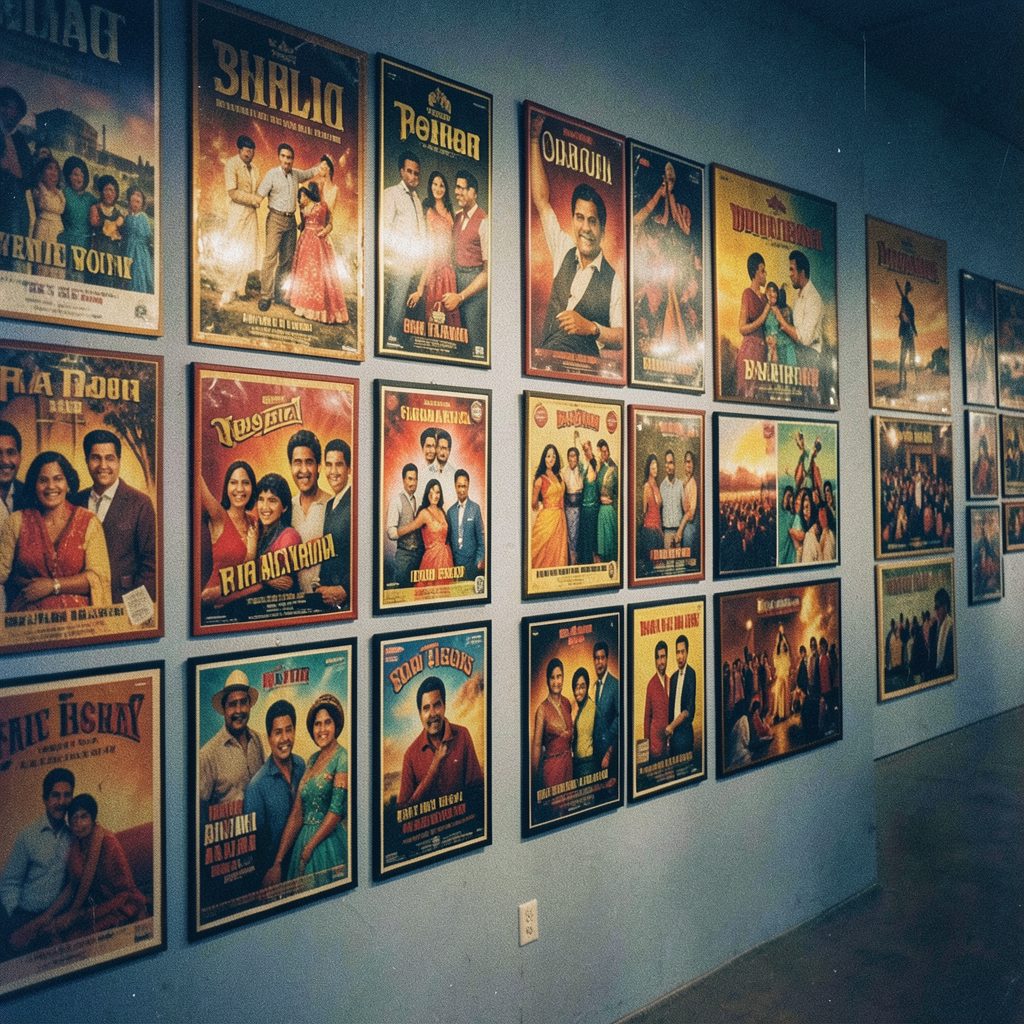

Why Bollywood’s Retro Music Remixes Are Topping Charts Again
Bollywood’s retro remixes are charting again because they turn instantly recognisable songs from Hindi cinema into fresh, highly shareable records. “Mera Joota Hai Japani,” “Dum Maro Dum” and “Kaho Naa Pyaar Hai” already carry decades of nostalgia; updated rhythms, cleaner production or sharper vocal treatment can give those memories a dance-floor life.
The revival is more than a fashion for old songs. It combines deep catalogue value with short-video discovery, streaming playlists, club utility and the special role Hindi film music plays at Indian weddings, Diwali parties and family celebrations. Australian listeners are joining that shift through community radio, fitness studios, multicultural events and the country’s strong appetite for international pop.
Familiar hooks remove the guesswork
Recognition gives a catalogue track a major head start in a distracted feed. A chorus heard before invites listeners to stay, while an unfamiliar song has to earn attention from the first beat. The original melody becomes a compact piece of shared knowledge, carrying its emotional register and often the scene associated with it.
Those memories span age groups. Longtime fans associate the song with a film, cassette era or family gathering; younger listeners may know it from a parent’s playlist, a meme or a recent release. The remake serves as both callback and introduction, linking one generation’s nostalgia with another’s first discovery.
That emotional shortcut does not guarantee a hit. The new version must respect the hook while changing enough to justify another listen. When a recognisable vocal sits over a modern beat, the song offers comfort and novelty in the same track.
Short video turns nostalgia into momentum
Social platforms have shortened the path from familiarity to consumption. A familiar chorus can anchor a dance clip, costume reel or comic transition, while the fresh rhythm gives creators something new to move to. Each use supplies a social reason to stream the full recording rather than merely recognise it.
Streaming services benefit because listeners who recognise the song are more likely to save it, add it to a playlist and return to the artist’s page. Those actions help recommendation systems keep serving the track, particularly where newer Hindi releases compete for the same attention.
Film and advertising placements add another engine. A trailer, soundtrack, reality-show scene or festive campaign can send audiences back to an older recording, then a contemporary DJ cut becomes the version they save. The audience knows where the song came from, yet hears it in a setting that feels current.
A new remix needs more than a recognisable chorus
Producers commonly preserve the vocal and lyrical hook, then rebuild the arrangement around punchier drums, sub-bass, synths or traditional percussion. The contrast creates momentum: the voice acts as a recognisable anchor while the production supplies surprise. A softer house edit, Punjabi bounce or stripped-back lo-fi version can each suit a different part of the day.
Genre-crossing is central. Retro Hindi pop now moves through EDM, trap, Afrobeats, garage and lounge styles, sometimes led by dhol or tabla patterns rather than imported Western beats. Listeners do not need to choose between cultural familiarity and a sound made for contemporary playlists.
None of this happens outside the wider entertainment economy. For readers tracing that setting, the film and sound resources offer useful context on how screen culture, music and public spaces connect.
Bollywood songs now anchor diaspora life
For Indian communities in Australia, the song is often part of the event itself. Sangeet nights, mehndi ceremonies and family dances use energetic reworks while slower originals remain reserved for emotional moments. The playlist is doing social work, bringing relatives, friends and dancers together across generations.
Sydney’s multicultural suburbs and community radio networks give that demand an outlet. A track can begin as a local favourite at a family event, enter a broadcaster or DJ’s rotation, then circulate nationally through streaming. The route is intimate, helping explain why an old melody can feel newly popular without any new story attached.
Melbourne adds a particularly receptive setting, with its respected live-music culture, warehouse parties and active South Asian event circuit. Indian wedding season also overlaps the Australian summer, pushing celebrations into marquees, parks and back gardens. Outdoor speakers, long dancing schedules and late finishes give dance edits an advantage over slower studio arrangements.
Australian listeners reshape the catalogue boom
ARIA’s charts draw on streaming, radio and sales signals, so repeated use matters as much as a momentary spike. Familiar Bollywood cuts can benefit from national playlist placement and concentrated local demand. A song used at weddings across Sydney, Melbourne, Brisbane or Adelaide may receive the repeated plays that move a catalogue release upward.
Australia also offers a useful perspective on catalogue economics. The country produces relatively little Hindi film music of its own, so listeners’ recurring demand often points toward established Bollywood releases and their newer versions. Community radio, university festivals, dance studios and specialist DJs act as filters, identifying which songs fit local tastes rather than simply copying India’s hit list.
That filtering can change the balance of a record. A Hindi song with a strong melody may gain traction here even if its Indian chart run was modest, while club edits can travel through social media before earning mainstream radio attention. Australia is shaping which versions of familiar Bollywood classics feel most alive.
The business favours songs with many lives
For labels and rights holders, older recordings are unusually valuable assets. They come with recognition built in and require no new recording session, while a reworked release can earn fresh streaming, download, sync and performance income. Releasing an official club cut also gives artists and publishers a clearer path than leaving the song in unofficial DJ circulation.
Official releases can improve the listening experience. Correct credits, clean mastering and accurate metadata make a version easier to find while supporting the performers, writers and rights holders behind the original recording. Too many editions can still dilute a song, and nostalgia loses force when every chorus receives the same predictable thump.
The durable releases tend to serve a clear occasion: a wedding rush, a club set, a gym class or a nostalgic radio slot. They know which audience they are reaching and what energy that audience wants. That focus explains why selective, well-made reworks endure while trend-driven revivals fade quickly.
The songs that stay in rotation
The comeback will probably keep evolving. Expect more Hindi songs to be rebuilt for global clubs, regional-language crossovers and live events, as well as new film songs designed with nostalgia in mind. The most convincing examples will preserve the emotional identity of a melody while giving it a contemporary pulse.
Live performance and DJ culture will remain crucial because these tracks are communal objects. They are played as couples enter, families dance or a crowd answers a familiar chorus. Their success is measured in streams, but also in the number of occasions that can make the same song feel new.
The lesson to remember is that a retro Bollywood remix succeeds when nostalgia is made usable. The melody must be instantly recognisable, the rhythm newly alive and the recording flexible enough to join another celebration, commute or club night. Familiarity opens the door; a strong new arrangement is what keeps the song in rotation.