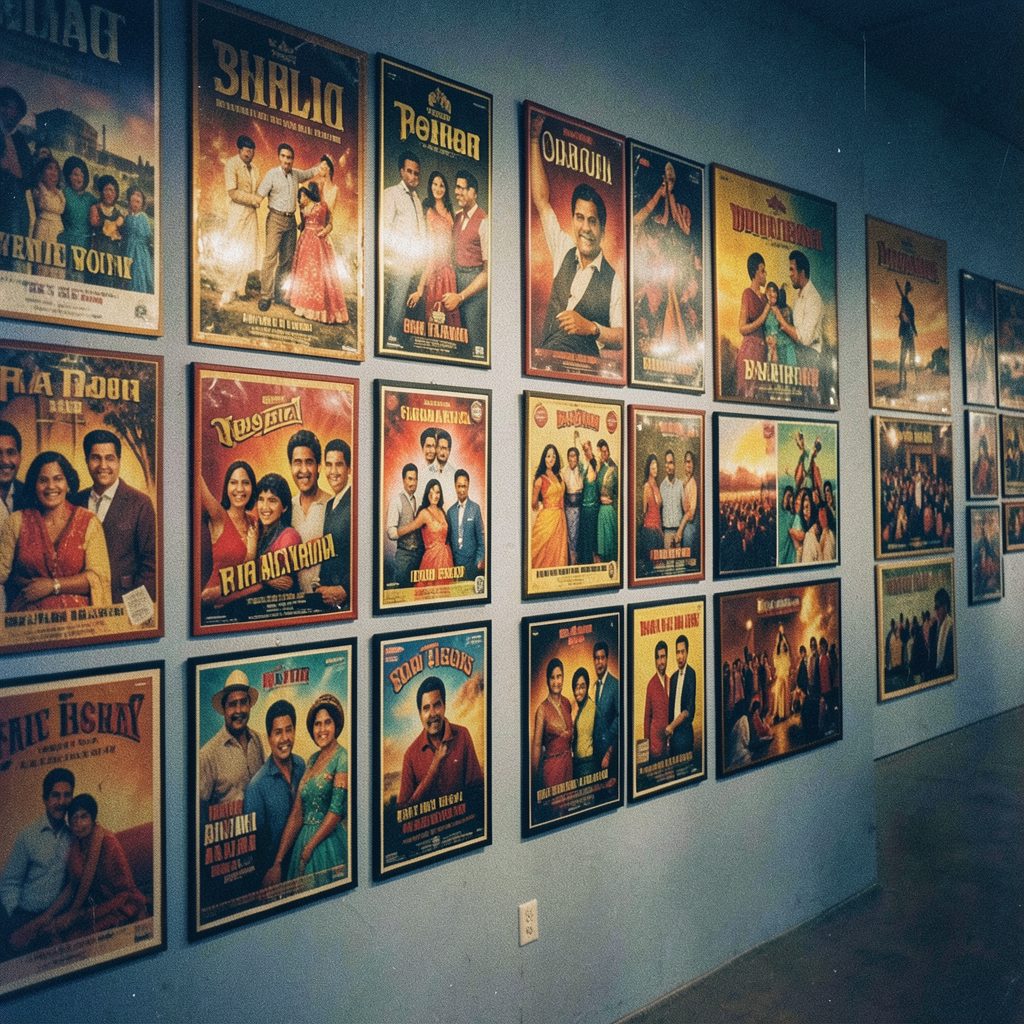
Why young Bollywood actors are training more professionally
Walk into a rehearsal room in Mumbai and the change is immediately clear. A child actor may begin by learning how to deliver a line across several camera angles, then rehearse a physical reaction, record a self-tape audition and discuss the scene with a coach. The emphasis is no longer simply on memorising words. It is on controlling performance, understanding direction and remaining comfortable with the pace of a professional set.
For Australian viewers, this shift reflects a wider transformation in Hindi cinema. Child performers now move between films, television, advertising and streaming platforms, often competing with experienced actors who have received formal coaching. Understanding why Bollywood's child actors are receiving more professional training reveals an industry responding to bigger opportunities, sharper casting standards and a greater awareness of young performers’ welfare.
A more professional route into the industry
Cinema has always needed child performers for school scenes, comic episodes, family drama and musical numbers. In the past, many young actors learned largely by watching senior performers and following directions on set. That approach could produce memorable natural talent, but it offered little preparation for auditions, continuity, camera technique or the unpredictable demands of a commercial shoot.
The modern route is more structured. Children may attend acting classes, choreography sessions, voice coaching and language workshops outside active production. Some work with casting agents who prepare self-tape auditions and rehearse scenes in the same format used by directors. Parents are more likely to treat these sessions as part of a long-term career rather than a short-term attempt to secure one role.
This development follows the expansion of Mumbai’s screen industry. Theatrical releases coexist with streaming services, reality shows, daily entertainment programmes and high-volume advertising, each creating additional demand for performers who can deliver quickly and reliably. Competition has made professional preparation a practical advantage rather than a luxury.
The skills children are being taught
Technical camera awareness is one of the most important additions. Young actors are taught where to look, how to hold a reaction and when a subtle movement will register on screen. Lessons in hitting marks, matching eyelines and repeating a performance for continuity help them understand that a convincing scene may require several controlled attempts.
Language and movement receive similar attention. A child may practise dialogue in Hindi, English or a regional language, while also working on pronunciation, rhythm and emotional clarity. Choreography coaches teach dancers how to perform for the lens instead of simply moving energetically. These sessions also cover physical safety, stamina and recovery, particularly when a sequence must be repeated many times.
Performance psychology is another growing part of the curriculum. Coaches help young actors separate character emotion from personal anxiety and replace exaggerated reactions with believable behaviour. They also learn how to accept direction, handle criticism and participate in an audition without becoming dependent on the approval of one casting decision.
How the training model has changed
The contrast below describes common patterns rather than every production. Some experienced child performers still learn mainly on set, while some workshops contain little more than a teacher asking children to perform a scene.
| Earlier informal pathway | Current professional pathway |
|---|---|
| Learning mainly by observing senior actors | Rehearsing scenes with notes, corrections and repeated takes |
| Improvising around the needs of the shoot | Understanding marks, camera angles, eyelines and continuity |
| Copying dances from film and music videos | Studying choreography, movement vocabulary and physical control |
| A parent informally coordinating auditions | An agent or manager handling submissions, schedules and contracts |
| Long days with unclear stopping points | Written schedules that include breaks, rest and continued schooling |
The difference is less about glamour than preparation. A rehearsed performance can reduce pressure during an actual shoot because the child already knows what is expected. It can also make filming more efficient, which matters when schools, guardians and young performers are protecting time away from work.
More hours are not automatically better. Quality depends on the teacher’s method, the child’s temperament and whether the training leaves room for play, family life and education. The strongest programmes measure progress through confidence and technical control rather than exhaustion.
Stronger safeguards around demanding work
Professionalisation has coincided with stronger scrutiny of child labour, safeguarding and education in India. Juvenile-justice and child-employment rules have increased pressure on production teams to consider whether a child’s participation is safe, age-appropriate and in the child’s best interests. Safeguarding is therefore becoming part of professional practice rather than an informal concern left to individual families.
A responsible environment requires agreed working hours, proper breaks, access to water, meals and rest, and clear rules governing physical contact. Children should know that they can pause, ask for help or reject a direction that feels wrong. Guardians and trained welfare personnel need channels for concerns that do not depend on the child speaking to a senior adult on set.
Education must remain part of the plan, not an inconvenience squeezed between call times. Younger performers need ordinary time with classmates, play and activities such as sport or music. A set can be an exciting workplace, but it should not become the only adult-led structure shaping a child’s daily life.
Signs that training is genuinely professional
Families, educators and casting professionals can judge a programme by its methods as much as its results.
What families can look for
- The coach explains goals in language the child understands.
- Sessions build specific skills instead of collecting vague praise.
- Training fits around school, meals and rest.
- The child has a say in goals and is comfortable expressing uncertainty.
- Progress is discussed without comparing the child with adult performers.
What studios should provide
- A written schedule covering work, breaks and call times.
- A named safeguarding contact who is not the child’s parent.
- Consent procedures for every filmed scene or public appearance.
- Feedback that is private, age-appropriate and free from manipulation.
- Coordination with the child’s school when production affects attendance.
These signals matter more than the size of a star’s follower count or the number of auditions completed. Online visibility can create opportunities, but it can also expose children to constant judgement. A good programme helps them use digital tools without learning that every reaction deserves an audience.
What the Australian context adds
Australia provides a useful parallel because professional child casting is part of the local screen economy. Sydney and Melbourne contain production studios, casting agencies, advertising companies and crews serving both Australian productions and international platforms. Young performers may encounter entirely different expectations when moving from a local commercial to a larger television or film project.
The everyday rhythm can look familiar: school pickup, sport on Saturday, dance lessons and an audition recorded in a bedroom. Australian families often balance structured after-school activities with school holidays, which creates a practical lesson for Hindi cinema. Elite coaching fits more easily into family life when it does not replace sleep, schooling or unstructured play.
Regulation also has strong Australian relevance. State and territory laws differ. New South Wales uses working with children checks and specific entertainment-industry child employment rules, while Victoria requires its own working with children clearance and sets conditions through entertainment regulations. Other jurisdictions have equivalent but differently worded requirements. Families considering overseas work must check the rules applying where the production is filmed; Australian checks and contracts will not automatically replace local legal protections.
The local industry offers another valuable lesson. Australian child actors regularly work alongside adults, repeat scenes for different formats and provide voice or motion performances for animation and advertising. Training that combines acting, movement, technical awareness and clear communication prepares them for those tasks while preserving the boundaries needed for a sustainable career.
The standard young talent should expect
The strongest preparation for a child performer combines practical skill with emotional security. Lessons in camera work and dialogue matter because they improve the craft. Safeguarding, rest and education matter because they protect the person doing the work.
The best child actor is not the one who works the longest hours or performs the most auditions. It is the young performer who develops confidence, technique and resilience while retaining the freedom to learn, rest and remain a child outside the camera’s frame.