Bollywood stories that change how audiences see mental health
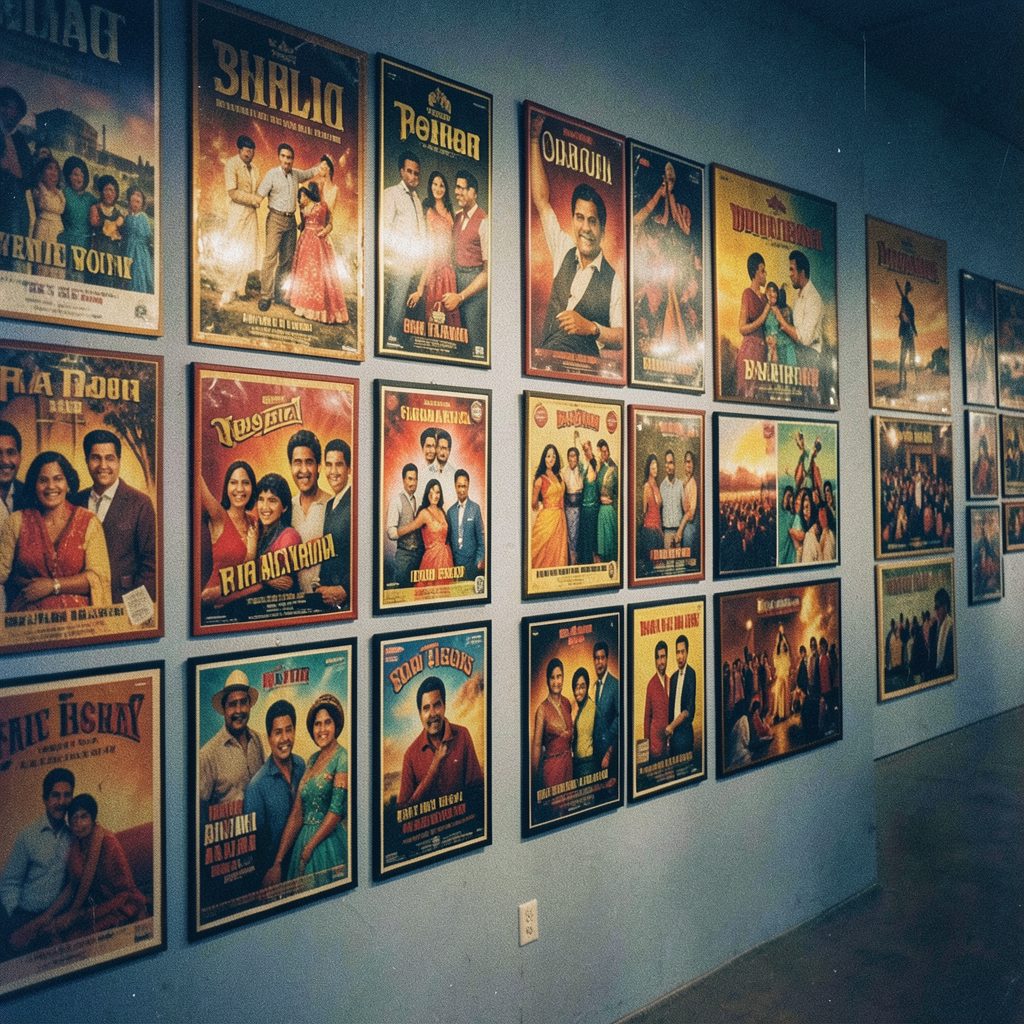
Bollywood has long made emotional distress visible through romance, family conflict and sacrifice. A character may be described as “mad,” “emotional” or “possessed” when the script needs to explain unusual behaviour. These labels have supplied drama, but they have also shaped stereotypes that can follow actors and viewers beyond the cinema screen.
The impact of Bollywood's mental health representation on audience perception is therefore more than a question of realism. A therapy scene, panic attack or decision to seek help can make a difficult subject feel discussable, while a villainous depiction can turn illness into a shorthand for danger. International audiences notice both the cultural specificity and the familiar emotions behind it.
Modern Hindi cinema is widening that vocabulary. Films such as Chhichhore and Dear Zindagi place depression, trauma and suicidal thinking within family, friendship and campus life rather than treating them as isolated plot devices. The shift does not make every portrayal accurate; it changes the range of responses available to an audience.
Yet a meaningful image on screen is only the beginning. Audiences also judge whether a character retains agency, whether recovery is believable and whether humour is used to open a difficult conversation or sidestep it. That judgement is shaped by Indian family expectations, by Bollywood’s star culture and by the viewing habits of each market.
| Portrayal | Likely audience response | Limitation or risk |
|---|---|---|
| A named condition shown through consistent symptoms | Viewers may recognise the experience without feeling labelled abnormal | Diagnosis can appear more precise than the story supports |
| Distress expressed indirectly through isolation, anger or sleeplessness | Familiarity can encourage empathy and conversation | Ordinary stress may be misread as mental illness |
| Humour used by a supportive peer group | Shame can feel less isolating and help-seeking can look normal | Jokes may minimise danger when distress is not light |
| Recovery shown through gradual support rather than a sudden cure | Relationships and treatment can appear genuinely useful | A neat resolution may suggest resilience alone is sufficient |
From melodrama to mental health language
Older Bollywood formulas often explained inner turmoil through romantic jealousy, family obligation or a dramatic revelation. That language still carries cultural weight: an individual’s distress may be treated as temporary until it threatens marriage, career or reputation. Contemporary screenwriters can challenge the pattern by allowing anxiety, grief or trauma to remain unresolved long enough for characters to name it.
The change is visible when a psychiatrist, counsellor or trusted friend is not positioned only as a comic device. In Dear Zindagi, therapy conversations give several characters different routes toward stability, including professional support and companionship. In Chhichhore, a suicide attempt becomes part of a story about friendship and parental grief, although the film’s tonal mixture can make risk itself appear playful to some viewers.
How screen portrayals shape perception
Film creates social scripts as well as stories. When a depressed character receives patience from a friend, audiences may learn that withdrawal deserves concern rather than annoyance. When the same character is mocked for receiving treatment, the scene can reinforce the belief that asking for help is shameful. Each choice offers viewers a model for understanding people whose distress they might otherwise avoid.
Celebrity coverage extends this influence beyond a film’s plot. News about an actor’s fitness, breakdown or comeback can blur character and performer, encouraging audiences to treat private distress as public evidence of talent or instability. Press coverage of Hrithik Roshan’s demanding roles illustrates how audiences are invited to read physical discipline as part of a star’s identity, but it offers less insight into the psychological work a role may demand.
If a beloved actor is shown recovering, audiences may recognise resilience and family support without needing a derisive label. If distress is repeatedly used to justify punishment, however, illness becomes associated with danger or personal failure. Representation matters because viewers carry these impressions into conversations about real people, including celebrities whose public lives they follow closely.
Accuracy, agency and the risk of simplification
Accuracy does not require a film to function as a clinical guide. It does require more than attaching a diagnosis to a dramatic change in behaviour. Consistent symptoms, respectful dialogue and some time for the character to experience uncertainty can make a portrayal credible without claiming that every person responds in the same way.
Humour requires particular care. A joke shared between characters who understand one another can reveal affection, embarrassment or the difficulty of naming an experience. The same humour imposed by a dismissing relative can reproduce the stigma the film appears to challenge. Audiences often remember the emotional tone of the scene more clearly than its explicit message about illness.
Agency is equally important. Characters should be able to refuse help, seek it, change the kind of support they need or recover without appearing to surrender their identity. This distinction matters especially in Bollywood, where characters are frequently expected to put family reputation ahead of personal wellbeing. A story can depict compassion while still implying that the individual must finally submit to collective expectations.
What changes for Australian audiences
For Hindi-speaking communities across Sydney’s western suburbs, Melbourne, Adelaide and Brisbane, Bollywood can be both global entertainment and family memory. These audiences may recognise Indian marriage expectations, career pressure and the emotional weight of family decisions while encountering mental health through the distinct rhythm of Hindi film dialogue, song and melodrama. Their responses are therefore shaped by cultural familiarity as well as Australian experiences of migration and belonging.
Local viewing habits add another dimension. Audiences encounter Hindi cinema at the Indian Film Festival of Melbourne, in subtitled theatrical screenings and through streaming platforms, where reviews and social media can influence interpretation before a film is finished. Australia’s Boxing Day release tradition can also turn a Hindi film into a social outing with relatives and friends. When Australian release dates do not coincide exactly with Indian ones, online clips and early word of mouth may establish expectations before audiences see the wider narrative.
Access to professional support also differs from what many Bollywood characters experience. Australia’s Medicare system and general-practice mental health care plans provide recognised pathways for treatment, while Headspace and community services offer younger people additional support. That does not erase cultural stigma within Indian families, but it gives audiences access to alternatives when a film depicts secrecy, self-reliance or avoidance as the only response to distress.
The representation worth remembering
The lasting influence is not that Bollywood can make a clinical problem appear entertaining. It is that repeated, humane portrayals can alter the assumptions attached to anxiety, depression, trauma and neurodivergence. They can replace mockery with recognition and make help-seeking feel like a practical choice rather than a betrayal of family or celebrity expectations.
The representation worth remembering is one that preserves complexity: people experiencing distress are not defined by symptoms, and recovery is not merely a plot resolution. A familiar face on screen may open a difficult conversation, but realistic relationships, professional care and dependable local support remain essential beyond the film’s final frame.