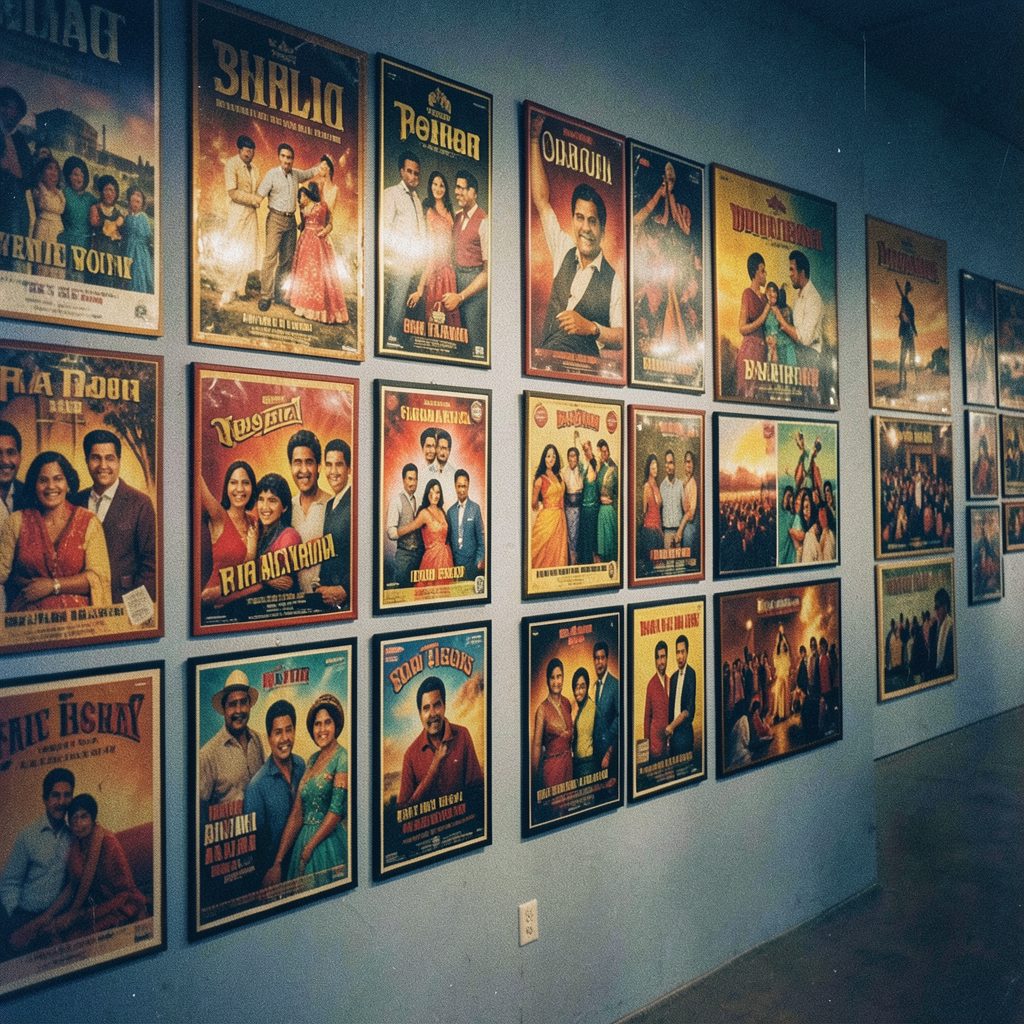

How Streaming Platforms Shape Bollywood's Multi-Starrer Films
Streaming platforms are reshaping Bollywood's approach to multi-starrer films by changing what a crowded cast must prove before cameras roll. Familiar stars can still secure attention, yet a film built around six or seven equal personalities now faces tougher questions about runtime, marketing cost and the value of each name. Learn more about как организовать онлайн конференцию чек лист.
The shift has not turned every release into a direct-to-device premiere. Big ensemble spectacles still benefit from the communal energy of a cinema screen, while premium theatrical windows can generate publicity and subscriber acquisition. What has changed is the route to the audience and the evidence producers use to judge whether an ensemble story is viable.
Streaming changes the unit of success from opening-day collections to sustained viewing, completion and the ability to keep a title visible among endless recommendations. That encourages sharper audience promises: a reunion pairing, a regional crossover, a genre twist or a hook built around one character's unexpected role.
For Australian viewers, these shifts are visible across Netflix, Prime Video, Stan, Disney+ and free-to-air services carrying international drama. The country's smaller theatrical market, strong subtitling habits and culturally diverse cities make it an instructive place to see how global Hindi cinema travels.
From ensemble bets to event films
Ensemble casting once carried considerable cultural weight in Bollywood. A family gathering, a friendship circle or a collision of rival families could hold several major performers without making one the sole centre. Digital distribution weakens that logic because stars can be bought in combinations, and a platform can build a title around a marketable duo more easily than around a broad, evenly weighted ensemble.
Commissioning teams increasingly ask whether three anchors can open the film and whether the remaining cast adds a distinct audience. This can produce leaner stories, but it can also encourage filmmakers to give every major character a memorable function. Regional-language crossovers, workplace comedies and intergenerational drama give ensemble films ways to differentiate themselves without relying on star count alone.
The theatrical event remains valuable, particularly when the scale of the cast supports a once-in-a-cinemas occasion. Many projects now plan a short exclusive run followed by a streaming date, or a broader simultaneous rollout across territories. This hybrid model can preserve urgency in cinemas while giving platforms a catalogue product with a long discovery window.
Stars, scripts and streaming power
Streaming has also altered negotiations around stars. Performers with established fan communities lower the risk of a title disappearing from promotional feeds, yet their fees can consume a digital production budget. Producers may therefore choose a compact cast, attach a bankable lead to a less familiar supporting ensemble, or build the concept around a pairing that audiences already recognise.
Data informs that decision, but it cannot decide story quality. Platforms may compare trailer completion, search activity and character artwork before greenlighting, while viewers still respond to chemistry, dialogue and moral complexity. The strongest multi-starrer concepts make each addition feel consequential rather than decorative, and they give the audience a reason to stay after the first star appears.
Trailers remain the public face of that proposition. Viewership rankings such as this ranked Bollywood trailer collection show how quickly a familiar pairing can dominate searches and social reposts, while clips isolating comic reactions or action beats can give secondary characters their own promotional lane. The most effective campaigns use those assets to reveal ensemble dynamics rather than presenting an indistinguishable wall of red carpet.
Australia as a revealing streaming market
Australia offers a particularly useful lens because Hindi cinema reaches a broad diaspora audience while competing with a mature local streaming market. Netflix, Prime Video, Stan, Disney+, ABC iview and SBS On Demand operate with different catalogues and release habits. Indian films can arrive on a global platform one day and a local service later, making discovery and availability part of the story.
Cultural programming is equally significant. The Melbourne International Film Festival and Indian film events in Sydney give smaller titles an audience beyond routine browsing, while Diwali has become a familiar cinema season in both cities. Many Indian titles are watched with English subtitles, and some receive additional regional-language dubs or captions, reflecting the practical preferences of a multilingual Australian audience.
Production teams planning Australian launches must also account for local classification, marketing lead times and the country's time zones. For cast conversations staged as online events, a general online conference checklist can help teams test connectivity, moderate questions and rehearse timing. An Australian premiere can then work as both a local event and a global social-media moment.
Theatrical and streaming release choices
Theatrical and streaming releases reward different forms of urgency. A cinema date concentrates reviews, influencer coverage and word of mouth around a limited run; a streaming premiere offers convenience, repeat viewing and a longer shelf life. Multi-starrer films can use the first route for spectacle while preserving a second route for viewers who prefer the sofa.
Australian release planning needs to respect familiar cinema habits, including online seat booking and the Friday-night ritual, as well as venues such as Melbourne's drive-ins. Larger Indian event films may justify special festival or festival-season screenings, but a modest screen base makes selective availability more important. Theatrical exclusivity must therefore create real value rather than merely delay an easy streaming visit.
| Decision factor | Theatre-first release | Streaming-first release |
|---|---|---|
| Business goal | Opening-weekend revenue, concentrated publicity and premium status | Subscriber acquisition, retention and catalogue depth |
| Greenlight test | Screen availability, ticket economics and event appeal | Search demand, completion forecasts and global reach |
| Ensemble value | A collective star draw can fill larger cinemas | A familiar pairing attracts clicks, while the story must retain attention |
| Marketing | Trailers, interviews, reviews and social reactions within a short cycle | Modular clips, artwork tests, recommendations and curated collections |
| Availability | Limited, high-intent theatrical window | Immediate access followed by an extended viewing period |
| Main risk | Weak occupancy or poor cinema economics | The title disappears into a crowded digital catalogue |
A hybrid release often fits ensemble cinema best: a measured theatrical run for communal events, then a platform window that extends the film's life through subtitles, curated collections and targeted promotion. Rights agreements, local edits and platform timing need to be mapped before cast schedules and publicity are locked.
A practical blueprint for ensemble success
A streaming-era ensemble film needs a proposition that can travel. The practical work starts before casting by defining the audience, the emotional engine and the one feature competitors cannot easily copy. Star names can open the door, but a clear hook keeps a film visible after the promotional rush.
These choices should shape the creative brief rather than become post-launch corrections. A project that treats streaming as one channel among several can protect theatrical urgency without allowing distribution strategy to overwhelm the characters.
- Define the audience promise in one sentence that a marketing team, cast and streaming partner can all repeat accurately.
- Give every major role a distinct dramatic purpose, including a clear conflict, relationship or narrative contribution.
- Model both theatrical and streaming economics before approving cast combinations, production scale and release commitments.
- Create modular promotional assets for each central character, while retaining a trailer that communicates how the ensemble functions together.
- Localise deliberately for Australian and other international viewers with accurate subtitles, accessible captions and regionally relevant publicity.
- Measure completion, repeat viewing and audience feedback over time, using those findings to guide promotion and future commissioning decisions.
The practical takeaway is that a multi-starrer film should function as a portable event: compelling enough for a cinema gathering, structured for streaming discovery and built around characters whose value remains clear when the stars share the frame.