How Bollywood releases soundtrack albums before films
Bollywood’s soundtrack albums are being released strategically before films as part of a wider publicity machine, not merely as collections of songs. Labels and studios use pre-release singles, complete albums and timed drops to create anticipation before a movie reaches cinemas or makes its streaming debut. Listeners can meet a film’s characters, tone and scale through audio weeks ahead of the first screening.
The shift reflects streaming habits, short-form video and the need to sustain attention across a crowded release calendar. A song works as a teaser, a soundtrack becomes a playlist, and a complete album can extend a brief promotional window into days of listening. Music also gives fans a reason to engage before they understand the story, converting curiosity into streams, saves and shares.
For Australian viewers, this strategy has local texture. Indian diaspora communities in Sydney, Melbourne and Brisbane often circulate new Hindi releases through family groups and social platforms, while Diwali and Eid gatherings give tracks a place in celebration playlists. The country’s smaller domestic audience for Hindi cinema makes digital discovery, festival exposure and reliable licensed access especially important.
From one song to a complete album
The usual sequence begins with a lead single, yet campaigns often divide attention rather than reveal everything at once. Each release answers a different question: what does the film sound like, who made the music, and is there enough variety to justify another listen? Staging the rollout gives publicity teams material for trailers, interviews and fan posts while preserving the impact of the complete album.
| Release format | Typical timing before film | What it offers fans | Main strategic role |
|---|---|---|---|
| Lead single | Six to ten weeks | A first song and visual | Tests interest |
| Second single | Three to six weeks | A wider emotional range | Sustains discussion |
| Full album | One to three weeks | Complete tracks and credits | Builds repeat listening |
| Launch-day album | Film release day | Immediate access with the film | Converts curiosity into plays |
These windows are rules of thumb rather than fixed deadlines, and the order can compress when a release date moves. Serving as the film’s original soundtrack, the album has a dual role: it is a commercial product with its own artwork and track list, and it is a preview of the cinematic experience. When the running order, cover image and date appear together, fans can treat the music drop as an event linked directly to the film.
Why pre-release music changes listening habits
This is why a soundtrack release can sometimes earn more daily streams than the film itself. A familiar melody travels easily through messaging apps, while a film trailer has to earn attention without sound in many feeds. Album tracks remain available after the trailer disappears, giving the campaign a longer shelf life and a larger surface for word of mouth.
The pattern benefits established composers such as A.R. Rahman and Pritam, as well as newer music directors, whose songs can become cultural markers for the production. For listeners, the reward is discovery; for studios, a soundtrack that travels beyond the film’s audience can widen awareness before release day. A successful album may therefore bring new viewers to the film without producing an immediate ticket purchase.
Signals worth tracking before the film arrives
The clearest clues sit in the release schedule itself, especially changes in format, timing and supporting material:
- A lead single arriving with character artwork and a teaser scene.
- A second track shifting mood or introducing another singer.
- Pre-save links appearing before the audio becomes public.
- The full cover and track order arriving before the film date.
- A composer interview, lyric clip or live performance filling the gaps.
A second group of signals comes from audience response rather than publicity scheduling. The useful measures are relative and early, so the direction of change matters more than one large number:
- Growth in playlist placements across Australian and global services.
- Early pre-save totals and full-album completion rates.
- YouTube views and share rates for official videos.
- Conversation inside Indian film fan groups in Australian cities.
- Festival interest following screenings or musician appearances.
None of these clues guarantees a hit, and a dramatic trailer can still produce little lasting engagement. Their value lies in the pattern: repeated releases, consistent artwork and growing saves suggest that the music is becoming a durable part of the campaign rather than a disposable promotional clip.
Streaming platforms set the pace
Digital distribution gives labels greater control over the rhythm of the campaign. Successive tracks can be scheduled with pre-save links, paired with videos and placed on editorial playlists, extending visibility beyond the first 24 hours. Algorithmic recommendations can then reward renewed listening when an audience member returns to the artist’s page.
Metadata is part of the plan, since searches for an actor, composer or film title should lead directly to the soundtrack. Some fans encounter unofficial viewing options while looking for where to watch, but unstable pages and misleading downloads make licensed Australian streaming, rental or festival channels the safer choice.
Artwork and audio create a shared identity
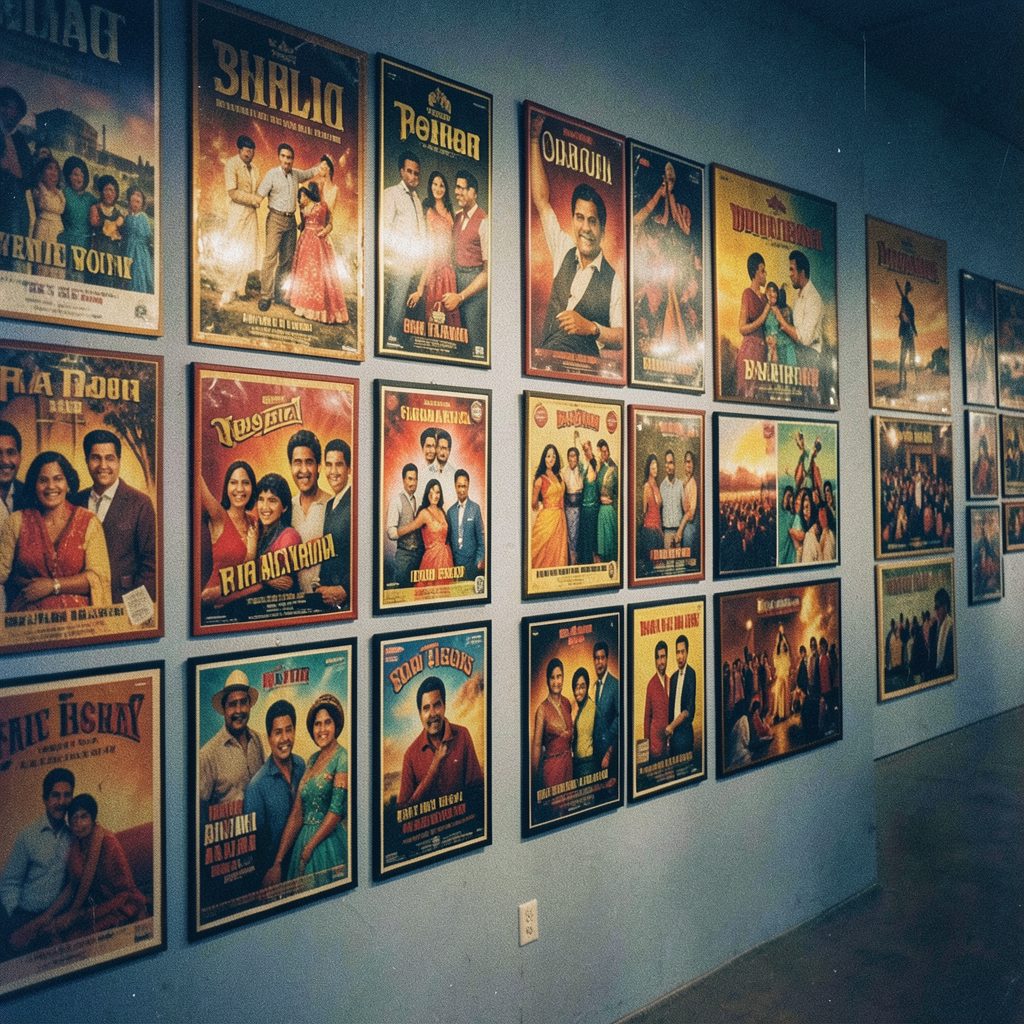
Artwork and film assets work together to make an album feel like a key to the movie. Posters can reveal character groupings, while cover designs echo costumes, locations or symbols from the story. Teaser songs often receive a brief visual chapter, and lyric videos keep the soundtrack visible between major trailers without explaining the plot.
Full scores also blur the boundary between music release and film marketing. A background-score album or themed instrumental can attract listeners who want the production’s atmosphere, while dance tracks provide upbeat clips for reels and event videos. Labels increasingly use alternate edits and clean versions to make one soundtrack useful across streaming, clubs, gyms and family playlists.
Australian audiences add a local dimension
Australian demand is smaller than India’s but strongly connected across borders. Many listeners discover music through YouTube channels and community pages before it reaches mainstream playlists. When a Hindi track travels beyond its core audience, ARIA chart visibility can add legitimacy, particularly when its growth comes from streaming rather than terrestrial radio.
Melbourne’s Indian Film Festival of Melbourne and film festival programmes in Sydney create another route into new soundtracks, often pairing a screening with a live performance or musician conversation. That exposure can extend an album’s lifecycle, because attendees can return to the music after the credits. These audiences are modest beside Mumbai’s, but they are influential and highly active.
Availability still varies by city and subscription, with Australian catalogues on services such as Netflix, Prime Video and Disney+ Hotstar changing as rights expire. Time zones matter too: music timed for midnight in India reaches Australia during the same morning, while viewers in the Americas may be a full day behind. Daylight-saving changes also alter the precise gap, shaping first-day stream totals and the speed of online discussion.
Reading the campaign as a sequence
The strategic pattern is easiest to read as a sequence of controlled reveals. A single establishes the sound, a second broadens the emotional range, visual assets deepen the connection, and the full album converts interest into repeat listening. Any stage can be accelerated or rearranged, but each performs a distinct job.
Success does not have to mean one viral song. A soundtrack can work by creating sustained playlist use, searches for the film, repeat visits to the artist’s page and renewed attention when the movie opens. Those signals are valuable in a geographically dispersed audience, where online discovery can connect Sydney, Melbourne, Brisbane and regional viewers faster than a local cinema release.
The practical takeaway is that the soundtrack drop is a marketing event in its own right: timing, track selection, visuals and platform placement reveal how the film is being positioned before audiences watch it.