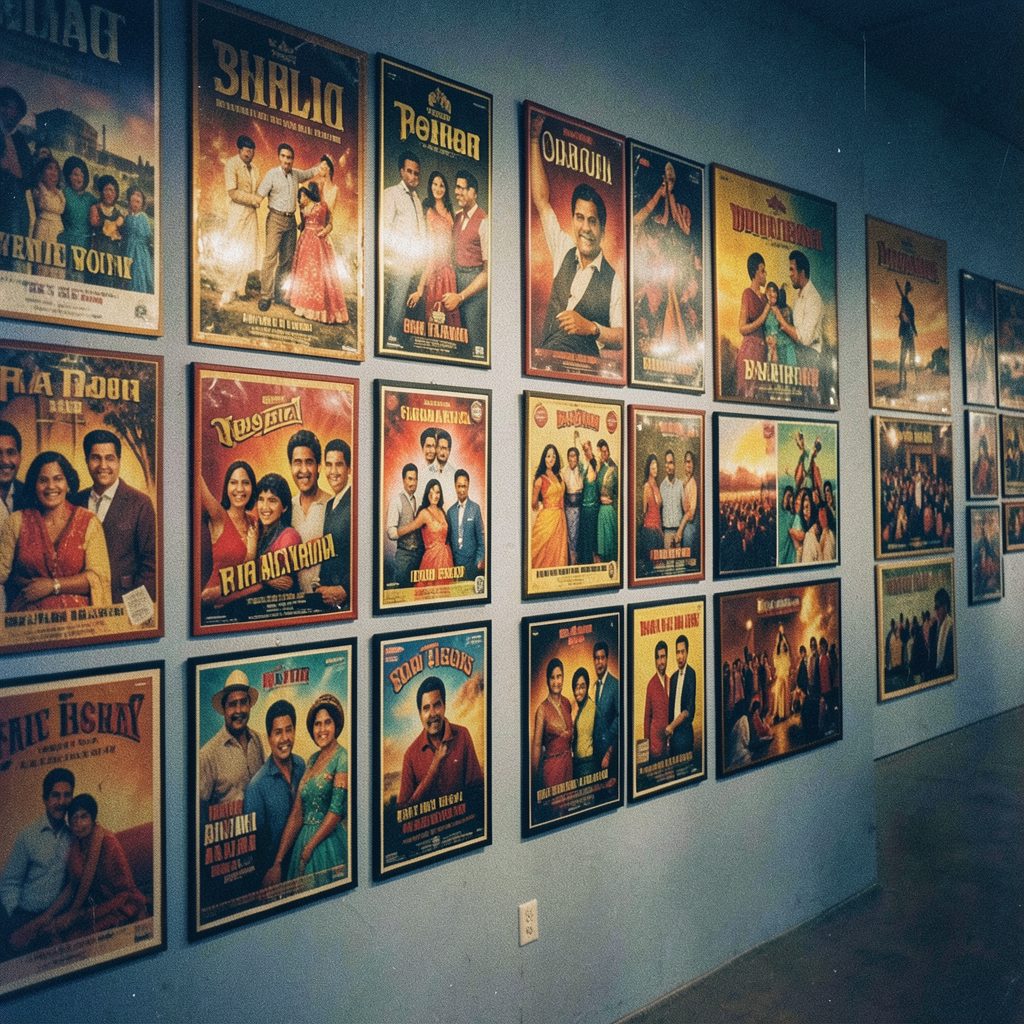
Inside Bollywood’s Pre-Release Story Repair Process
Bollywood’s script doctors are fixing plot holes before release, often through a process that never appears in the credits. When a character makes a choice without motive, a clue arrives too late or a hero escapes trouble through a missing scene, a revision specialist traces the cause and rebuilds the story around it. The finished film can appear seamless because the weakest version has been discarded.
Their task is not simply line polishing. A script doctor may move an entire act, sharpen a villain’s objective, connect a song to the plot or rewrite an ending after feedback from a test screening. The aim is to make each scene feel inevitable while preserving the director’s vision, the actors’ chemistry and the commercial rhythm expected by audiences across markets.
Why Plot Holes Appear Under the Final Cut
Long scripts and compressed production schedules are fertile ground for plot holes. Indian commercial films often combine several plots, musical transitions and large ensembles, so one line of action can distract from another. A chase may work dramatically while leaving the audience unable to explain why the antagonist started it or how the hero found a way out.
The repair usually begins with a scene-by-scene audit: which characters know what, when each decision is made and whether the payoff has been prepared. Rewriters also consider geography and elapsed time, because a journey that looks short on paper can consume hours on screen. Some problems are solved on paper; others emerge only after filming and prompt a reshoot, added dialogue or a different edit.
What Script Doctors Change on the Page
The first job is causal clarity. If the hero discovers a secret in the final act, the rewrite may plant its source much earlier. If an ally appears only to deliver information, that character can be given a personal stake or an earlier interaction. These changes turn convenient devices into consequences, allowing the audience to feel that the story has been moving toward its answer.
Character logic receives equally close attention. A villain who behaves irrationally often gains a specific fear, wound or deadline, while a protagonist who suddenly rejects the plan may need a visible conflict between loyalty and conscience. The doctor checks that transformations are gradual enough to survive close-ups, dialogue pauses and songs that compress time on screen.
Language and music are revised for function as well as rhythm. Hindi dialogue may be simplified for subtitled viewers without stripping away idiom, and a song’s lyrics may be changed so its emotional content matches the scene. Because streaming services sometimes use shorter edits than cinemas, writers can also prepare alternate scene versions that preserve the central cause-and-effect chain across both.
Collaboration Changes the Rewrite
Bollywood rewrites are often collective rather than solitary. The original writer, director, screenplay editor, dialogue team and senior story figure may pass drafts through a chain of notes. One version tightens the middle, another protects a performance, and a third checks whether an emotional beat still works once the camera angle changes. The site’s Hollywood collaboration report examines related growth of directors working with Bollywood stars, showing how cross-border partnerships can bring new rhythm to the same story.
That collaboration matters because a note from one department can create a problem in another. A sharper performance may require more screen time, while a location change can make a transition impossible. The final version is therefore negotiated between creative instinct, budget, legal clearance and the need to satisfy viewers who may first meet the film on a streaming screen.
The Australian Viewing and Legal Context
For Bollywood, Australia is a distinct viewing market rather than a simple extension of India. Sydney and Melbourne have large South Asian communities, active Indian film festivals and cinemas serving both mainstream Hindi releases and smaller regional titles. Viewers there often discuss story choices in family groups and online forums, making Australian word-of-mouth especially important for subtitled and dubbed releases.
Everyday viewing habits also shape expectations. Thursday-night premieres lead into busy weekend matinees, while audiences watching at home routinely switch on English subtitles and use quick playback controls across Netflix, Prime Video and other services. A scene rewritten to clarify information for an international audience may also need a version that preserves the compressed energy expected in a crowded Australian multiplex.
Legal and classification rules add another layer. Under the Classification Act 2013, the Australian Classification Board classifies commercial films and videos and sets age restrictions; state and territory laws govern enforcement. The Copyright Act 1968 governs unauthorised copying and distribution. For households that prefer television-led viewing, this Roku setup guide explains how Popcorn Time is configured on a TCL Roku TV; Australians should still check that the content source is authorised and use licensed services where available.
Signs a Screenplay Has Been Tightened
A strong revision should be invisible as a patch and visible as momentum. The following checks help distinguish structural repair from cosmetic rewriting.
Narrative integrity
- Every major decision has a stated or shown motive.
- Clues are planted before the mystery depends on them.
- Time, distance and character knowledge remain consistent.
- Each scene changes the situation rather than repeating it.
- The ending grows from earlier choices instead of arriving by accident.
These checks matter because Hindi cinema often lets a character explain the theme directly. A rewrite can keep that emotional honesty while moving crucial information into action, memory or conflict, so the story sounds less instructional without losing warmth.
Audience-facing polish
- Dialogue can be understood in subtitled and dubbed versions.
- Songs advance character, theme or plot rather than merely pause it.
- Revised scenes retain chemistry without relying on unexplained coincidence.
- Platform edits preserve the story’s cause-and-effect chain.
- The theatrical and streaming versions resolve the central conflict clearly.
Neither checklist guarantees a hit, and a polished script can still be undone by a weak performance. They do show that continuity is not paperwork; it is the invisible contract between what the audience is told and what they later see.
The Final Pre-Release Pass
A direct comparison shows where the invisible work produces the clearest results:
| Weak point | Pre-release repair | Screen result |
|---|---|---|
| Hero appears in one place | Establish travel, time and obstruction | Stakes feel earned |
| Mystery lacks evidence | Plant the decisive clue earlier | Solution feels discovered |
| Supporting role disappears | Attach the character to the main objective | Emotional payoff lands |
| Exposition stalls the action | Convert explanation into conflict or choice | Scene gains momentum |
| Ending introduces a new rule | Seed the rule within the earlier story | Resolution feels coherent |
The pattern is consistent: a script doctor does not usually make a film louder. They make cause, consequence and intention easier to perceive. A cleaner motive, a better-placed clue or one fewer redundant scene can give a large ensemble more room to breathe and let the audience follow the emotional line.
A concrete next check takes shape at the next Hindi-film screening: the central solution should follow a clue, motive or earlier choice prepared on screen. That visible chain is the sign the invisible rewrite has done its job.