Bollywood's most unforgettable heroine entrances
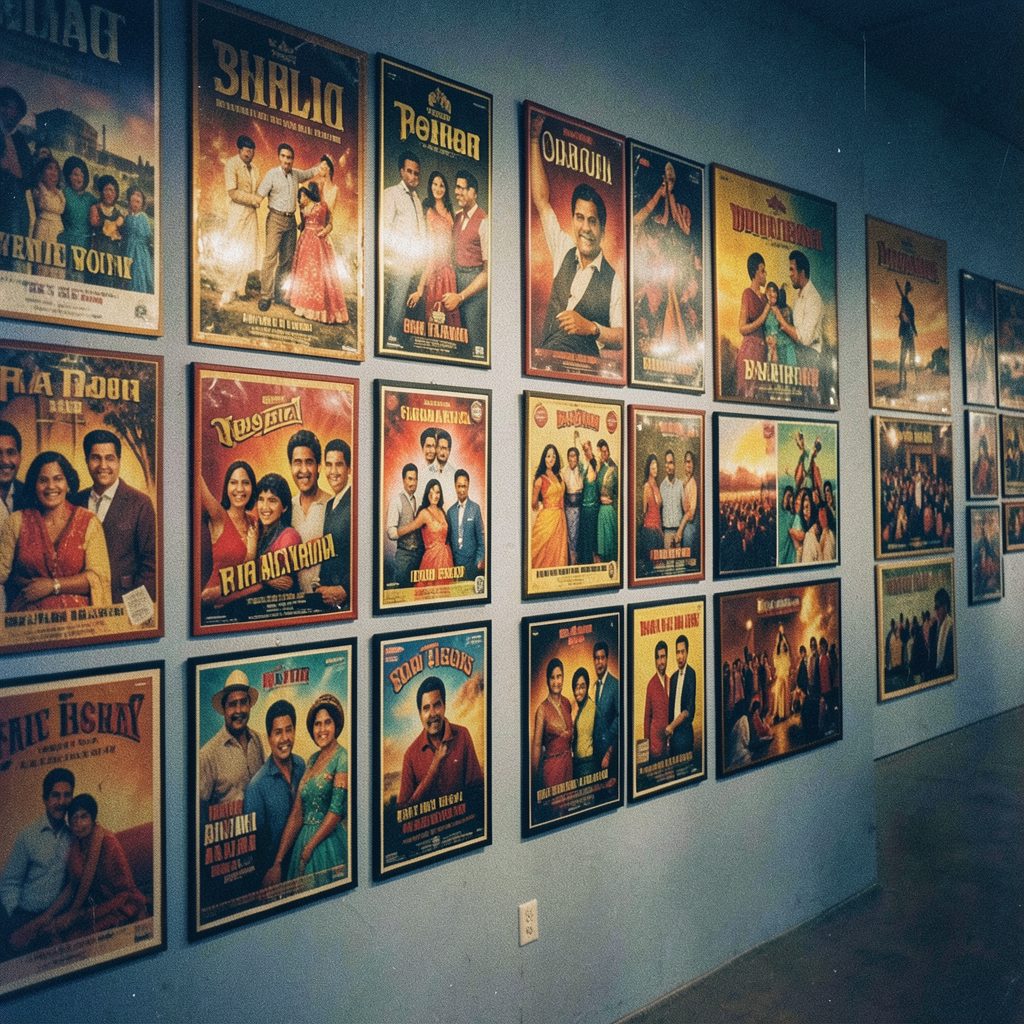
A Bollywood heroine entrance is rarely just a walk onto a set. Costume, lighting, choreography and a chosen melody announce a character’s status, mood and power before the audience hears a full line of dialogue. That first impression can turn a brief appearance into an enduring piece of screen memory.
The celebrated examples span fifty years of Hindi cinema, from Meena Kumari’s classical beauty to Madhuri Dixit’s playful physicality, Deepika Padukone’s stylised reinvention and Alia Bhatt’s street-level presence in Gully Boy. Their impact comes from matching performance to place, whether that is a billiards room, a village courtyard, a moving train or a modern city street.
These entrances reveal how star power has changed. Earlier heroines were often framed as icons of grace, duty or spectacle; later arrivals play women who resist being decorative, using silence, movement and attitude to claim the frame. Looking at Bollywood’s most iconic heroine entrances in films makes that evolution visible, one carefully composed arrival at a time.
Why a first appearance carries cinematic weight
An entrance compresses storytelling into a visual statement. The heroine may arrive as a stranger, prisoner, bride, performer or rebel, and the film immediately establishes her relationship to the world around her. A doorway can divide a family; a staircase can make a rival look powerful; a sudden close-up can replace exposition with mystery.
Music gives the movement tempo, while editing controls when we see the full body and when we see only an eye, hand or piece of jewellery. These choices remain influential on widescreen cinema and smaller streaming displays: a memorable arrival must read clearly without losing its atmosphere.
Grace, spectacle and the classic era
Madhubala’s young Sita in Mother India (1957) carries classical dignity. Her movement within the village setting makes her seem inseparable from the landscape. Mahal (1949) takes a different route: Madhubala’s presence in the old mansion brings fantasy, danger and sensuality into a gothic melodrama. Mystery depends as much on how a woman occupies a room as on what she says.
Nargis as Radha in Shree 420 (1955) demonstrates how an entrance could signal modernity without grand machinery. She arrives with relaxed confidence at the billiards table, her city clothes and direct gaze contrasting with the hero’s attempts at disguise. The scene feels spontaneous, yet its framing turns everyday cool into star presence.
Dance, transformation and the star persona
Hema Malini’s Basanti in Sholay (1975) arrives through dance and comic exaggeration. The rustic setting, lively movement and confident physicality make her instantly memorable, while the screenplay keeps that fun connected to class and gender. Her entrance announces vitality rather than stillness.
Devdas (2002) turns the same theatrical contrast into something richer. Aishwarya Rai’s modern Chandramukhi brings poise and controlled vulnerability, while Madhuri Dixit’s courtesan is introduced through the film’s celebrated swing sequence, suspended above the party in exuberant spectacle. Alia Bhatt’s Safeena in Gully Boy (2019) moves in the opposite direction: Mumbai’s crowded lanes and neighbourhood energy replace ornate surroundings, making realism part of the performance itself.
Modern arrivals and reinvented heroines
Deepika Padukone’s bullet-train arrival in Ram-Leela (2013) combines romantic yearning with restless energy. Moving trains, saturated colour and rapid physical movement make Leela’s introduction feel urgent and dangerous. Bajirao Mastani (2015) shifts toward controlled revelation: the mysterious woman appears within a richly designed court, where veils, silences and gestures create suspense.
Kajol as Noddy in Dilwale Dulhania Le Jayenge (1995) offers another kind of authority, though her entrance is softer and more spontaneous. Falling into the hero’s arms, she brings warmth and comic timing to a formal family conflict. Across these examples, the strongest entries establish a point of view. They show how the heroine wants to be seen, rather than simply displaying the actor’s beauty.
Watching Hindi cinema in Australia
For viewers in Australia, Hindi cinema has become part of ordinary entertainment rather than a specialist curiosity. Melbourne and Sydney host large South Asian communities, lively Diwali gatherings such as Melbourne’s Box Hill celebrations, and audiences who want a night out without travelling overseas. Weekend matinees and suburban cinema screenings give these films a place alongside mainstream English-language releases.
The local market is broad but changeable. Netflix, Amazon Prime Video and Disney+ Hotstar offer different Hindi-film catalogues, with availability shifting under licensing agreements and subscription bundles. Many people watch on a phone or television during an evening at home, after a work commute or while preparing food, so subtitles and clear sound design matter as much as scale. Australia’s screen classification framework is administered by the Australian Classification Board. Its ratings shape what cinemas advertise and which age controls local streaming platforms apply. An MA15+ or R18+ label can affect how a title is presented and accessed, making classification part of the everyday viewing experience.
Comparing the craft of memorable arrivals
The differences between these arrivals are more useful than a simple ranking. Some introduce a character through silhouette, others through comic disruption, and others through a clear statement of social power. Comparing films, settings and screen techniques shows why an entrance continues to circulate in clips and fan compilations long after its release.
| Film | Heroine entrance | Defining technique | What it communicates |
|---|---|---|---|
| Mother India (1957) | Madhubala as young Sita | Classical movement in a natural landscape | Dignity and belonging |
| Shree 420 (1955) | Nargis as Radha | Casual style and direct eye contact | Modern self-possession |
| Sholay (1975) | Hema Malini as Basanti | Dance and physical comedy | Energy and earthy confidence |
| Ram-Leela (2013) | Deepika Padukone as Leela | Colour, motion and a bullet train | Romantic urgency and rebellion |
| Gully Boy (2019) | Alia Bhatt as Safeena | Street realism and neighbourhood texture | Defiance shaped by environment |
The comparisons also expose a recurring tension: a character may hold power within the story, yet her entrance can still invite judgements about beauty, respectability and femininity. Viewers may admire the craft while questioning how it frames the woman. An iconic arrival can therefore be visually satisfying and open to debate.
Building a Bollywood heroine entrance watchlist
Viewing these scenes in sequence rewards the changes in performance, production design and gender expectations. A curated run can begin with the classical restraint of Mother India, move through Nargis’s easy modernity in Shree 420, and follow the more physical styles of Sholay, Devdas, Ram-Leela and Gully Boy. Each selection answers a different question about what an entrance should accomplish.
- Open with Mother India (1957): notice how setting and movement establish Madhubala’s poise before the story reaches its central conflict.
- Contrast Shree 420 (1955) with Mahal (1949): compare Nargis’s casual confidence with Madhubala’s mixture of glamour and menace.
- Make Sholay (1975) a dance-led stop: watch how Hema Malini turns Basanti’s introduction into comedy, energy and social commentary.
- Study both Chandramukhis in Devdas (2002): compare Aishwarya Rai’s inward poise with Madhuri Dixit’s airborne spectacle.
- Include Ram-Leela (2013) and Padmaavat (2018): examine how Deepika Padukone uses movement and royal imagery to shift between romantic rebel and formal ruler.
- End with Gully Boy (2019): see Alia Bhatt build a defiant presence from street texture, realism and sharply chosen gestures.
Finish by returning to Shree 420 for a final comparison with the first scene. Tonight, put on the film, skip to Radha’s billiards-table arrival, and write down the first shot that makes her confidence visible.