A guide to Bollywood's most iconic rain songs and their cinematography
Bollywood rain songs turn a shower into stagecraft. Water catches hard backlight, umbrellas become bright graphic shapes, and wet pavement doubles the lights around a dancer. The result combines pop melody, romantic fantasy and the visible energy of monsoon weather.
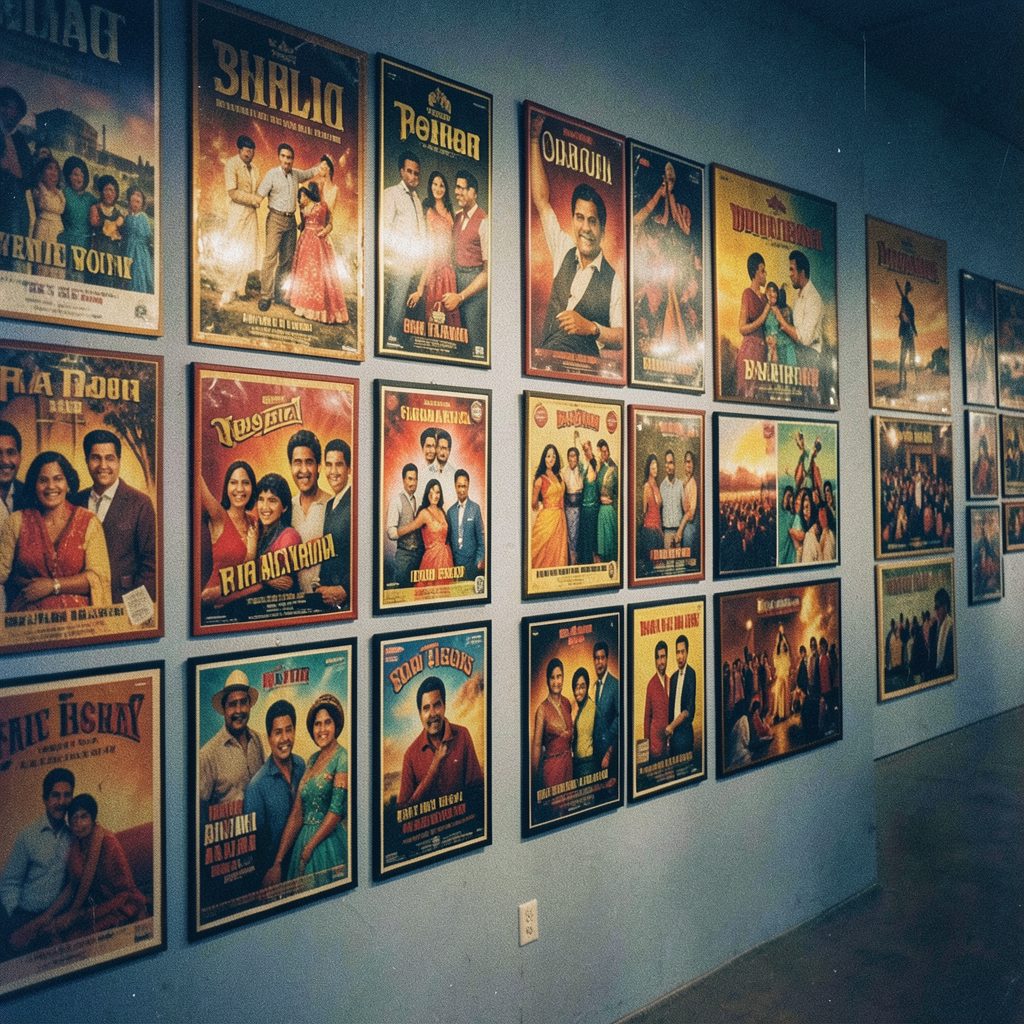
This guide follows landmark recordings and the decisions behind their images. Each number is treated as a compact film sequence, from its establishing shot to its final reflection. Songs such as “Tip Tip Tip,” “Rimjhim Rimjhim” and “Aaj Ki Raat” show how sound, choreography and lensing can make artificial rain emotionally convincing.
For Australian viewers, the subject has a local edge. Melbourne’s changeable afternoons can move from sunshine to drizzle within hours, leaving commuters reaching for compact umbrellas; Sydney’s summer storms and Brisbane’s humid downpours make soaked streets and reflected neon familiar. These cities lack Mumbai’s monsoon rhythm, but compressed rainfall still communicates urgency and release with unusual clarity.
Hindi cinema reaches Australia through streaming catalogues, specialist distributors, cultural programmes and occasional subtitled cinema events, so older sequences are easier to revisit. Under Australia’s federal Classification Act, home-video and television editions carry age classifications assigned by the Australian Classification Board. Easy access, local ratings and a distinct cultural context give these classics a second life beyond their original release.
Why the monsoon became a cinematic motif
Rain in Hindi cinema rarely behaves like ordinary weather. It marks desire, opens a private world and releases emotional pressure that dialogue cannot carry. The street becomes safer under shared cover, strangers become dancers and the body moves differently when every step sends water flying.
Song sequences inherited this language from musical theatre and melodrama, then enlarged it for colour film. Rooftops, courtyards, campuses and balconies became stages. Curtains, fountains and tiled floors kept performers visually active while directing attention to the shower rather than its production.
Each generation revised the motif. Earlier songs favoured an open romantic shower; later films used shadow, silhouette and restrained colour. The visual grammar remained familiar: establish the weather, isolate a performer, accelerate the group movement and end on a saturated wet surface.
Iconic tracks and their defining images
“Tip Tip Tip” from Sangeet (1992) remains an exuberant standard, pairing Neetu Singh’s movement with fountains, soaked costumes and emphatic close-ups. Its appeal lies in frontal energy and glittering colour. “Chand Sifarish” from Jo Jeeta Wohi Sikandar (1992) places campus romance in a shower, using mobile camerawork to keep youthful choreography buoyant.
“Rimjhim Rimjhim” from Barsaat (1995) shifts toward a gentler, dreamlike register. Soft light and a diffuse, rain-filled frame let the romantic leads and young ensemble share one space. The child-inclusive sequence feels communal rather than solitary, and the repeated title phrase works as a rhythmic hook with a nursery-song bounce.
“Aaj Ki Raat” from Stumped (2001) is darker and more intimate, using a reporter’s rain-soaked encounter to create sensuality through silhouette and selective lighting. “Taal Pe Taal” from Taal (1999) builds a brightly coloured ensemble spectacle. “Aati Kya Khandala” from Karan Arjun (1999) adds restless movement and a theatrical sense of pursuit.
How filmmakers make falling water visible
Photographers expose for the performers, so falling drops can nearly disappear. Cinematographers therefore place strong lamps behind or beside them, creating bright edges on hair and shoulders. A controlled rim light separates a face from a dark garden or night street, while softer frontal fill protects expression and costume detail.
Reflections supply a second layer. A puddle can hold a dancer’s full body while the camera stays low; glass doors and polished floors multiply the action. Overhead views turn umbrellas into moving patterns, while long lenses compress crowds into a shimmering wall of water and faces.
Camera movement follows the song’s rhythm. Tracking shots accompany travelling steps, pans connect chorus groups and close-ups arrive on lyric changes. Slow motion isolates a splash, hair or fabric movement, while cuts to bare feet, hands and wet surfaces create tactile punctuation. Editing makes rainfall feel denser even when the location stays unchanged.
Performance, costume and choreography
Rain transforms familiar choreography. Splashing limits footwork, so performers use sweeping arms, tilted shoulders and sudden turns to keep the body readable. Saturated saris, bright shirts and translucent scarves hold colour differently once wet, while umbrellas shift from shelter into props that punctuate duets and group formations.
Rain can even behave like a supporting character, giving the lead an obstacle, a partner and a source of visual change. The same principle appears in a sidekick’s solo identity: a secondary element gains force when it has a recognisable look and function of its own.
The strongest sequences treat water as part of the performance, not decoration added later. Wet skin catches light, fabric clings and every pause exposes the actor’s expression. That physical transparency has helped these recordings travel on small screens, where large gestures, colour contrast and readable silhouettes survive modest equipment.
Songs, scenes and spectacle at a glance
Two checklists make the visual differences easier to recognise while watching.
Songs built around a memorable rain premise
- “Tip Tip Tip” turns a fountain into a dance floor.
- “Rimjhim Rimjhim” softens the shower with playful ensemble work.
- “Aaj Ki Raat” uses rain for intimacy and visual tension.
- “Taal Pe Taal” treats rainfall as a full-scale stage.
The filmmaking choices beneath those premises are equally distinctive:
- Backlighting separates droplets and performers from dark backgrounds.
- Low angles and reflections enlarge movement across wet surfaces.
- Tracking and panning match the rhythm of group choreography.
- Costume colour becomes brighter when saturated by moisture.
Placed side by side, the sequences reveal their separate identities:
| Song | Film | Rain staging | Visual centre |
|---|---|---|---|
| “Tip Tip Tip” | Sangeet (1992) | Fountain and open shower | Bright, frontal exuberance |
| “Chand Sifarish” | Jo Jeeta Wohi Sikandar (1992) | Campus downpour | Mobile, youthful movement |
| “Rimjhim Rimjhim” | Barsaat (1995) | Soft rain around an ensemble | Diffuse light and shared space |
| “Taal Pe Taal” | Taal (1999) | Concert-style downpour | Saturated group spectacle |
| “Aaj Ki Raat” | Stumped (2001) | Isolated rain-soaked encounter | Silhouette and controlled close-ups |
None depends on rainfall alone. The stronger choice is the one that fits the character, song and location: playful for youthful ensemble pieces, shadowy for intimacy, and expansive when the film wants spectacle. The surrounding set and transitions often explain the effect more clearly than the rain itself.
Watching the monsoon classics in Australia
Streaming remains the most flexible route, with subtitles preserving wordplay and lyric timing. Specialist Indian-film retailers and cultural festivals can also place a classic on a cinema screen, where choreography, fabric movement and rain sound feel more immediate. Availability changes, but these films circulate through Australia’s established distribution networks.
For a home screening, picture and soundtrack deserve equal attention. The opening wide shot establishes the set; close-ups reveal how droplets are lit; wider views show how choreography occupies architecture. Sydney’s harbour reflections, Melbourne’s neon laneways and Brisbane’s garden paths offer local substitutes for imagining Mumbai’s rain-polished streets, even when the original location remains distinctly Indian.
Classification marks also guide a shared watch: an M or MA15+ edition carries warnings for adult themes, strong language or violence. The practical takeaway is to check the Australian rating first, enable subtitles and watch the opening wide shot before focusing on close-ups; those choices reveal both the content and the sequence’s visual design.