Why Bollywood’s Superhero Universe Is Taking Its Time
Why Bollywood's superhero universe is slow to emerge compared to Hollywood comes down to more than budgets or special effects. The two industries built their comic-book traditions on different foundations: Hollywood developed a long-running publishing culture, studio franchises and shared characters, while Hindi cinema has usually relied on stars, standalone stories and familiar mythological figures.
That difference matters in Australia, where Bollywood audiences can be spread between Sydney, Melbourne, Brisbane and Perth rather than concentrated around one studio system. A Hindi superhero film must compete with Hollywood blockbusters at Event Cinemas and Hoyts, while also persuading families and younger fans to choose a local-language release during a crowded school-holiday calendar.
Bollywood Built Around Stars, Not Shared Characters
Hollywood’s modern superhero machine grew from decades of comic-book readership. Characters such as Batman, Spider-Man and the Avengers arrived with established personalities, rivalries, visual symbols and fan communities. When studios began connecting these properties, audiences already understood the foundations.
Hindi cinema has historically placed its faith in the leading man. A Shah Rukh Khan, Hrithik Roshan or Salman Khan vehicle can open through star power, music, romance and spectacle without needing a larger fictional universe. That approach offers immediate recognition, but it makes continuity harder. If a hero is strongly identified with one actor, recasting or expanding the role becomes commercially risky.
This has produced memorable attempts rather than a stable superhero ecosystem. Krrish created a recognisable Hindi superhero identity, while Ra.One explored a glossy digital fantasy with an international marketing push. Both films demonstrated ambition, yet neither generated the regular sequel rhythm or interconnected storytelling that Marvel and DC eventually normalised.
The Economics Of Indian Spectacle
A superhero franchise requires several expensive commitments at once: character design, digital environments, stunt work, post-production, international promotion and future story planning. Hollywood studios can spread those costs across global theatrical markets, streaming deals, merchandise and licensing. Indian producers often face a more uneven financial equation.
Hindi films can travel successfully, but overseas performance varies widely by territory and release. A major production may perform strongly in India and among diaspora audiences while still needing to recover a large visual-effects budget. Australia is useful but limited in scale: packed sessions in Melbourne’s western suburbs or Sydney’s Harris Park can create strong local buzz, but the market cannot carry a Hollywood-sized franchise investment by itself.
There is also a release-timing problem. A superhero film needs premium screens and a long promotional runway, yet it may be competing with an English-language Marvel, DC or animated studio release. In Australia, school holidays, public holidays and cricket fixtures can influence family attendance. A film that misses the right weekend can lose valuable screens before word of mouth develops.
Mythology Offers Richer, Harder Material
Bollywood has access to an extraordinary reservoir of gods, epics, folk heroes and magical traditions. That gives Indian superhero storytelling a distinctive identity, but adapting these influences requires cultural care. A modern flying hero can borrow from mythology without becoming a literal divine figure, while a darker comic-book treatment may alienate viewers who expect reverence.
Hollywood generally works with fictional intellectual property that can be redesigned freely. Indian filmmakers often have to balance regional interpretations, religious sentiment and the expectations of several language markets. The creative task is therefore larger than adding a cape or a computer-generated villain.
The strongest future projects may emerge from this tension. Rather than copying the Marvel formula, Hindi cinema could build heroes around Indian science fiction, folklore, urban legends and social realities. A superhero in Mumbai, Delhi or Bengaluru should feel shaped by traffic, inequality, technology and family obligations, not simply placed inside an imported visual template.
The Franchise Problem Starts With Trust
Audiences invest in a universe when they believe the next film will reward their attention. That requires consistent writing, dependable release schedules and enough quality control to make a new character feel worth following. Bollywood’s franchise history is mixed, with sequels sometimes arriving years later or changing tone, cast and creative direction.
Star-led filmmaking can also make a universe feel temporary. When the actor’s image dominates the character, the story may serve the celebrity rather than the mythology. This is especially important for younger viewers, who are comfortable following fictional heroes across games, animation, streaming series and merchandise.
What helps establish that trust?
- A clear hero identity that can survive more than one film
- Writers who plan character arcs across several releases
- Consistent visual effects standards from project to project
- Directors willing to build tone before chasing scale
- Release dates that protect the franchise from overcrowded weekends
Bollywood also needs to decide how much connectivity audiences actually want. A shared universe can create excitement, but forced cameos and vague post-credit promises do not replace a satisfying central story. The first responsibility of a superhero film is still to work as a film.
Streaming Is Changing The Route To A Universe
Streaming platforms have made speculative genres less dependent on opening-weekend revenue. A series can introduce a hero gradually, test audience interest and expand the world through shorter episodes. This format may suit Indian superhero concepts that need more space for origin stories, family relationships and regional world-building.
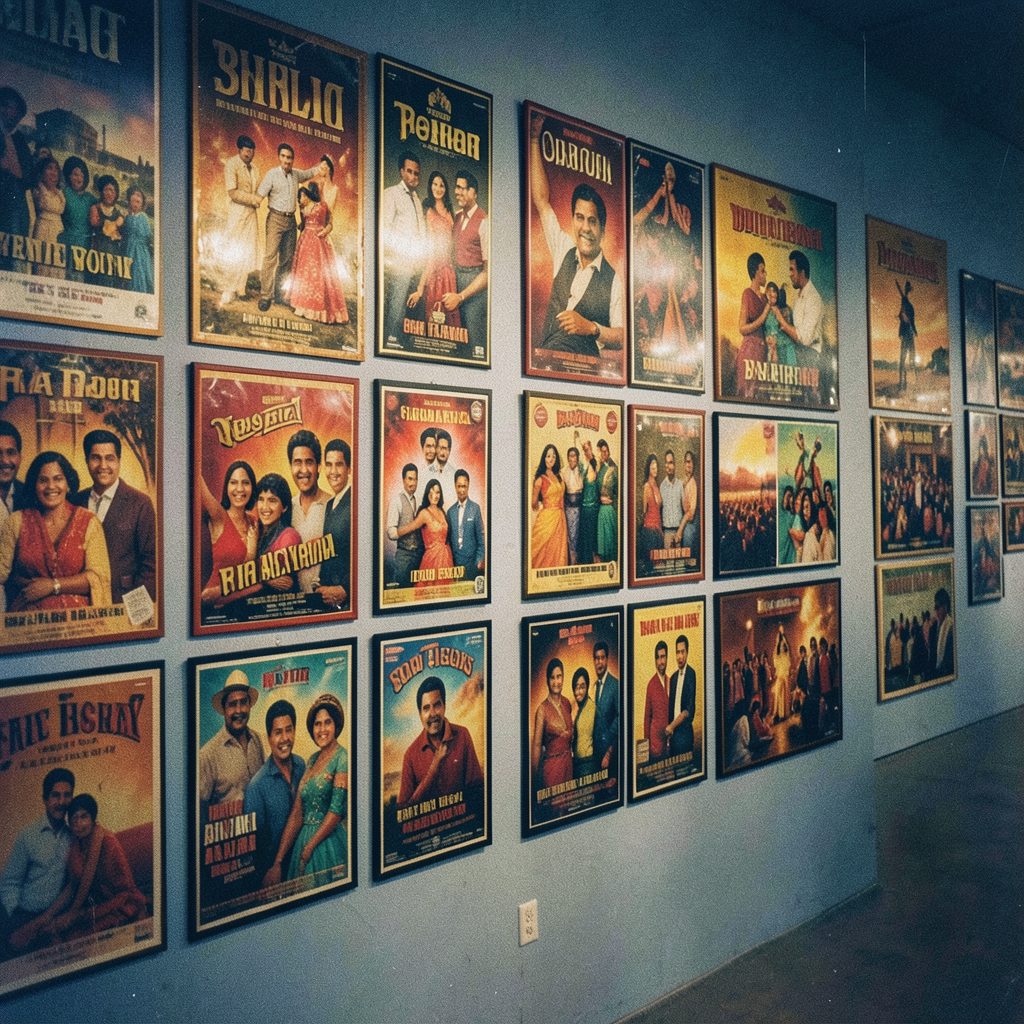
At the same time, streaming can reduce the sense of an event. A theatrical superhero film benefits from fan costumes, poster displays, packed evening shows and social-media conversation. In Australia, a release can become a community outing for diaspora families, particularly around Sydney’s western suburbs or Melbourne’s northern and south-eastern areas. A direct-to-streaming launch may reach more homes but create less shared excitement.
For viewers tracking new releases, reviews can help separate genuine world-building from expensive surface spectacle. Coverage of Bollywood film reviews is especially useful when assessing whether a film has a compelling hero, coherent visual language and enough emotional weight to support future instalments.
What A Distinctive Hindi Superhero Future Could Look Like
The path forward is unlikely to be a single giant universe announced all at once. A more sustainable model would begin with individual films that establish strong characters, then allow connections to develop when audiences have shown genuine interest. This reduces financial exposure and gives filmmakers room to learn from each release.
A successful Hindi superhero franchise may also need a broader creative team. Writers from genre fiction, animation, gaming and regional cinema could contribute ideas that do not depend entirely on the familiar male superstar model. Female heroes, ensemble teams and morally complicated protagonists would widen the audience and give the universe more than one commercial route.
The ingredients for a distinctive Indian comic-book tradition are already present:
- Supernatural stories rooted in Indian folklore and local legends
- Science-fiction heroes shaped by fast-changing cities
- Villains driven by social, ecological or technological anxieties
- Music and movement used as part of the world rather than decoration
- Characters who can move between Hindi, regional cinema and animation
Australian viewers are well placed to notice whether these films develop their own voice. Audiences here are accustomed to switching between Hollywood franchises, anime, Indian cinema and local productions, and they tend to reward films that offer a clear reason to exist. A Hindi superhero film does not need to imitate a Los Angeles studio formula to travel well; it needs memorable characters, credible stakes and a world that feels unmistakably its own.
Bollywood’s superhero universe is emerging slowly because the industry is still working out the balance between star power, cultural identity, production risk and long-term planning. That slower process may ultimately be useful. If filmmakers build one convincing hero at a time, invest in story as carefully as spectacle and treat Australian and other overseas audiences as part of the conversation, the eventual universe will have a stronger foundation than a rushed collection of crossovers. პრაქტactical takeaway: look for character-led films with a clear Indian point of view, because those are the projects most likely to turn isolated superhero experiments into a durable franchise.