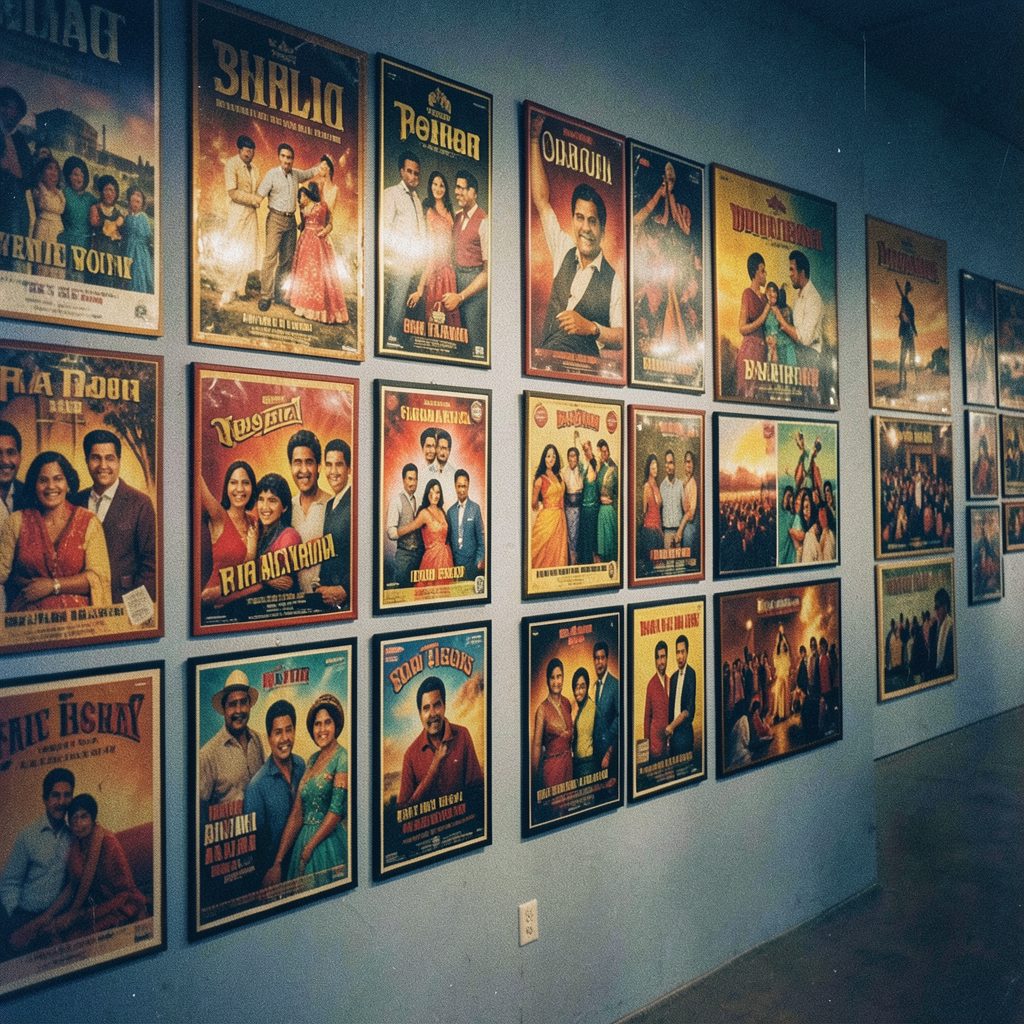

Why Bollywood's Rom-Coms Are Suddenly Set in Tier-2 Cities
For decades, the Mumbai skyline, the Marine Drive breeze, and the polished apartments of Bandra served as the default backdrop for Hindi love stories. The hero met the heroine at a coffee shop in Andheri, they fell in love at a five-star in Worli, and the wedding happened in a South Mumbai banquet hall. That template is now being quietly rewritten. Filmmakers are packing their units into Indore, Lucknow, Jaipur, Nagpur, and Coimbatore, and the shift is reshaping the genre's vocabulary, humour, and heart.
A growing share of the audience that buys tickets in Australia, from Melbourne to Perth, is noticing the change. When Indian diaspora fans stream a new romantic comedy on a long flight from Sydney to Delhi, or catch a screening at the Indian Film Festival of Melbourne, the settings look different. The airports are smaller, the mohallas are louder, and the chai stalls have regional accents. The stories feel closer to the lives that many second-generation Australians still hear about at home.
Money Talks: The Tier-2 Middle Class
The simplest explanation is also the most powerful: smaller cities have money now. Tier-2 India has seen a steady climb in disposable income, and a young professional in Lucknow or Surat has the same appetite for cinema as someone in a Mumbai suburb. Production houses have noticed the maths. A film that earns only 60% of its budget in the metros can comfortably double its money once Bhopal, Nagpur, Patna, and Jaipur are added to the release plan.
This is not just about ticket sales. Branded integrations, music streaming royalties, and satellite rights all price in regional reach. When a rom-com is set in Bhopal and dialogues use a familiar local flavour, the marketing team can sell it as a pan-India product instead of a metro-only release. The result is a more confident commercial bet.
The Budget Reality Behind the Move
Filming a chase sequence in South Mumbai can cost a fortune in permissions, parking, and crowd management. Tier-2 cities offer cheaper locations, friendlier municipal bodies, and a visible appetite from the local population to participate in shoots. Studios can build a full college campus set in Nagpur for the price of a single day's shoot in Bandra.
The savings show up on screen too. With smaller overheads, producers can afford newer faces, regional music directors, and a longer shooting schedule. That breathing room is exactly what a romantic comedy needs. Comedies depend on rhythm, retakes, and improvisational humour, all of which become easier when the unit is not rushing through a paid location.
Local Flavours and Vernacular Humour
A rom-com works when the audience recognises the world. Tier-2 India is finally seeing itself on the big screen, and writers are mining that recognition. Conversations between lovers now mix Hindi with Bundelkhandi, Bhojpuri, or Marwari. Parents are shown as small-town schoolteachers and government doctors, not as industrialists in sea-facing flats.
This matters even to viewers far from India. In places like Harris Park in Sydney or the suburbs around Parramatta, families gather around the television on weekends, and the cultural texture of a film set in Kanpur or Indore lands differently. Audiences in Australia, often separated by a generation from those cities, get a small bridge back to a home they may only visit every few years.
Streaming Has Redrawn the Map
The arrival of platforms like Netflix, Amazon Prime Video, and JioCinema has flattened the geography of Bollywood viewership. A subscriber in Brisbane, watching a rom-com on a Friday night, has no idea whether the song sequence was shot in a Tier-1 studio or a Tier-2 lane. The product is the same on a smart TV in Adelaide or a laptop in Canberra, and the platforms chase stories that feel fresh rather than familiar.
This digital push has encouraged writers to step away from the tried-and-tested Mumbai formula. Small-town stories test well in focus groups, and the data reinforces what the trade papers used to dismiss. Producers who once worried that a Tier-2 setting would limit a film's appeal now see streaming as a built-in international market, with Australia contributing a meaningful share of the subscriber base.
Box Office Strategy Beyond the Metros
Distributors have rewired their release plans. The opening weekend is no longer judged by PVR Juhu or INOX Phoenix alone. A new rom-com is now carefully mapped against single screens and multiplexes in tier-2 centres, and the numbers from places like Indore, Aurangabad, and Lucknow often decide a film's fate.
For Australia, this changes the kind of films that cross the Tasman or land on the schedule of cinemas screening Hindi films. When a movie is built with a tier-2 spine, the marketing push in Melbourne's Highpoint or Sydney's Parramatta events calendar looks different. Posters use the regional flavour, trailers lean into vernacular jokes, and the festival run at IFFM may even give these films a second life in the diaspora circuit.
How Australian Fans Experience the Shift
Australian viewers are not just passive watchers of this transition. The country has a robust Indian film calendar, and the appetite for new releases is strong. Pop-up screenings in community halls across Melbourne's western suburbs, late-night premieres at Event Cinemas in the CBD, and the bustling chat groups on WhatsApp for South Asian families in Brisbane all shape which films get talked about at Sunday lunches.
The change in Bollywood storytelling also feeds into the everyday conversations of the diaspora. A first-generation migrant in Adelaide can swap stories about Indore with a relative visiting from Punjab, and both of them can find a frame of reference in a new rom-com. The films have become a shared language for families straddling two continents.
The Future of Small-Town Rom-Coms
There is no return to a Mumbai-only rom-com universe. The economics, the streaming data, and the audience appetite all point to smaller cities becoming permanent fixtures in the genre. What may change is the variety within them, as writers dig deeper into tier-3 towns, real-estate booms in places like Lucknow, and the young working women driving the next wave of audience.
The rom-com is, in many ways, a mirror of where India is going. As smaller cities grow, so does their presence on screen, and the love stories that play out in them are quietly rewriting the country's most loved film tradition.
| Aspect | Tier-1 City Rom-Com | Tier-2 City Rom-Com |
|---|---|---|
| Typical Setting | South Mumbai apartments, Bandra cafés, five-star hotels | Indore mohallas, Lucknow lanes, Jaipur colleges |
| Average Production Cost | High, with paid locations and heavy crew | Lower, with local permissions and leaner units |
| Primary Audience | Urban Indian professionals, metro multiplexes | Younger, middle-class regional viewers, plus pan-India streaming |
| Humour and Dialogue | Polished Hindi, English phrases, cosmopolitan tone | Vernacular mix, regional slang, family-driven jokes |
| Star Power | A-list, big banner launches | Mix of newcomers and mid-tier leads |
| Australia Reach | Theatre premieres in Sydney, Melbourne, festival circuit | Streaming-first, diaspora-focused releases |
| Marketing Hook | Lifestyle, fashion, aspirational couples | Authenticity, rootedness, family emotions |
What stays in the mind long after the credits roll is a simple truth: Bollywood's romantic comedies are no longer a story of one India. They are slowly becoming a love letter to many Indias, and the next chapter is being written in the small towns that finally have a voice, a screen, and an audience willing to laugh along.