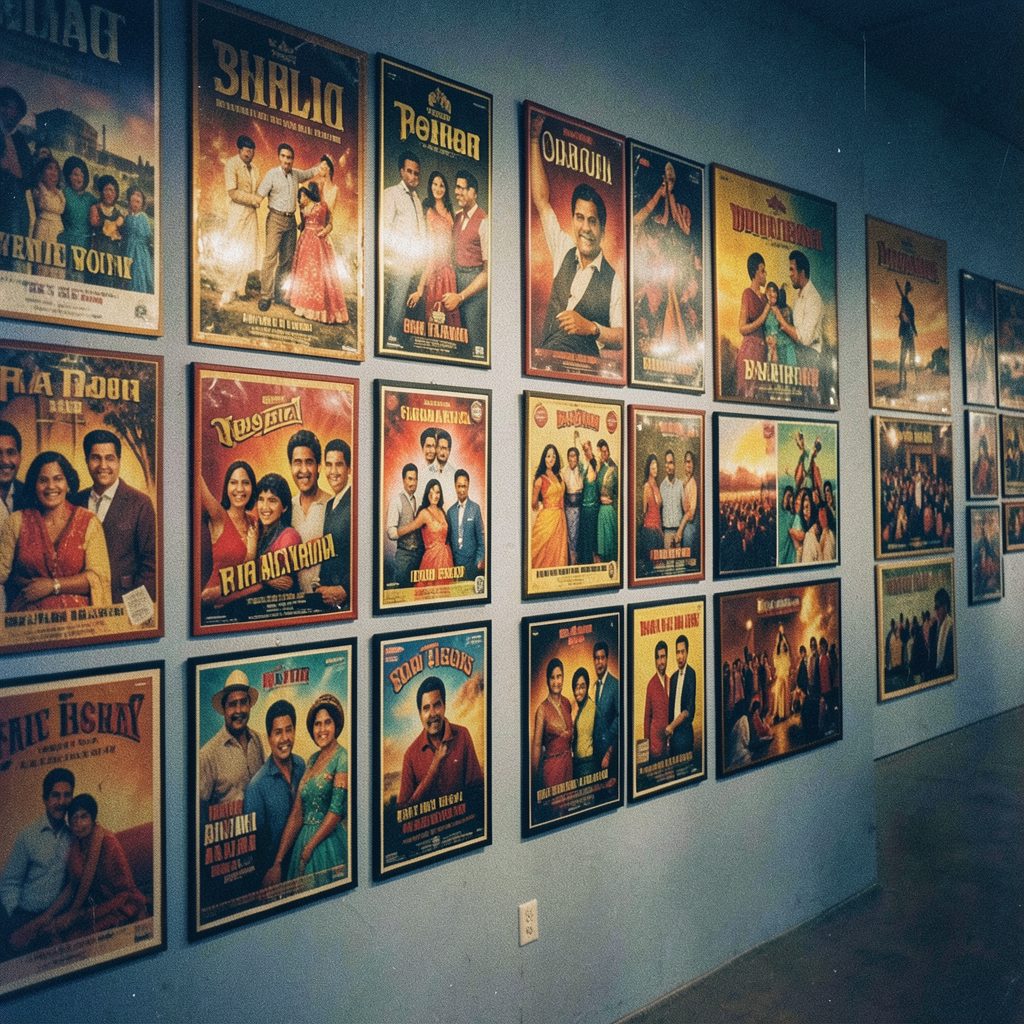

Why Bollywood Is Turning To Untold Historical Stories
Bollywood’s fascination with the past is moving beyond emperors, freedom fighters and famous royal romances. A new wave of period films is exploring borderland communities, overlooked rulers, local rebellions, artistic movements and private lives that rarely appear in mainstream history books. These stories offer filmmakers a richer dramatic space without forcing them to retell familiar legends.
The shift also reflects changing audience habits. Viewers in India and overseas increasingly expect historical cinema to offer discovery as well as spectacle. For audiences in Australia, where Hindi films reach cinemas in Sydney, Melbourne, Brisbane and Perth alongside global streaming platforms, a lesser-known story can feel especially inviting: it provides cultural context while still delivering music, costume and emotional drama.
Familiar History Has Become A Creative Constraint
Films about celebrated figures arrive with built-in recognition, but that advantage creates pressure. Audiences may already know the major events, the personalities involved and even the most popular versions of their stories. Filmmakers then have limited room to surprise viewers, particularly when a production is judged against earlier blockbusters.
A relatively obscure episode gives writers greater freedom. They can build a narrative around a forgotten alliance, a disputed succession or an individual whose contribution was minimised by official records. The result can feel fresh while remaining rooted in real events. Historical cinema becomes an act of investigation rather than a simple recreation of textbook material.
This approach also helps avoid direct competition with iconic films. A production about a minor kingdom or an overlooked social movement does not have to imitate the visual language of a famous Mughal or Maratha epic. It can establish its own tone, whether intimate, political, romantic or sharply regional.
Regional Memory Is Moving To The Centre
India’s history is made up of many local histories, yet popular cinema has often favoured a limited group of dynasties and national milestones. Period dramas are now drawing from regional archives, oral traditions, folk theatre and family memories. These sources can reveal conflicts and achievements that never gained broad attention outside their home areas.
Such films can also broaden the meaning of heroism. A central character may be a craftsperson, translator, courtesan, healer, trader, messenger or community organiser rather than a warrior king. Their influence may have operated through culture, diplomacy or resistance, creating a different kind of cinematic tension.
For Australian viewers, this regional focus can make a release feel like a cultural journey. A film screened during the Diwali season at a cinema in Melbourne or Sydney may introduce audiences to the history of a particular language community, while subtitles make its local details accessible to viewers beyond the Indian diaspora.
Audiences Want Discovery With Spectacle
A period film still needs strong visual appeal. Elaborate sets, jewellery, weapons, dance traditions and reconstructed cityscapes remain central to Bollywood’s attraction. The difference is that spectacle is increasingly being used to reveal unfamiliar worlds instead of decorating a predictable story.
This balance matters in the Australian market, where Hindi releases compete with Hollywood films, Korean cinema and major streaming launches. A lesser-known historical setting can become a clear point of difference. Marketing can present the film as an event while promising viewers something they have not already encountered through school lessons, television serials or previous blockbusters.
Trailers also play a larger role in shaping curiosity. A few striking images—a vanished port, a women-led militia, an unusual court ritual—can prompt audiences to search for the real history. Entertainment coverage, music videos and posters then extend that interest before release, turning historical research into part of the promotional conversation.
The Industry Is Looking Beyond Royalty
Royal courts remain visually attractive, but productions centred entirely on palaces can become expensive and repetitive. Lesser-known events allow studios to vary their scale. Some stories can support grand battle scenes, while others work better as contained dramas set in a trading town, a colonial office or a divided household.
This flexibility can be valuable when budgets are under pressure. Filmmakers may spend on carefully designed costumes and locations rather than attempting to recreate an entire empire. A more focused production can also give actors room to develop layered performances, particularly when the central figure is not already fixed in the public imagination.
Historical research creates opportunities for supporting characters as well. A messenger may hold information that changes a treaty; a musician may preserve a banned tradition; a widow may control the finances of a politically important household. These roles can drive the plot while giving audiences a more textured view of the period.
What Helps An Obscure Story Connect
The strongest projects usually combine research with accessible emotional stakes. They may focus on:
- A personal conflict inside a larger political crisis
- A community defending language, land or artistic tradition
- A relationship tested by changing power structures
- A mystery involving missing records or contested memory
Their marketing also benefits from clear positioning. Promotional campaigns can highlight:
- The historical question behind the story
- A recognisable performer in an unexpected role
- A distinctive musical or visual identity
- The real location, archive or tradition that inspired the film
Research And Responsibility Matter More
When a film depicts a famous ruler, viewers often arrive with established expectations. When it covers a lesser-known episode, the movie may become the primary version of that history for many people. That gives filmmakers influence, but it also increases the need for careful research and transparent storytelling.
Period dramas regularly compress timelines, combine characters and invent dialogue. Those choices are part of cinema, yet problems arise when fiction is presented as settled fact. Sensational claims can distort the memory of minority communities or turn a complicated conflict into a simple battle between heroes and villains.
Consultants, historians and local artists can help productions avoid surface-level detail. Their contribution may shape language, architecture, rituals and social context. The same care should extend to publicity, which can explain where the film takes creative liberties instead of treating every dramatic moment as documentary truth.
The tone of a campaign matters too. Alongside serious historical discussion, audiences encounter light entertainment and celebrity content, including comic screen moments, but a period drama should make its factual basis clear. That distinction allows viewers to enjoy the performance while thinking critically about the past.
How The Trend May Develop
The movement towards overlooked history is likely to continue because it serves several needs at once. It refreshes the period genre, creates opportunities for new stars and allows regional cultures to occupy a larger place in mainstream entertainment. It can also encourage younger viewers to investigate archives, family stories and local museums.
Streaming platforms may accelerate this process. A theatrical release can provide scale and publicity, while later availability online can reach niche audiences across Australia, including viewers outside the major capitals. Subtitles, dubbed versions and carefully timed releases make it easier for films rooted in one region to travel internationally.
The commercial test will remain important. Audiences may welcome unfamiliar settings, but they still expect compelling songs, credible performances and a satisfying narrative. The following comparison shows why different kinds of historical subjects offer different advantages:
| Historical subject | Main cinematic strength | Likely challenge | Audience appeal |
|---|---|---|---|
| Famous monarch | Immediate recognition and scale | Familiar plot expectations | Grand spectacle |
| Forgotten regional ruler | Fresh political world | Limited public awareness | Discovery and pride |
| Social reformer | Strong ideas and personal conflict | Less action-driven | Contemporary relevance |
| Community uprising | Collective heroism and tension | Complex historical context | Emotional intensity |
| Artist or cultural figure | Music, design and intimate drama | Smaller conventional stakes | Human connection |
For audiences in Australia, the trend may be especially meaningful as the local Hindi-film market becomes more varied. Screenings at Palace Cinemas, HOYTS and independent venues can support both major releases and specialised titles, while Indian-Australian families may connect a film’s regional history with stories preserved at home. The practical takeaway is simple: the next successful Bollywood period drama may win attention by making an overlooked chapter feel personal, visually distinctive and responsibly told.