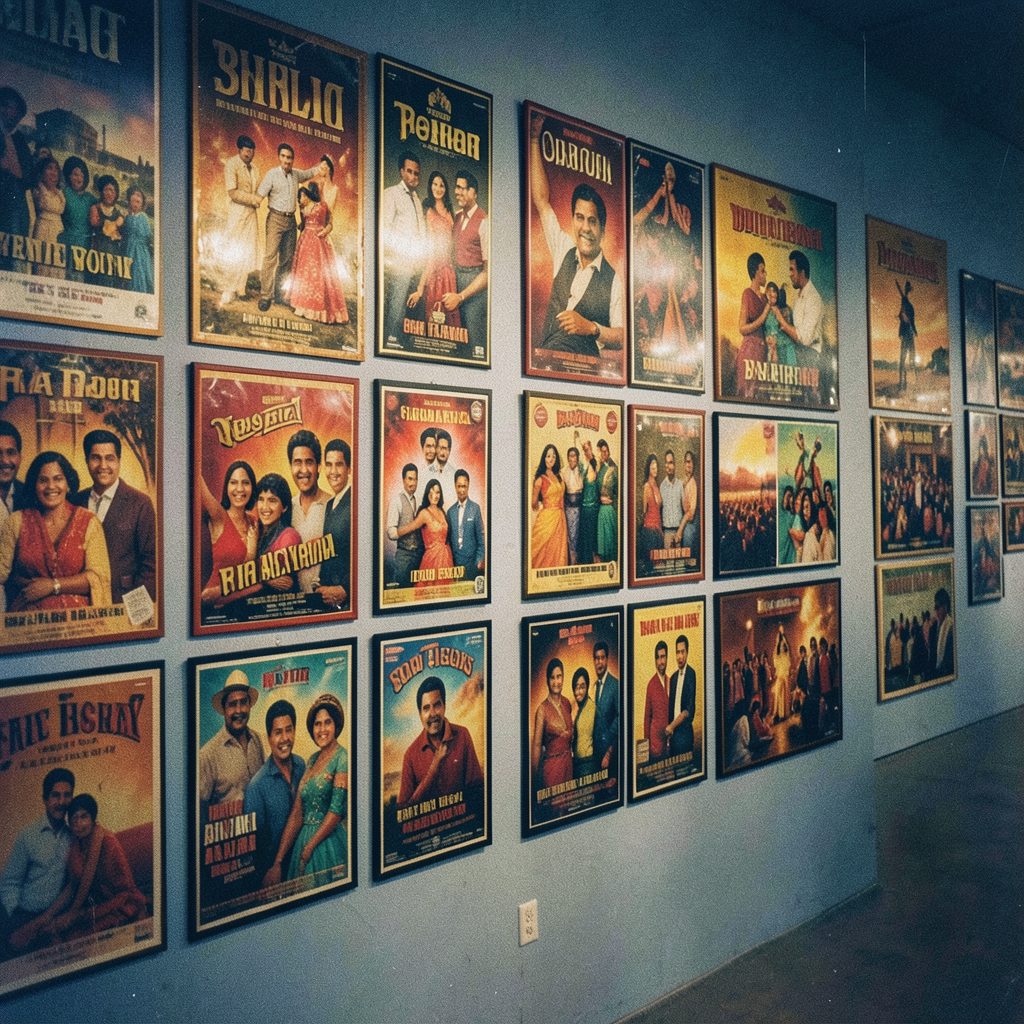

How Pan-India Bollywood Films Cross Language Barriers
Bollywood is no longer relying on Hindi-speaking audiences to determine a film’s commercial fate. Big releases are increasingly designed for viewers across India, with dubbed versions, regional stars, simultaneous releases and marketing campaigns that move beyond Mumbai. This shift has turned language diversity from a distribution obstacle into a commercial opportunity.
The change is visible in the success of films such as Jawan, Pathaan and Brahmāstra, as well as in the influence of Telugu, Tamil, Kannada and Malayalam productions. Baahubali, KGF, RRR, Pushpa and Kantara showed that a film made in one language could become a national event when its world, action and emotional stakes connected with audiences elsewhere.
For Australian viewers, the trend is especially easy to observe. Hindi films often screen in Sydney, Melbourne, Brisbane, Perth and Adelaide, while Indian communities in suburbs such as Parramatta, Harris Park, Dandenong and Clayton support both Bollywood and South Indian cinema. Streaming services have widened that access, allowing audiences to move between languages with subtitles, dubbing and familiar genre conventions.
| Traditional Hindi Release | Pan-India Release Strategy |
|---|---|
| Primarily marketed to Hindi-speaking regions | Promoted across multiple language markets |
| Hindi version leads the campaign | Dubbing and subtitles launch close to the original |
| Mumbai stars carry most of the appeal | Regional actors and filmmakers share the spotlight |
| Distribution depends heavily on urban Hindi markets | Screens are targeted across major cities and smaller centres |
| Music and publicity remain language-specific | Songs, memes and fan campaigns cross linguistic borders |
The Audience Has Become Multilingual
India’s cinema audience has always been linguistically diverse, but digital platforms have made that diversity more visible. A viewer who discovers a Telugu action film through a streaming recommendation may later watch a Hindi thriller, a Malayalam drama or a Tamil comedy without treating language as a barrier.
Younger audiences are particularly comfortable switching between subtitles and dubbed audio. Many already consume Korean dramas, Spanish series and Japanese animation in Australia, so watching a film in Telugu or Tamil requires little adjustment. The habit has also changed expectations: viewers now judge a film by its storytelling and production value before deciding whether the original language matters.
This broader audience has encouraged Hindi studios to think nationally from the earliest stage. A film’s title, trailer, poster design and release date are increasingly planned for several markets rather than a single language belt.
Dubbing Makes Theatrical Access Easier
High-quality dubbing is one of the most important reasons films travel. A strong dubbed track preserves the humour, urgency and personality of the original performance, while poor dubbing can flatten character relationships and weaken dramatic scenes. Studios have therefore become more careful about voice casting, dialogue adaptation and regional promotion.
Subtitles remain essential for audiences who want the original performances. In Australia, cinemas such as HOYTS, Event Cinemas and Reading Cinemas regularly attract Indian film audiences when a release receives suitable sessions. A film may be shown in Hindi with English subtitles, or in several dubbed versions depending on local demand and the available screen network.
Theatrical access is also shaped by classification. Films released in Australian cinemas are assessed through the National Classification Scheme, with ratings that help families and cinemas decide which audiences are appropriate. That system is a practical part of international film distribution, especially for action films containing violence or mature themes.
Spectacle Gives Stories A Common Language
Large-scale action, family emotion, romance, revenge and humour can cross linguistic borders quickly. A dramatic conflict is easier to market nationally when the trailer communicates its stakes through images, music and performance rather than lengthy dialogue. This is why elaborate worlds and recognisable genre structures have become central to pan-India releases.
RRR demonstrated how movement, friendship and patriotic spectacle could create a shared experience even for viewers unfamiliar with Telugu cinema. Pushpa turned a distinctive central character into a national pop-culture presence, while Kantara made regional mythology and landscape part of its wider appeal.
The formula is not limited to action. Horror, sports dramas, historical stories and family entertainers can also travel when the emotional premise is clear. A local setting becomes an advantage when it gives the film a memorable identity rather than making it feel inaccessible.
Stars And Creators Build Cross-Regional Trust
Pan-India films often combine talent from different industries. A Hindi actor may work with a Telugu director, a Tamil composer may score a multilingual production, or a Kannada performer may become familiar to audiences far beyond Karnataka. Each collaboration brings an existing fan base and gives marketing teams several entry points.
This shared visibility has changed the idea of stardom. Actors are no longer judged only by the language of their previous hits. Their screen presence, physical commitment and ability to communicate without excessive dialogue can make them attractive across markets. Directors and technicians have gained similar recognition as audiences follow cinematographers, composers, action choreographers and production designers.
- Regional actors add authenticity to local settings and cultural details
- Directors carry proven storytelling styles into new language markets
- Composers create songs and background scores with wider appeal
- Supporting performers connect specialist audiences to mainstream releases
The result is a more collaborative film economy. A production can retain its regional character while borrowing the scale, financing and promotional reach associated with mainstream Bollywood.
Music And Fan Communities Multiply Reach
Songs are often the first part of a film to cross language boundaries. A catchy hook, dance challenge or striking music video can reach viewers before a trailer does. Even when audiences do not understand every lyric, rhythm, choreography and star appeal can make a track highly shareable.
Social platforms have accelerated this process. Clips circulate through Instagram, YouTube and short-video services, while fan accounts translate interviews, explain references and promote advance bookings. In Australia, Indian students, families and professionals often share cinema plans through WhatsApp groups, community pages and local cultural networks.
- A memorable song can introduce an unfamiliar language film
- Short action clips create interest before release
- Fan subtitles explain jokes, traditions and character relationships
- Advance booking posts turn screenings into social occasions
This activity reduces the distance between a film and its overseas audience. A viewer in Melbourne may encounter a Tamil or Telugu trailer through a friend in Hyderabad, then attend a Hindi film the following week because the same online community is discussing both.
Australia Reveals The Overseas Potential
Australia offers a useful test of whether a film can operate beyond its original language market. Major cities have concentrated Indian communities, but audiences are spread across suburbs and regional centres. Distributors must choose session times carefully, often balancing evening shows for workers and students with weekend screenings for families.
Pricing also matters in the local market. Australian cinema tickets, parking costs and travel distances can make a family outing considerably more expensive than a cinema visit in India. A film therefore needs strong word of mouth, convenient showtimes and clear information about subtitles or dubbing. Event Cinemas’ Indian releases and independent screenings in university and community areas show how demand can exist beyond conventional multiplex campaigns.
Streaming has widened the audience further. Australians commonly watch films on smart TVs and mobile devices, with subtitles enabled during evening viewing or while sharing content with family members who prefer another language. Copyright law and licensed distribution remain important, since unofficial uploads can damage both creators and legitimate platforms.
The Next Phase Of Hindi Cinema
The strongest pan-India films are not simply Hindi movies translated into other languages. They are projects that respect regional audiences, invest in local promotion and understand that cultural specificity can travel. Token dubbing or a short cameo cannot replace convincing world-building and a story with genuine emotional weight.
Studios are also likely to refine their release strategies. A film may launch with different promotional materials for different states, use regional influencers and adjust music campaigns according to local preferences. Streaming platforms can then extend the film’s life through multiple audio tracks, subtitles and behind-the-scenes content.
For viewers in Australia, the practical takeaway is simple: check the language and subtitle details when booking, then judge a release by its story, cast and creative team rather than its language label. That small shift reflects the larger change across Indian cinema—films now travel best when audiences are invited into a distinctive world, not asked to speak the same language first.