
Why Bollywood's Once-Dismissed B Movies Are Becoming Cult Favorites
For years, Bollywood’s B movies were treated as disposable entertainment: rushed productions, exaggerated plots, bargain-bin effects and casts that rarely received serious critical attention. They lived in the shadow of prestige dramas and major stars, often arriving with little publicity before disappearing from cinemas and television schedules.
That reputation is changing. Hindi horror, action, revenge thrillers, fantasy adventures and erotic dramas are being revisited as vivid records of popular taste. Audiences now value their strange humour, striking artwork, fearless storytelling and unmistakable visual identities. What was once dismissed as cheap is increasingly being understood as expressive, inventive and deeply entertaining.
| Earlier reputation | Cult-favourite appeal today |
|---|---|
| Low-budget and technically rough | Handmade, distinctive and full of personality |
| Formulaic plots | Comforting genre conventions and memorable twists |
| Excessive acting | Camp performances and quotable dialogue |
| Limited theatrical reach | Easy discovery through streaming and video platforms |
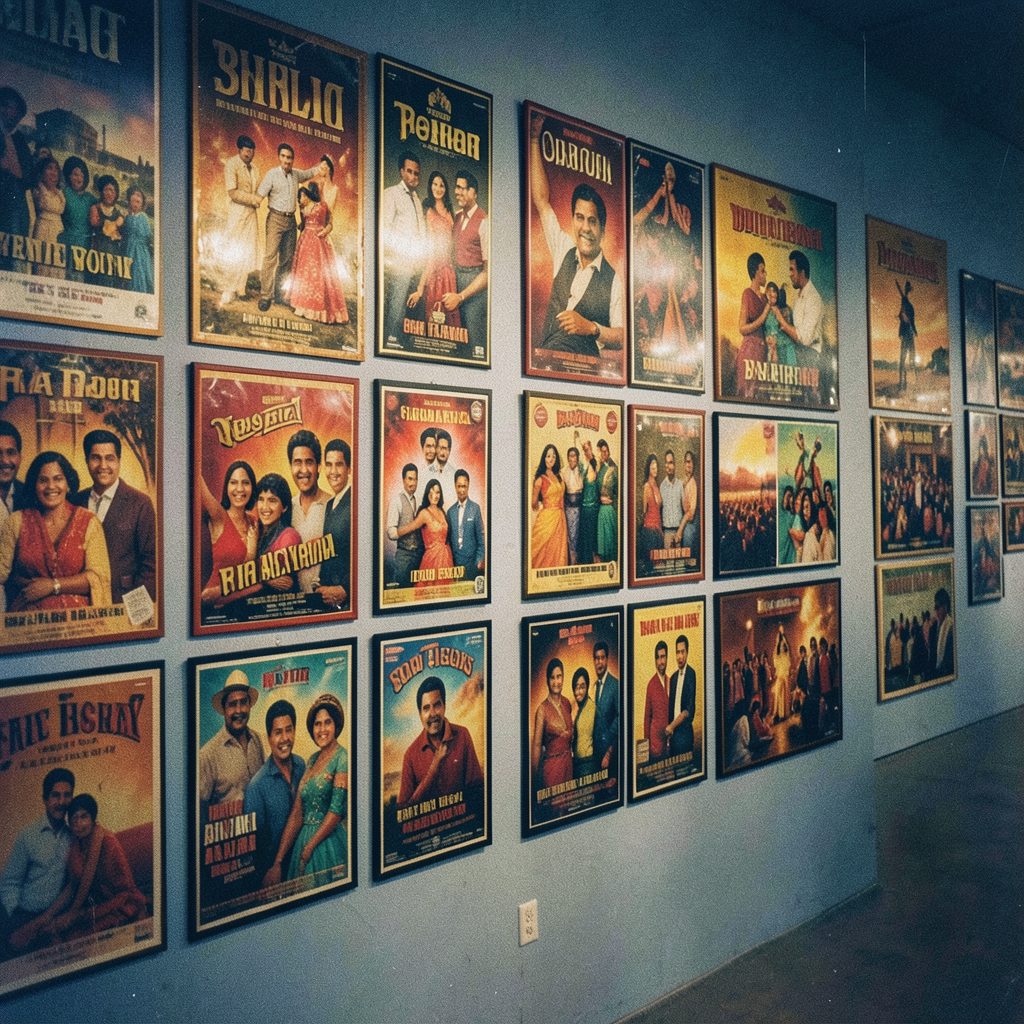
| Disposable posters and VHS-era packaging | Collectible nostalgia and visual inspiration |
| Ignored by mainstream criticism | Reassessed through fan communities and film scholarship |
Why The Label Was So Powerful
The term “B movie” has always carried a dismissive charge in Indian cinema. It suggested a film made quickly for a narrow market, frequently outside the polished ecosystem of major studios and established stars. In practice, the category included everything from horror and supernatural thrillers to action films, crime stories, soft-focus romances and low-budget mythological fantasies.
These productions operated with different commercial priorities. A recognisable villain, a dramatic title, a catchy song and a sensational poster could matter as much as a refined screenplay. Producers understood that a film had to make an immediate promise to its audience. The result was cinema with little interest in subtlety, yet plenty of confidence in its own ability to shock, amuse or excite.
The Ingredients That Aged Well
Many of these films are remembered because they commit fully to their ideas. A haunted mansion is genuinely haunted, a villain delivers grand speeches, a betrayed lover returns for revenge and a forbidden romance becomes a matter of life and death. The emotional volume is high, but that intensity creates scenes that remain easy to recall decades later.
Their visual language has also gained new respect. Hand-painted posters, saturated colours, fog machines, dramatic close-ups and elaborate costumes produced images that could be understood instantly from a street-side display. Even when the special effects were basic, filmmakers often found clever ways to create atmosphere through lighting, music and editing. Rough edges became part of the charm.
Streaming Changed The Audience
Streaming services and online video archives have altered how Hindi cinema is discovered. A film no longer needs a large opening weekend or a prominent multiplex release to find an audience. Someone searching for Indian horror, retro action or cult cinema can encounter a forgotten title alongside a new release, then share it with viewers who may never have seen it during its original run.
This shift is especially important for films that were difficult to access outside India. In Australia, viewers in Melbourne, Sydney, Brisbane and Perth can move from a mainstream Hindi release to an obscure 1980s thriller without waiting for a specialist revival screening. SBS programming, Indian film festivals and South Asian community networks have also helped broaden the idea of what Hindi cinema includes.
Camp, Excess And Memorable Style
Cult audiences are often attracted to films that reveal their construction. The dramatic pauses, unlikely plot turns and extravagant dialogue invite viewers to enjoy the work sincerely and playfully at the same time. A scene may be frightening, unintentionally funny and visually compelling within the space of a few minutes. That mixture gives the films a social life beyond their original commercial purpose.
Music remains central to this appeal. A suspense sequence can be transformed by a pulsing synthesiser line, while an action film may use a romantic melody to heighten melodrama. The songs, background scores and villain themes frequently survive longer than the plots. Listeners exploring Hindi film soundtracks and retro pop culture can also find related Bollywood audio coverage beyond conventional film reporting.
Why Australia Is Part Of The Shift
Australia has a sizeable and varied Indian diaspora, with Hindi films reaching audiences through family viewing, community events and commercial cinema. In suburbs around western Sydney, Melbourne’s eastern and south-eastern corridors, and parts of Brisbane and Perth, a film can travel through word of mouth long before it appears in mainstream Australian coverage. A title discussed at a local Indian grocery, restaurant or Diwali event may gain a second life through informal recommendation.
The market also encourages flexible viewing habits. Audiences may catch a major release at Hoyts or Event Cinemas, watch an older film on a streaming service, then revisit clips on YouTube during an arvo at home. The Indian Film Festival of Melbourne has helped give Hindi cinema a visible cultural platform, while local screenings and university clubs create space for older genre films that would rarely receive a broad commercial release.
Fans Turn Viewing Into Participation
Cult status depends on active audiences. Fans quote dialogue, circulate poster scans, create edits, discuss actors’ careers and compare different versions of a film. A title that was once consumed privately on television or a worn-out video cassette can now become the subject of online debates, watch parties and themed screenings.
This participation also changes how stars and filmmakers are remembered. Supporting actors who were once treated as interchangeable may become the real attraction, especially when they deliver an unusually intense performance. Directors known mainly for commercial work can be reassessed as genre specialists who understood pacing, atmosphere and audience expectation better than critics gave them credit for.
The Reassessment Is About More Than Nostalgia
Nostalgia explains part of the revival, particularly for viewers who remember late-night television, video shops and family film sessions. Yet the renewed interest is broader than a simple return to childhood favourites. Younger viewers are responding to the directness, visual confidence and creative freedom found in films made without today’s pressure to appear respectable or globally polished.
That does not mean every old B movie is secretly a masterpiece. Some are repetitive, exploitative or technically weak, and their treatment of gender, class and violence can be uncomfortable for modern audiences. Their value lies in what they reveal: how filmmakers worked with limited resources, how popular genres travelled across regions and how audiences embraced stories that elite criticism overlooked.
The most important change is that “low-budget” no longer automatically means “worthless”. Hindi cinema’s cult favourites show that imagination can survive limited production values, and that a film’s afterlife may matter more than its original reputation. What readers should remember is that these once-dismissed movies endure because their excess, music, imagery and emotional boldness gave them something polished productions often lack: a personality people cannot easily forget.