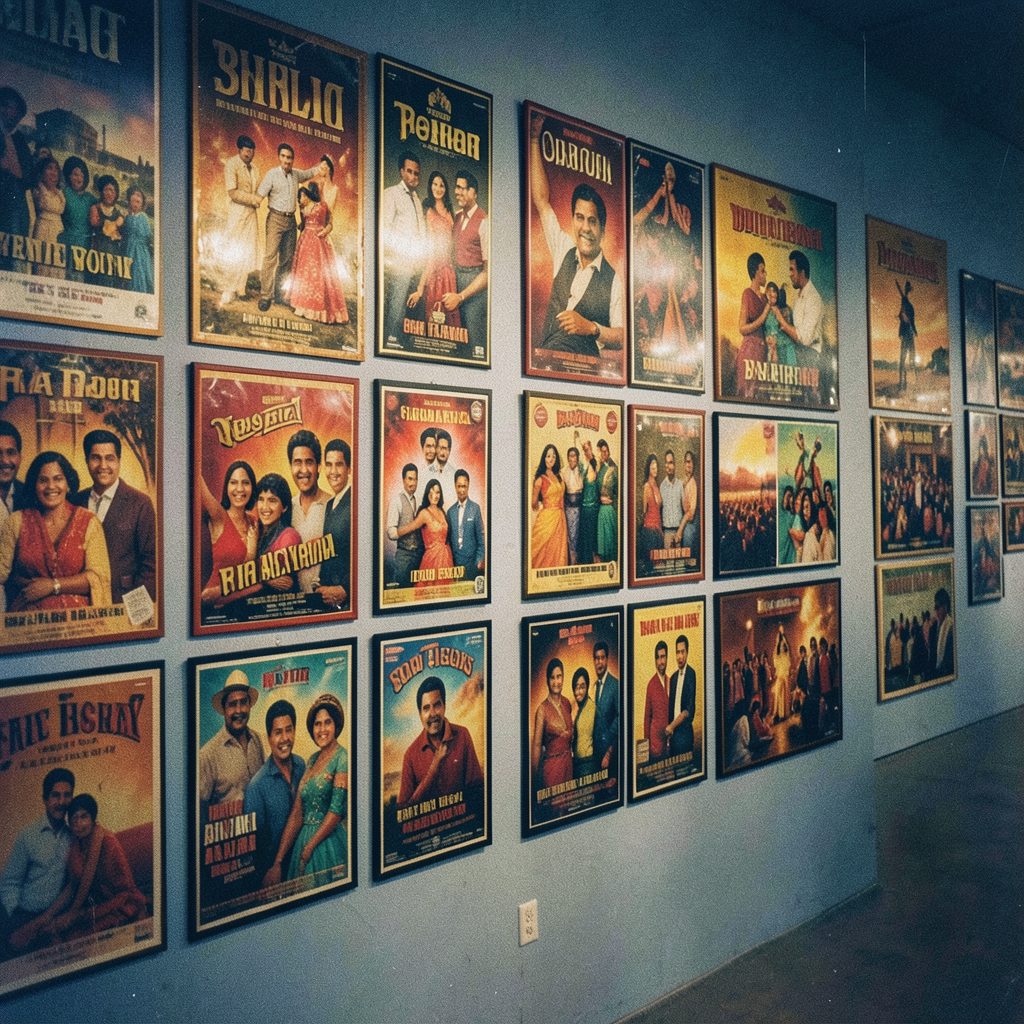

Why Bollywood Is Turning To Indie Folk Sounds
Hindi cinema has always borrowed from the sounds around it, from Punjabi bhangra and qawwali to electronic dance music and international pop. A new creative shift is now becoming harder to miss: music directors are bringing indie folk textures, regional instruments and intimate singer-songwriter arrangements into mainstream film albums.
This movement is changing how a soundtrack works. Instead of treating songs as large, polished interruptions between scenes, composers are using earthy vocals, acoustic strings and local rhythms to build character, place and emotional realism. For audiences in Australia, where Bollywood music is heard at weddings, festivals, cinema screenings and community events, the trend offers a fresh connection between global Hindi film culture and familiar live-music traditions.
Folk Music Finds A New Place In Hindi Cinema
The appeal of indie folk begins with texture. A sparse guitar line, hand percussion, harmonium, flute or untrained-sounding vocal can create a sense of closeness that heavily programmed pop sometimes lacks. Film composers are using these elements to make romantic songs feel personal, travel sequences feel rooted and dramatic moments feel less manufactured.
This does not mean that Bollywood has abandoned spectacle. Large orchestras, dance beats and lavish music videos remain important, particularly for commercial releases. The change is that folk-inspired arrangements are now being placed alongside those blockbuster sounds. A film may move from a club track to a quiet acoustic melody, allowing the album to reflect different shades of the story rather than one dominant commercial formula.
Regional folk traditions also give composers a wider palette. Rajasthani vocal phrasing, Bengali baul influences, Garba rhythms, Himachali melodies and Maharashtrian percussion can be adapted without copying them literally. When handled carefully, these references bring cultural detail to a soundtrack while still making room for contemporary production.
Streaming Has Changed The Soundtrack Economy
Streaming platforms have made listeners more willing to explore songs that do not fit a familiar Bollywood template. A track can find its audience through playlists for late-night listening, acoustic music, road trips or meditation before it becomes associated with a film. This gives unusual songs a longer life beyond the opening weekend and allows composers to take measured creative risks.
The change is also linked to how music is discovered. A listener in Melbourne may hear a Hindi folk-pop song on Spotify before seeing the film, while someone in Sydney might encounter it through an Instagram reel or a dance performance at a Diwali celebration. Short clips, lyric videos and behind-the-scenes sessions can introduce a singer or instrumental style before a full soundtrack arrives.
The commercial logic is visible across the wider digital entertainment market, where niche interests can be converted into highly specific audience habits; even cash-out cluster payouts reflect how online platforms study patterns of attention and repeat engagement. For Bollywood music, the lesson is less about imitation than discoverability: a distinctive folk sound can travel further when digital platforms help listeners locate it.
Independent Artists Are Bringing New Voices
The rise of independent Indian musicians has widened the pool of voices available to film composers. Singers who built audiences through YouTube, live sessions and regional music scenes often bring a less conventional vocal tone than established playback stars. Their phrasing may be gentler, rougher or more conversational, which can suit characters who are meant to feel ordinary and recognisable.
Independent producers are also comfortable with hybrid forms. They may combine an Assamese melodic idea with ambient electronics, place a Punjabi vocal over restrained guitar, or use a traditional drum pattern inside a contemporary folk-rock arrangement. These combinations are especially valuable for filmmakers who want a strong musical identity without making every song sound like a standard dance number.
The shift has given singers and composers more room to retain their own identity. A film song can now introduce listeners to an artist rather than simply serve as another entry in a star playback singer’s catalogue. That relationship benefits the movie as well, because audiences often respond to songs that feel connected to a real musical personality.
Local Sound Can Make Stories More Convincing
For filmmakers, folk instrumentation is often a storytelling device rather than a decorative choice. A song shaped by the setting can establish where a character comes from, reveal a family tradition or show how a community celebrates. Even a modern love story can gain emotional depth when its music carries traces of a particular region.
This approach is useful in films about migration and identity, themes that resonate strongly with Indian communities in Australia. A Hindi-language song with acoustic arrangements and regional vocal colours can evoke the feeling of moving between places without relying on explicit dialogue. For viewers in Brisbane, Perth or Adelaide, that emotional movement may resemble the experience of maintaining family customs while building a life far from India.
Australia’s live music culture adds another layer to this reception. Audiences accustomed to intimate gigs in Melbourne, acoustic sets at Sydney venues and community performances during Diwali may appreciate film songs that leave space for the voice and instruments. These arrangements can work well in smaller cultural events, where a full-scale playback spectacle is not practical but a singer with a guitar, dholak or flute can create an immediate connection.
Bollywood’s Folk Revival Still Needs Balance
The renewed interest in folk sounds carries creative opportunities, but it also demands responsibility. Regional music cannot be reduced to a few recognisable instruments or a vague idea of “earthiness”. Strong compositions understand the rhythm, language and cultural context they borrow from, while weak ones use folk signifiers as surface decoration.
There is also a risk that every soundtrack may begin chasing the same unplugged aesthetic. A quiet guitar and breathy vocal can feel fresh when they serve the narrative, but repetitive production choices quickly become another formula. Music directors will need to distinguish between genuine experimentation and the marketing language of authenticity.
For audiences, the best results are likely to come from albums that combine several approaches. A film can include a folk ballad, a bold dance track, a classical piece and an electronic theme if each song has a clear dramatic purpose. Readers following new releases, soundtrack reviews and Bollywood coverage can hear this evolution across trailers, singles and complete albums rather than judging a trend from one viral chorus.
The most promising direction is a dialogue between old and new. Traditional melodies can be recorded with modern clarity, independent voices can share space with major playback singers, and regional instruments can sit inside arrangements designed for global streaming audiences. This gives Hindi cinema a way to sound current without losing its connection to memory, place and community.
For listeners in Australia, the practical takeaway is simple: pay attention to the instruments, vocal styles and regional references beneath the catchy hook, because those details increasingly reveal how Bollywood is telling its stories.