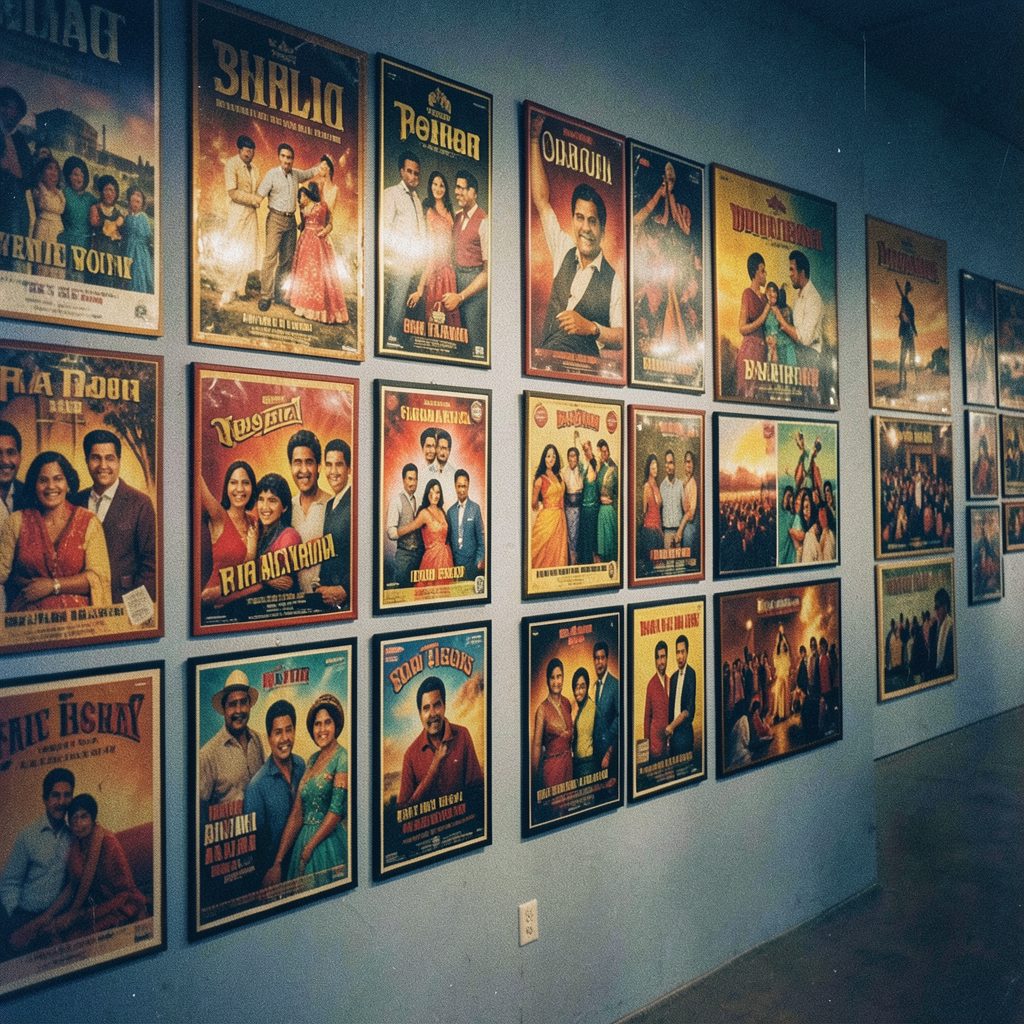
Why Bollywood Marketing Is Putting Fans in the Spotlight
Campaigns once followed a tidy path: poster, trailer, song release, then opening weekend. That sequence is being reshaped by the question of why Bollywood’s film marketing is leaning into fan interactions and events. Audiences now create reactions, remixes, predictions and news of their own, giving studios a two-way promotional engine rather than a one-way broadcast.
The change reflects a broader shift in Hindi cinema publicity. A film can be marketed for weeks through livestreams, fan-club conversations, premiere access and creator partnerships, while the people making the noise also become visible story carriers. For Australian viewers, especially those in cities with large South Asian communities, these touchpoints arrive through a mix of social media, community gatherings and cinema events.
Trailers become conversation starters
Trailer drops once marked a single peak of interest. They now open a rolling campaign in which cast members answer viewers, fan accounts dissect each frame, and song sequences become dance or fashion prompts. Pathaan’s pre-release choreography showed how a film can generate repeatable participation without every clip carrying the studio’s logo.
That reach depends on giving people something to do. Asking viewers to nominate a character, recreate a look, record a reaction or join a timed hashtag can convert passive attention into visible endorsement. The best prompts are simple enough to join in seconds and flexible enough to reflect personal taste, so the same official asset produces many authentic-looking variations.
Premieres become participatory media
The modern premiere is also a content set. Fan-club chapters gather for costumes, songs and conversations, while livestreamed stage events allow people outside the venue to respond in real time. Jawan’s Jawan Hunt network showed the scale of this approach, turning a major release into a chain of local gatherings rather than one isolated celebrity photocall.
For Bollywood films courting overseas audiences, an event can compress time zones and widen access at once. An Australian fan may join a Mumbai livestream, meet fellow fans in Sydney and upload the same conversation for people who missed it. This creates multiple layers of proof: what happened, how people reacted and what the studio chose to keep visible.
Fan communities carry campaigns
Fan clubs are the connective tissue between official publicity and grassroots enthusiasm. They offer spoiler-safe access, regional updates, costume meet-ups and member-only clips, giving studios a channel that can keep a film alive between major announcements. Importantly, they also create an identifiable network whose members can carry a message into their own schools, workplaces and social feeds.
Release calendars add pressure. The site’s October 2025 release slate illustrates how crowded a window can become, making a distinct fan experience more useful than another interchangeable promotional clip. A direct comparison shows where the emphasis has moved:
| Campaign element | Conventional push | Interaction-led push |
|---|---|---|
| Main objective | Awareness and opening-weekend sales | Participation, trust and sustained conversation |
| Main assets | Posters, trailers and press interviews | Fan clubs, premieres, live Q&As and creator posts |
| Audience role | Receives a message | Reacts, shares and co-creates |
| Useful measures | Spend, impressions and first-week gross | Ticket conversion, quality participation and repeat viewing |
| Common weakness | Message fatigue | High costs and noisy execution |
This model works best when participation is linked to the film’s identity, not bolted on as a prize hunt. A dance challenge suits an action spectacle; a costume gathering suits a family fantasy; a spoiler discussion suits a mystery. Clear rules and visible responses from the cast or creators then make the community feel heard, which can be more persuasive than another celebrity interview.
Brands enter the fan experience
Brands have noticed that a crowded fan gathering offers more than camera time. Drink labels, fashion collaborations, cosmetics and delivery platforms can become part of a premiere ritual without feeling like a separate television commercial. That is valuable for Bollywood, where songs, costumes and characters often shape how audiences imagine the film’s world.
Interactive technology can add another layer. QR codes can unlock a trailer, soundtrack, AR character filter or presale offer; photo stations can produce clips designed for social sharing. Livestreams also allow Mumbai sessions to reach audiences in Melbourne and Brisbane, although organisers must schedule carefully around Australia’s time zones and Indian prime-time slots.
Australia changes the event equation
In Sydney, activations can sit near Westfield precincts and suburban Hoyts and Event Cinemas sites, turning a premiere into an easy after-work or family outing. This convenience matters in a market where social media fandom is national but physical attendance is concentrated around capital-city cinemas.
Melbourne’s compact geography, strong café culture and busy cultural calendar make cosplay photo calls and short post-screening meet-ups natural extensions of a night out. The Melbourne International Film Festival and Adelaide Film Festival show how accustomed Australian audiences are to talks, panels and filmmaker sessions, giving Bollywood events a recognisably local format.
Brisbane’s substantial South Asian community provides strong networks for clubs and volunteer-led screenings, while Adelaide’s smaller audience can make a single well-covered gathering feel city-wide. In regional Australia, Event Cinemas locations and livestreamed conversations connect dispersed viewers, though organisers cannot assume everyone has the same connectivity, mobility or comfort with a large crowd.
Participation needs boundaries and purpose
Fan participation can curdle when access feels bought rather than earned, or when every prompt has a brand attached. VIP tiers may alienate casual viewers, crowded venues create safety issues, and aggressive prize mechanics can make the film’s community feel like a marketing list. Moderation matters just as much as excitement, especially when spoiler claims and misinformation travel faster than official corrections.
Good boundaries protect the value of the interaction. Transparent prize rules, consent-based data collection, accessible venues, captioned streams and clear moderation protocols allow fans to join without barriers. Measurement should include ticket conversion and repeat participation rather than treating every mention as equal; a smaller, attentive community is often more useful than a large burst of empty hashtags.
The audience becomes part of the campaign
The deeper change is not that Bollywood publicity has become louder, but that audiences now occupy the space between producer and viewer. Events create shared memories, fan clubs extend the life of a campaign, and creator content turns promotional material into something people discuss, remix and circulate on their own terms.
That model will endure when participation feels meaningful and the film still supplies the creative spark. What the audience should remember is simple: Bollywood’s strongest marketing does not merely attract attention; it gives fans a role in carrying the story forward.