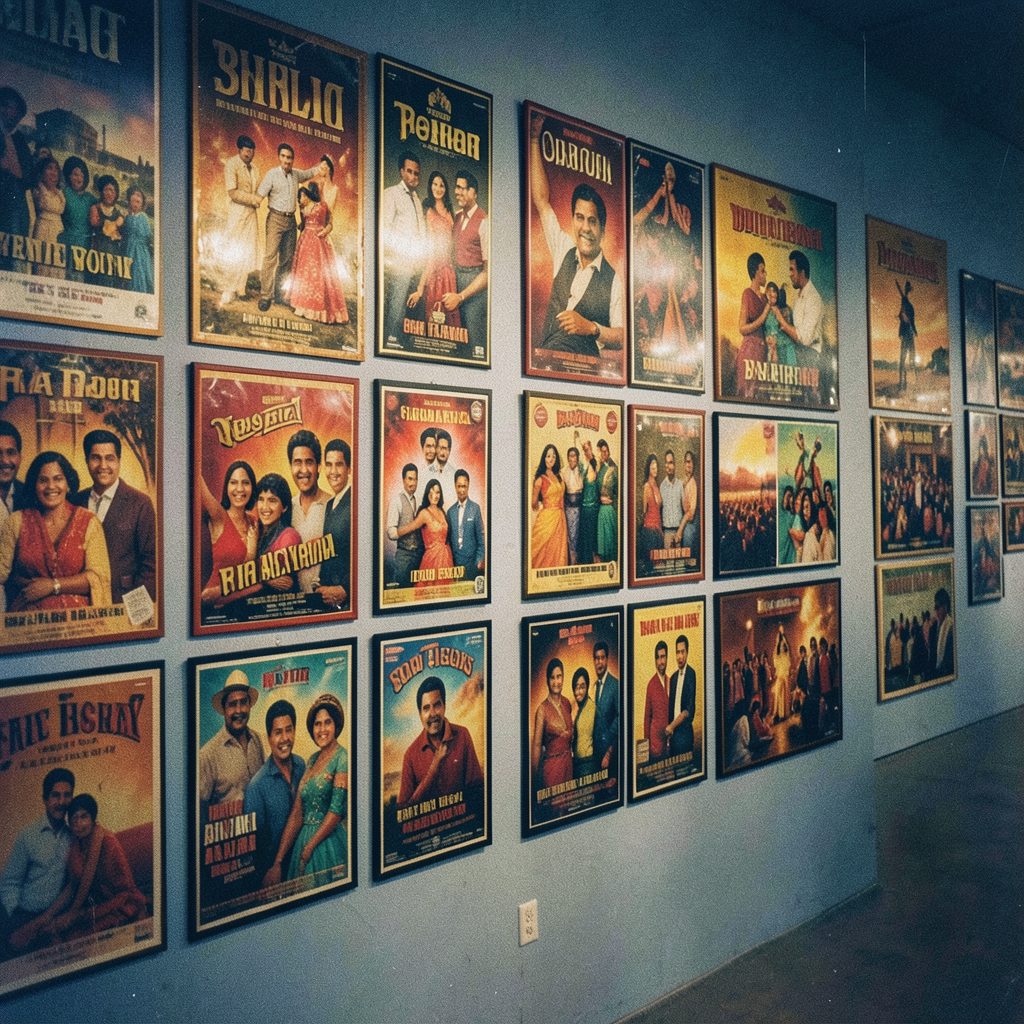

Why Bollywood stars are choosing producer credits to control their stories
For decades the Bollywood ecosystem handed its biggest names trophy-shelf recognition and headline fees, but rarely the final cut. The 2020s have rewritten that script, with leading actors quietly building production houses that shape what India watches on screen. The producer credit is no longer a vanity tag; it is a strategic lever for locking down script approval, casting choices and release windows while shielding projects from studio interference.
The shift has not happened in a vacuum. Sluggish theatrical recoveries, the OTT explosion and a more demanding global audience have pushed performers to want a louder voice in how their projects reach audiences. In Australia, where Hindi-language screenings fill town halls in Sydney and Melbourne during cultural festivals, the appetite for original Bollywood drama has only widened.
The shift from star power to producer power
A generation ago, the actor-producer was a rare species, mostly senior stars funding late-career passion projects. The current wave is younger and strategic. Alia Bhatt, Vicky Kaushal, Ayushmann Khurrana, Janhvi Kapoor and Rajkummar Rao have launched banners or partnered with financiers to green-light films on their own terms. When a star's face pulls in roughly forty percent of a film's opening, leaving every other decision to outsiders feels like leaving cash on the table.
Industry watchers point to mid-budget flops where external producers overruled directors on edits and endings, leaving actors promoting material they did not believe in. Owning the production credit gives stars a legal seat at every creative meeting, from locked script to colour-grading. The label "actor-producer" is shorthand for someone who cannot easily be sidelined by a studio chasing last-minute changes for overseas distributors.
Creative differences and industry politics
Behind the camera, Bollywood still operates on a patronage system favouring old alliances over fresh talent. Newcomers complain that financiers back the same cluster of writers and directors, leaving breakout performers stuck in projects recycling familiar tropes. When an actor holds a producer credit, that bottleneck loosens. They can attach specific writers, pitch riskier genre work or revive shelved scripts without waiting for a thumbs-up from a conglomerate.
Production ownership reshuffles who attends first-look screenings and whose voice matters when a controversial scene needs defending. For stars balancing blockbuster commitments with personal projects, creative oversight is a survival tool, the difference between trudging through a press tour for a film you privately dislike and standing behind something shaped from the first draft.
What production control unlocks
- Final-cut approval on edits and musical scoring
- Casting calls that bypass traditional studio shortlists
- Permission to commission riskier genres, from rural noir to psychological thrillers
- A direct seat at OTT negotiations and release-window planning
- Multi-release slating without studio vetoes
Box office stakes and financial risk
The economics of Hindi cinema have grown messier. Average ticket prices in Indian multiplexes have climbed, but footfalls for non-masala films have not kept pace, and overseas markets have become more competitive. Production lets an actor hedge that risk: a flop is partly absorbed inside their own company, while streaming, music royalty and satellite deals still flow back.
This matters for global viewers. In Australian cities such as Brisbane and Perth, where the Indian diaspora drives demand for bigger Bollywood releases, theatrical economics now shape what gets made. Stars want a say in which territories get subtitled prints, which scenes make the international trailer, and how aggressively a film is marketed on streaming platforms before the cinema run. Producer control is, in practical terms, control of the entire revenue trail.
The calculus also explains why younger stars are pursuing production before turning forty, building a slate early to amortise flops across a wider release calendar.
Streaming, OTT and the new distribution map
The rise of over-the-top platforms has rewritten the script for actor-producers. Studios that once paid flat licensing fees now want exclusivity windows, original content guarantees and creative input on marketing taglines. Actors with production equity can negotiate rather than accept, building development slates aimed at OTT audiences.
Disney+ Hotstar, Netflix India, JioCinema and SonyLIV have signed multi-picture deals with actor-led banners, often bundling theatrical and streaming rights. That model gives production-savvy stars a structural advantage: a guaranteed audience on day one, regardless of cinema performance.
| Actor-producer | Banner | Genre focus | Notable release | Streaming partner |
|---|---|---|---|---|
| Alia Bhatt | Eternal Sunshine | Women-led drama | Darlings | Netflix |
| Vicky Kaushal | Kaushal & Co. | Mid-budget thrillers | Samar | OTT slate pending |
| Ayushmann Khurrana | Judah Talkies | Issue-led drama | Doctor G | Netflix, T-Series JV |
| Rajkummar Rao | Abundantia labels | Experimental indie | Hit: The Third Case | Amazon Prime Video |
| Janhvi Kapoor | Dharma collaboration | Romance, female gaze | Mili | Netflix marquee |
The table shows how each banner occupies a distinct niche, signalling long-term brand building rather than vanity.
Australian audiences and the global Bollywood reach
For viewers in Sydney suburbs stretching from Parramatta to Harris Park, Bollywood is family-night entertainment, festival programming and weekend catch-up viewing rolled into one. The Australian Classification Board's ratings influence how Indian films are cut for local release, prompting producers to negotiate edited versions that keep younger audiences inside permitted brackets. Stars holding producer cards are better placed to liaise with distributors on those questions than actors relying on studio middlemen.
The Indian Film Festival of Melbourne and the Sydney Indian Film Festival have grown into launch pads for new Bollywood work, often inviting actor-producers onto juries and panel discussions. Australian streaming services such as SBS have increased Bollywood acquisitions, partly responding to data showing consistent demand during prime-time slots.
For distributors negotiating with platform buyers in Australia, having a producer who can green-light subtitling changes or runtime edits in real time removes weeks of back-and-forth. That operational speed has made actor-producers more attractive partners for international distributors.
Legacy, brand and the next generation
Beyond any single release, production ownership is increasingly framed as a legacy play. Stars in their thirties are using their banners to incubate writers, technicians and directors who will shape Bollywood for decades. The model echoes what Australian outfits like Aquarius Films and Porchlight Films have done, where long-term slate building has mattered more than chasing one breakout hit.
Younger fans respond to that horizon. They follow production identities the way they follow fashion houses. A strong banner signals a recurring visual language and a willingness to take risks traditional studios avoid. For an actor, that durability is harder to achieve through performance credits alone.
Pressures that come with the credit
- Liability falls on the star when films underperform at the box office
- Investors expect recurring releases rather than personal passion projects
- Reputation damage from a flop now spills across an entire career arc
- Schedule collisions between acting gigs and production oversight duties
- Family scrutiny that corporate producers usually sidestep
Family business and the long shadow of star bloodlines
The trend tightens an old Bollywood pattern: family production houses have always existed, but they rarely let outsiders in. Stars producing their own films can also open pathways for newer actors and writers they personally recruit. Recent cases have seen actor-producers cast debutants, fund indie directors and release films that major studios had turned down.
That openness brings tension. Veteran financiers argue that stars are jumping into a producer's chair without the on-the-job training traditional film families absorbed over decades. Stars counter that the cost of waiting their turn, in a market where a streaming platform launches a new release every Friday, is simply too high. The balance between family lineage and fresh creative energy is the next fault line Bollywood will have to negotiate.
Coverage tracking how production-led stars are sealing OTT partnerships and stretching Bollywood's footprint into distant markets, including release-calendar analysis and contract terms, runs through Wassupbollywood features. In Australia and beyond, the actor-producer has stopped being a sideline job and started shaping what Hindi cinema actually looks like on screen, frame by frame.