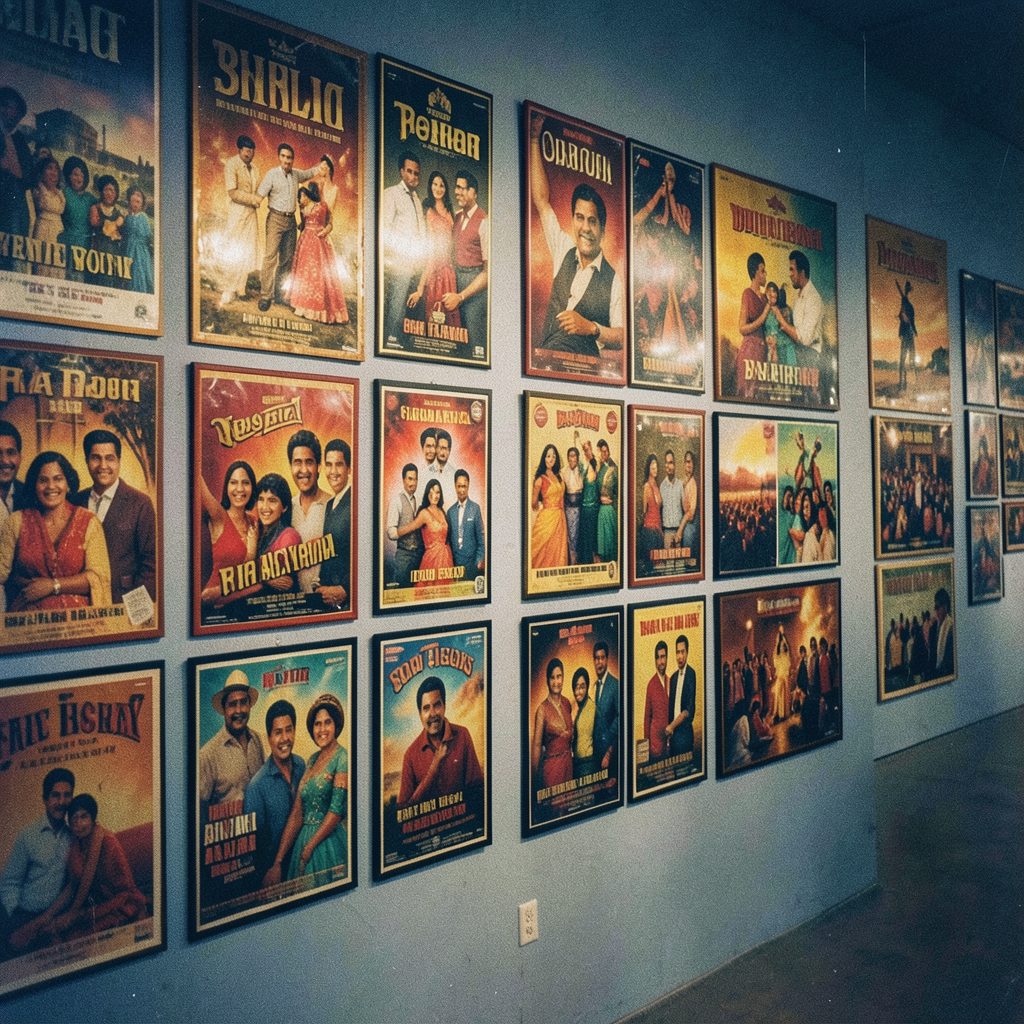

How Bollywood’s Female Dancers Are Taking the Lead
Bollywood dance has long been associated with dazzling costumes, large ensembles and instantly recognisable hook steps. Behind those sequences, however, women are moving from performance spaces into positions where they design movement, lead rehearsal rooms and shape the visual language of Hindi cinema. Learn more about Crypto Blackjack Online Spelen.
This shift reflects a wider change in the film industry. Choreographers are now expected to understand camera movement, short-form video, celebrity branding and audience analytics alongside classical technique. For viewers in Australia, where Hindi films reach audiences through cinemas, streaming services and community events, the work of these creative leaders is becoming easier to see and discuss.
From Background Performers To Creative Directors
Women have played a major role in Bollywood choreography for decades. Saroj Khan established the scale and emotional vocabulary of commercial Hindi dance, while Farah Khan and Vaibhavi Merchant helped define the polished, high-energy song sequences associated with modern mainstream cinema. Their careers showed that choreography could be a senior creative role rather than a supporting department.
The current generation is building on that foundation. Geeta Kapur has become a familiar television personality as well as a choreographer, and figures such as Shakti Mohan have crossed between performance, choreography, competition shows and digital media. Their visibility matters because young dancers can now see a pathway from stage performer to rehearsal director, movement coach and principal choreographer.
A lead choreographer is responsible for far more than teaching steps. The role can involve interpreting lyrics, planning formations, adapting movement to a star’s physicality, briefing assistants, coordinating with costume and cinematography teams, and keeping a large set safe and on schedule. Women taking these responsibilities are gaining authority over the entire creative process.
Training Has Become More Diverse
The old route into Hindi film dance often depended on studio connections, family networks and years spent as an assistant. Those routes still matter, yet dancers now develop through reality television, university performance courses, commercial dance schools, music videos and social platforms. A performer may build an audience online before receiving a film commission.
This broader training ecosystem has made movement styles more fluid. Bollywood choreography can combine Kathak, Bharatanatyam, jazz, hip-hop, waacking, contemporary dance and regional folk forms within the same song. Female choreographers are often valued for blending technical precision with expressive storytelling, particularly in sequences built around a woman’s confidence, vulnerability or ambition.
Social media has also changed the audition process. A choreography reel can reach directors and production companies without a dancer first entering a major Mumbai studio. Instagram and YouTube clips allow choreographers to display rehearsal methods, camera-friendly combinations and original concepts. The pressure is intense, but the route into the industry is less dependent on a single gatekeeper.
A New Language For Screen Dance
The rise of women in senior choreography roles is influencing how female characters occupy cinematic space. A heroine is increasingly framed as an active performer with control over rhythm, attitude and narrative, rather than simply an ornament beside the male lead. This does not erase the familiar glamour of Hindi film songs, but it can give that glamour greater agency.
There is also a practical understanding of what audiences replay. A successful song needs a recognisable movement phrase that works in a theatre, at a wedding or in a fifteen-second clip. The most effective choreography balances visual complexity with a memorable signature step. Female choreographers are contributing to this balance while paying closer attention to comfort, consent and the physical demands placed on performers.
The shift is visible in how songs travel beyond India. At Bollywood dance schools in Sydney, Melbourne and Brisbane, students often learn film routines for showcases, weddings and community festivals. A move that begins in a Mumbai studio can appear at a Diwali event in Parramatta or on a university stage in Clayton within weeks, giving choreographers an international feedback loop.
| Area | Earlier Industry Pattern | Emerging Practice |
|---|---|---|
| Career entry | Studio contacts and assistant roles | Training, television, reels and independent projects |
| Creative authority | Choreographer mainly served the star and director | Choreographer shapes concept, movement and visual identity |
| Dance vocabulary | Strong separation between classical and Western styles | Blended forms designed for cinema and social media |
| Audience reach | Theatrical release and television promotion | Cinema, streaming, short video and live community events |
| Professional priorities | Speed, spectacle and star image | Performance quality, safety, representation and shareability |
Australia Gives The Movement A Wider Audience
Australia has a distinctive market for Hindi cinema. The Indian-Australian population is concentrated in cities such as Melbourne, Sydney and Brisbane, while smaller centres also support local dance schools and touring productions. Films may screen at Event Cinemas or HOYTS, appear on streaming platforms soon after their Indian release, and gain extra momentum through community promotion.
The Melbourne Indian Film Festival has helped create a serious space for Indian cinema beyond the traditional multiplex audience. In Sydney, Hindi film fans may discuss a new song at a dance academy in Harris Park, share clips through WhatsApp groups or attend a live performance at a local cultural festival. The market is commercially important, yet it remains shaped by word of mouth and diaspora enthusiasm.
Australian audiences also bring different expectations to performance. Younger viewers move comfortably between Bollywood, K-pop, Western pop and local hip-hop, so choreographers compete in a crowded cultural environment. A song needs strong storytelling and a clear visual identity to cut through, especially when audiences can discover new routines during an afternoon scroll or an “arvo” spent online.
Digital entertainment habits influence this competition. The same fans who follow trailers, celebrity updates and dance tutorials may also encounter online entertainment trends while moving between platforms. For film marketers, this makes a short, distinctive dance moment valuable: it can keep a song visible after the opening weekend and encourage audiences to recreate it.
The Business Behind The Spotlight
A lead choreographer’s contribution is often measured through a song’s popularity, but the economics are more complicated. Film schedules can be compressed, rehearsal time can be limited, and a choreographer may need to coordinate hundreds of dancers across multiple locations. Payment, credit and ownership of choreography remain important professional concerns, particularly when a movement becomes a viral trend.
Women in the field also face familiar industry pressures. They may be expected to manage performers with authority while remaining agreeable, or to deliver physically demanding work under scrutiny about age, appearance and personal style. The public visibility of female choreographers can create opportunities, but it can also turn professional evaluation into commentary about personality or looks.
Clearer crediting is one practical way to recognise the work. Promotional material, streaming metadata and interviews should identify the choreographer rather than treating the dance sequence as an anonymous extension of celebrity performance. Production houses can also support safer rehearsal schedules, proper contracts and career progression for assistants.
What Helps Female Choreographers Advance
- Build a portfolio that shows complete concepts, not just isolated dance steps.
- Learn camera blocking, editing rhythms and basic production planning.
- Maintain strong foundations in classical and contemporary movement.
- Credit assistants and collaborators clearly across professional and social channels.
- Use workshops and community performances to develop teaching and leadership skills.
- Negotiate rehearsal time, safety provisions and screen credit before production begins.
Where The Next Generation Is Heading
The next phase of Bollywood dance will be shaped by women who combine performance knowledge with production skills. Some will come through reality television, while others will emerge from independent music videos, streaming series and regional cinema. Their work may be less tied to the traditional three-minute film song and more connected to character-driven sequences, dance dramas and episodic storytelling.
Technology will add another layer. Virtual production, motion capture and increasingly sophisticated editing can make movement more cinematic, but they cannot replace a choreographer’s understanding of bodies in space. A digital effect may enlarge a formation or alter the background; it still needs human direction to feel musical and emotionally purposeful.
For audiences in Australia, the most meaningful change may be the growing exchange between screen dance and local participation. Young performers in Melbourne, Sydney and Brisbane are studying Hindi film choreography while adding their own training and cultural references. As those dancers become teachers, creators and directors, the influence will travel back into the industry through workshops, collaborations and new screen voices.
The practical takeaway is simple: watch the credits, follow the choreographer, and treat the movement design as a central part of a Bollywood film’s authorship rather than decoration around the stars.