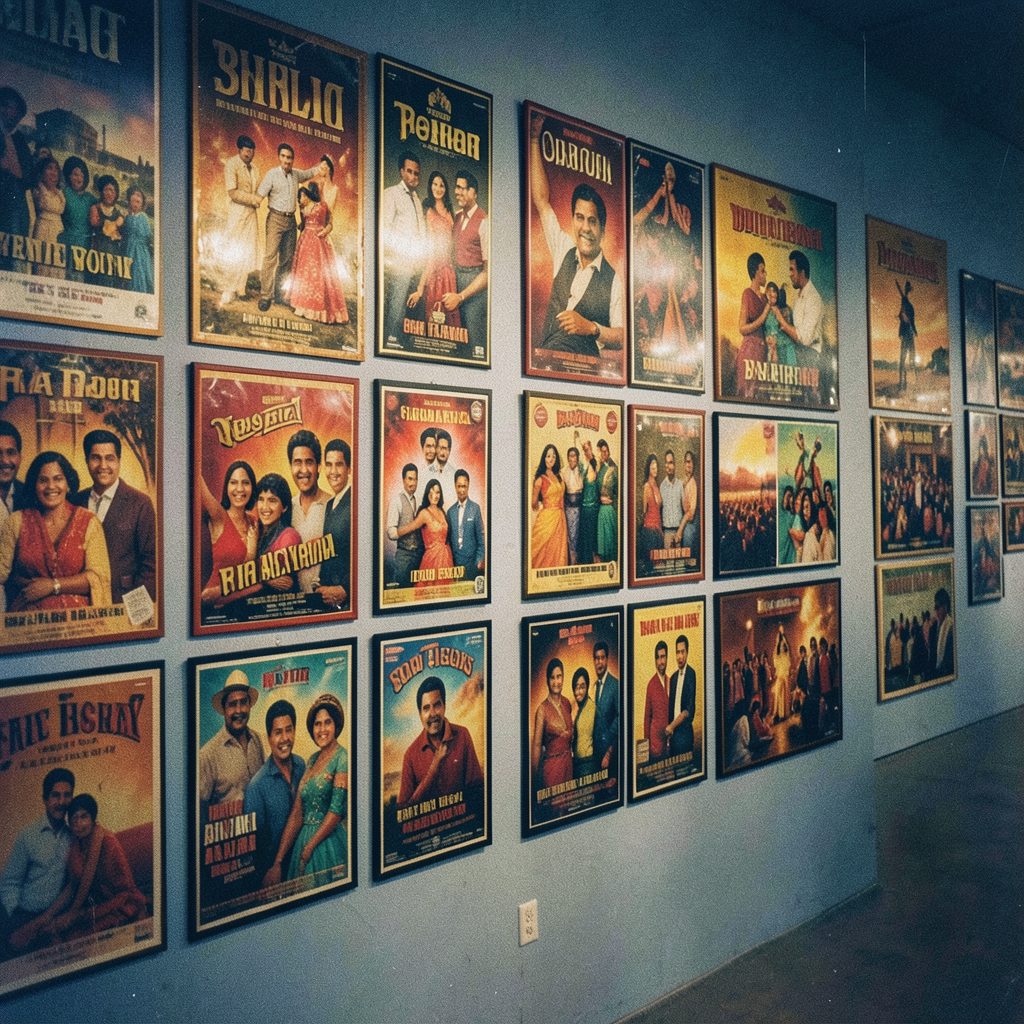
Bollywood’s Female Cinematographers Are Changing the Frame
For decades, Bollywood cinematography was widely treated as a men’s domain, particularly on large commercial productions where long shooting schedules, demanding physical conditions and powerful industry networks shaped hiring decisions. Women were present across acting, costume design, editing and production, yet relatively few were trusted with the camera department’s most senior creative and technical responsibilities. Learn more about Análise De Helldivers 2 Cooperação Caótica E A Sátira Ao Militarismo.
That pattern is shifting. A new generation of Indian women directors of photography is gaining recognition through independent cinema, streaming series, documentaries, advertising and regional-language films. Their work is expanding the visual vocabulary of Hindi cinema, bringing fresh approaches to intimacy, colour, movement and the representation of women on screen.
Why the camera department stayed male-dominated
Cinematography combines artistic judgement with complex logistics. A director of photography must shape lighting, select lenses, manage camera movement, collaborate with production design and maintain a consistent visual language through long, exhausting days. In India, access to these roles has often depended on informal apprenticeships and personal recommendations, systems that historically favoured men already connected to established crews.
The physical image of the cinematographer has also mattered. Large cameras, heavy lighting equipment and night shoots were frequently framed as unsuitable for women, even when digital technology reduced the need for bulky film equipment. Assumptions about women’s availability after marriage, their willingness to travel and their ability to command a crew created additional barriers that had little to do with visual talent.
Bollywood’s commercial structure reinforced the problem. Producers often preferred familiar technicians for major stars and expensive productions, while women cinematographers were pushed towards smaller budgets. This made it harder to build the credits, professional relationships and box-office confidence required to move into mainstream Hindi films.
The artists reshaping Indian visual storytelling
Fowzia Fathima remains an important figure in the history of Indian women cinematographers. Her work on films such as Mitr, My Friend demonstrated how restrained framing, natural light and carefully observed domestic spaces could communicate emotional depth without relying on spectacle. Her career helped challenge the assumption that a woman behind the camera belonged only to documentary or low-budget filmmaking.
Priya Seth has brought a distinctive visual confidence to Hindi and Indian-language projects, working across films, advertising and other screen formats. Her cinematography shows how a female gaze need not mean a single style. It can be intimate, energetic, glamorous, unsettling or sharply observational, depending on the story. Savita Singh and other emerging practitioners have similarly shown that women can work across art-house cinema, genre films, streaming productions and commercial campaigns.
The change is also visible in training pathways. Film schools, cinematography workshops, online communities and international collaborations allow aspiring camera operators to develop portfolios before entering a traditional studio system. Streaming platforms have created additional demand for skilled directors of photography, since a limited series may require multiple visual worlds and sustained collaboration over several months.
A changing industry with uneven access
The progress is real, but it should not be confused with equality. Women cinematographers remain underrepresented in high-budget Hindi productions, where schedules, budgets and star-led decision-making can still favour established male crews. Representation is particularly uneven for women from marginalised castes, smaller cities, minority communities and regional industries.
| Area | Earlier industry pattern | Emerging direction |
|---|---|---|
| Career entry | Informal male networks and unpaid apprenticeships | Film schools, workshops, streaming credits and professional associations |
| Typical opportunities | Independent films, documentaries and advertising | Series, mainstream features, music videos and large campaigns |
| Creative expectations | Women linked to “soft” or domestic stories | Women leading action, thriller, romance and spectacle |
| Workplace culture | Long hours with limited accountability | Greater attention to harassment policies, contracts and crew welfare |
| Audience response | Technical work rarely discussed publicly | Cinematographers receiving festival, media and fan recognition |
The international conversation around representation has also changed how audiences evaluate filmmaking. Viewers increasingly notice who shapes the image, whose perspective controls a scene and how women are framed within popular cinema. A film’s cinematography is no longer treated simply as a polished background for stars; it is part of the storytelling and cultural argument.
For Australian viewers, this shift has a useful local comparison. A film fan in Melbourne or Sydney may discover Indian cinematographers through a streaming service, a festival programme or a late evening discussion after work, rather than through a traditional theatrical release. Australia’s relatively small screen market makes visibility especially important: a strong festival review or platform recommendation can determine whether an international title reaches audiences beyond major cities.
What the female gaze can bring to Bollywood
The phrase “female gaze” is often used too narrowly, as if every woman cinematographer must produce the same kind of visual style. In practice, the value lies in widening the range of creative experience behind the camera. A woman may be more attentive to how a heroine occupies a room, but she can equally bring a forceful approach to action, comedy, crime or spectacle.
This broader perspective can affect practical choices. Lighting may avoid flattening darker skin tones or over-glamorising every female character. Camera placement may allow a performer privacy and agency rather than turning her body into a decorative object. Close-ups can focus on thought, fatigue and hesitation, not simply beauty. These decisions influence the emotional relationship between audiences and characters.
Visual innovation also crosses media. The intense team play and satirical militarism discussed in this Helldivers 2 analysis shows how framing, movement and controlled chaos can shape a viewer’s understanding of power. Bollywood cinematographers working on action or political stories face a similar challenge: spectacle must reveal something about institutions, bodies and collective behaviour rather than becoming empty noise.
The business case for wider representation
Hiring more women behind the camera is an artistic decision, yet it also makes commercial sense. Bollywood depends on repeat audiences, international licensing and a constant supply of fresh stories. Distinctive cinematography can help a film stand out in crowded streaming menus, social media clips and overseas markets. A strong visual identity gives trailers, posters and stills greater impact, which matters to the modern entertainment economy.
This is relevant to the way Australian audiences consume Hindi cinema. Viewers in Brisbane, Perth and Adelaide may follow a release through digital platforms rather than see it during a short cinema run. Many watch films with subtitles at home, often after dinner or during a weekend streaming session, and then discover songs, fashion images and behind-the-scenes interviews online. Cinematography becomes part of the shareable identity of a film.
Star power still influences that market. The industry discussion around Kartik Aaryan’s bankability illustrates how actor value can shape financing and distribution. Yet a recognisable star cannot guarantee a film’s long-term cultural impact. A memorable visual world, created by a confident cinematographer, can help a project travel beyond opening-weekend expectations.
Australia also offers a regulatory and professional context worth noting. Screen projects operate alongside Australian classification requirements, workplace obligations under Fair Work legislation and state-based safety rules governing crews, equipment and working conditions. Screen Australia funding and local production incentives can support a more formal development environment, although women and culturally diverse practitioners still need fair access to those pathways. These frameworks matter because safer, documented workplaces make it easier for talent to remain in the industry.
Building a more inclusive camera culture
The next stage requires sustained change rather than occasional publicity around one successful appointment. Producers, studios, agencies and directors can widen recruitment by looking beyond familiar crews, publishing clearer hiring processes and giving promising cinematographers meaningful responsibility instead of symbolic credits.
Useful practices include:
- Create paid trainee and camera-assistant positions for women from varied backgrounds.
- Publish transparent crew hiring and pay policies for major productions.
- Provide safe reporting systems for harassment, discrimination and unsafe working hours.
- Fund equipment access, cinematography labs and mentorship outside Mumbai.
- Track women’s participation across features, series, advertising and regional cinema.
- Credit the full camera team in promotional material and industry coverage.
Unions, guilds and film schools can reinforce these efforts by sharing salary benchmarks, technical training and professional contacts. Producers should also recognise that a supportive set is part of production quality. Reasonable rest, reliable transport for night shoots and clear authority structures benefit the entire crew, not only women.
For Bollywood, the opportunity is larger than correcting an old imbalance. Female cinematographers can help the industry tell stories with more visual variety and emotional precision while competing in a crowded global market. What audiences should remember is simple: when more women control the camera, Indian cinema gains more ways to see, feel and imagine its world.