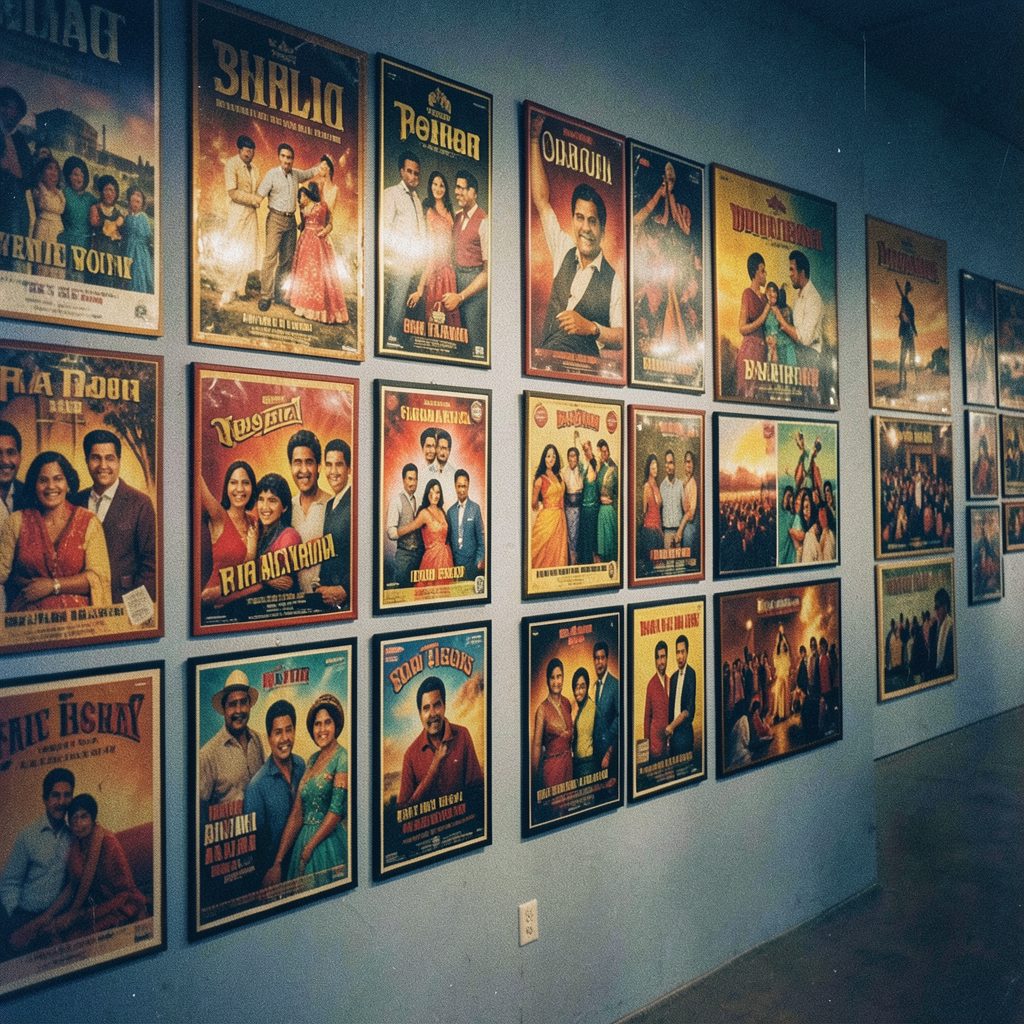

Why Bollywood’s Ensemble Comedies Are Ready for a New Run
Bollywood’s multi-starrer comedies are moving back into the conversation after a quieter stretch. For years, ensemble films built around several recognisable stars, overlapping storylines and broad comic set pieces were dependable theatrical attractions. Then audience habits changed, streaming platforms expanded, and many Hindi releases shifted towards action spectacles, thrillers and star-led dramas.
The format still has strong potential because comedy benefits from group chemistry. A crowded cast can create contrasting personalities, misunderstandings and running jokes that feel larger on a cinema screen. For Australian viewers, this revival could bring lively Hindi releases to cinemas in Sydney, Melbourne, Brisbane and Perth, while giving streaming audiences another reason to follow Bollywood’s changing commercial landscape.
Why The Ensemble Formula Lost Momentum
The decline was less about audiences rejecting laughter and more about changing expectations. A multi-starrer requires a clear balance between its characters, yet several recent ensemble projects felt like collections of celebrity appearances rather than complete stories. When jokes, songs and subplots compete for attention, the film can appear expensive without feeling coherent.
The pandemic also altered release strategies. Viewers became comfortable waiting for a digital premiere, where they could pause, switch subtitles or watch in shorter sessions. A broad comedy designed for a noisy theatre has less impact on a laptop or mobile phone, particularly when the humour depends on timing, crowd reactions and a large-scale set piece.
Bollywood’s commercial priorities shifted at the same time. Action franchises and event films became easier to market internationally, while serious dramas attracted praise through streaming discovery. The ensemble comedy did not disappear, but its place in the release calendar became less secure.
What Makes A Multi-Starrer Work Again
A successful comeback needs more than five or six famous names on a poster. Each actor should have a distinct comic identity, a meaningful relationship with the others and a reason to remain involved in the central conflict. Films such as Hera Pheri, Welcome, Golmaal and Dhamaal worked because their casts operated as comic ensembles rather than a queue of individual star turns.
The screenplay must also control escalation. Confusion can begin with a small lie, an ambitious plan or a mistaken identity, then expand through carefully timed consequences. If every character shouts from the first scene, the humour becomes tiring. Visual rhythm, pauses and reaction shots matter as much as punchlines; this is where camera work intensifies drama can also sharpen comic tension.
Modern audiences expect emotional logic alongside spectacle. A friendship, family dispute or romantic complication gives the chaos a foundation. It also helps performers avoid caricature, allowing a comic villain, anxious businessman or overconfident heir to feel recognisable rather than disposable.
| Format | Main Attraction | Common Risk | Best Theatrical Strength |
|---|---|---|---|
| Classic ensemble comedy | Distinct personalities colliding | Uneven character development | Group laughter and repeat jokes |
| Franchise comedy | Familiar world and returning faces | Formula fatigue | Immediate audience recognition |
| Relationship-based ensemble | Interwoven families or friends | Too many subplots | Emotional engagement |
| Comedy with action elements | Physical scale and star appeal | Action overwhelming the humour | Large-screen spectacle |
| Streaming-first ensemble | Flexible tone and longer storytelling | Reduced communal energy | Character detail and accessibility |
Australia Gives The Genre A Useful Test Market
Australia has a sizeable South Asian audience, but Hindi cinema competes within a crowded entertainment market. A Bollywood comedy arriving in Sydney or Melbourne may share attention with Hollywood releases, Indian regional-language films, sporting events and subscription platforms. Strong word of mouth is therefore crucial, especially when a film does not have the instant recognition of a major action franchise.
Release timing also matters. A Hindi film can benefit from school holidays, long weekends and evening screenings that suit families and friendship groups. Audiences in Melbourne and Sydney often plan outings around public transport, restaurant bookings and shopping-centre cinemas, so a bright, accessible comedy can fit naturally into a social night out. In smaller markets, including Adelaide, Perth and Brisbane, screen allocation may depend more heavily on advance bookings and opening-weekend demand.
Pricing affects the decision as well. Australian cinema tickets, parking and food can turn a casual outing into a significant expense, particularly for a family. A multi-starrer must communicate a communal experience worth paying for. The value proposition is strongest when the film offers recognisable stars, songs, polished production design and humour that works for both devoted Hindi-film followers and companions who may rely on subtitles.
Local classification rules are another practical factor. Australia’s Classification Board assesses films before public exhibition, and distributors must present the relevant rating clearly. A comedy filled with innuendo, crude language or comic violence may receive a classification that shapes family attendance and session times. Marketing teams need to understand that a film aimed at a broad Indian audience may be judged differently from a purely domestic release.
The New Comic Ensemble Can Be More Flexible
The next wave may not copy the sprawling formulas of the 2000s. Instead, filmmakers can combine a compact ensemble with a sharper premise: a wedding disrupted by hidden identities, a family divided by a property dispute, or a group of friends caught in a rapidly worsening business scheme. This keeps the cast busy without forcing every character into a separate subplot.
There is also room for different kinds of performers. Established stars can provide opening-weekend security, while comic actors, television favourites and emerging social-media personalities bring freshness. Casting should serve the dynamic of the story, rather than treating fame as a substitute for timing.
Tone is equally important. Audiences are more alert to lazy stereotypes involving regional identity, class, gender or disability. A contemporary comedy can still be loud and mischievous, but its humour should come from character and situation rather than punching down. The evolution of nuanced villains offers a useful model: even an antagonist in a comic plot can have understandable motives and surprising vulnerability.
Streaming may help this experimentation. A theatrical success can later reach viewers across Australia through legal digital platforms, where subtitles and language options expand its audience. However, the initial film must still feel designed for a shared viewing experience rather than a collection of clips made for online circulation.
What To Watch In The Next Release Cycle
Industry observers and audiences can assess the comeback through a few practical signals:
- Whether the trailer establishes a central conflict instead of listing celebrity cameos
- Whether every principal character has a recognisable comic function
- Whether the humour remains understandable through subtitles and cultural context
- Whether songs, action scenes and romance support the plot rather than interrupt it
- Whether Australian distributors secure suitable evening and weekend screenings
- Whether reviews discuss chemistry and screenplay structure, not only star power
A strong opening weekend will matter, but longevity may be more revealing. Ensemble comedies often depend on recommendations from families, university students and groups of friends. If audiences leave quoting scenes, sharing songs and encouraging others to attend, the film can hold screens beyond its first week.
Social media will amplify that process, although online popularity is not a complete measure of ticket sales. A short comic clip may travel widely without convincing viewers to buy a cinema ticket. Distributors will need to connect viral moments with a clear promise of a satisfying full-length story.
The Audience Will Decide The Comeback
The return of Bollywood’s multi-starrer comedies after a hiatus is likely to be gradual rather than sudden. One polished success could encourage producers to back another ensemble, while a noisy but weak screenplay could reinforce the idea that the format has had its day. The genre’s future depends on writing, casting and release strategy working together.
For Australian audiences, the best sign will be a film that feels generous with its cast but disciplined with its story. It should reward long-time Bollywood fans, remain accessible through subtitles and classification-aware marketing, and offer enough theatrical energy to justify a shared night out. The practical test is simple: choose ensemble comedies where every star strengthens the story, every joke grows from character, and the whole film earns its place on the big screen.