How Bollywood's biggest names are launching their own studios
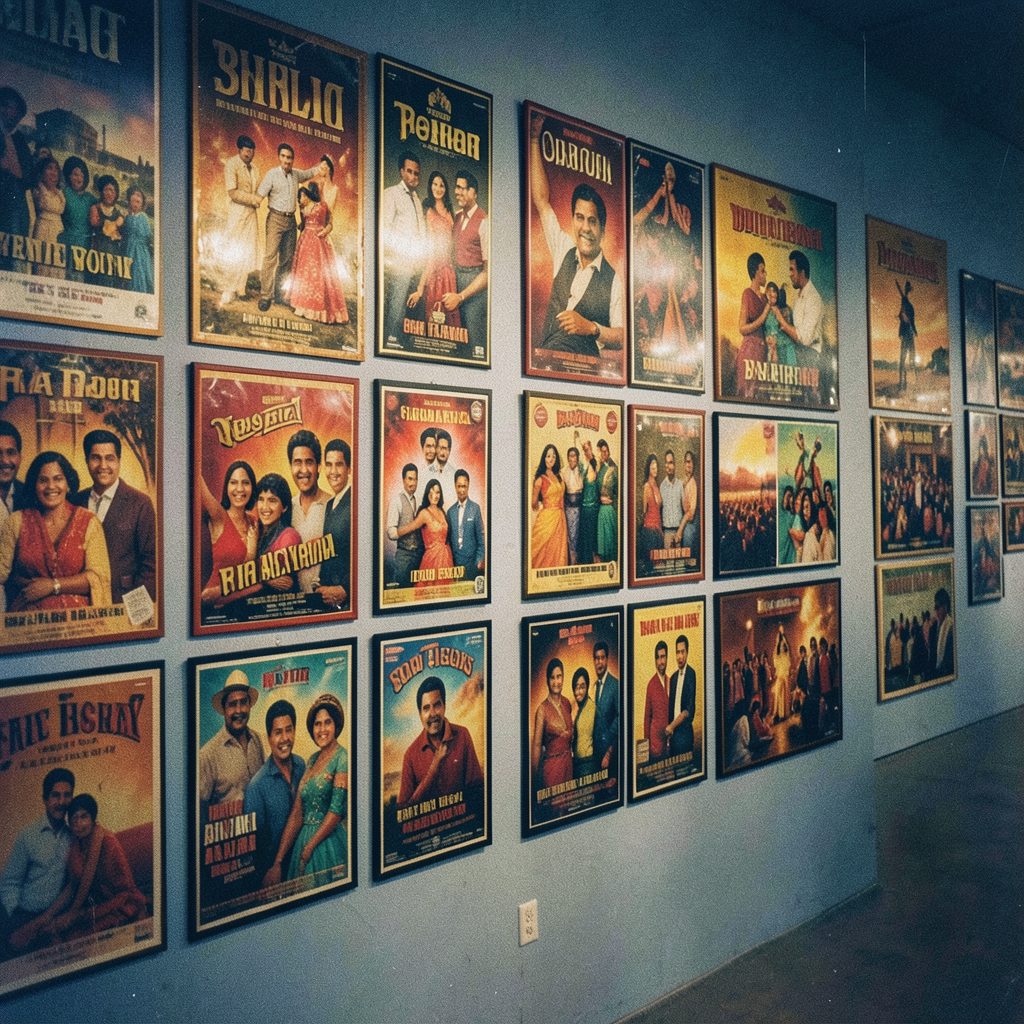
For decades, the Indian film industry ran on a clear hierarchy. Stars acted, financiers bankrolled, and directors called the shots. That pecking order is now being quietly redrawn. A growing roster of A-listers from Mumbai is stepping behind the camera, opening their own production banners, and shaping the kinds of stories that reach Australian telly and streaming apps.
The trend crosses generations. Veterans like Shah Rukh Khan, Aamir Khan, and Akshay Kumar have all run production arms for years, but a fresh wave of younger stars including Ayushmann Khurrana, Taapsee Pannu, and Vicky Kaushal are following suit with smaller, more personal banners. The shift is partly about creative control and partly about surviving a post-pandemic box office that no longer guarantees a hit.
What's driving the move is a mix of economics and ego. Streaming platforms have lowered the barrier to entry. A mid-budget film no longer needs a chain of 1,000 screens to break even. A neat four-episode series on a global platform can turn a profit and build a brand. Stars are realising they can be their own studio heads without the headache of running a back office.
The Australian market is quietly part of this story. With a fast-growing Indian diaspora, and a Punjabi and Hindi-speaking crowd that fills suburban cinemas from Parramatta to Dandenong, Bollywood content travels further than it used to. Aussie fans no longer wait months for a film to land on a local streamer; they watch alongside the rest of the world.
A new generation of actor-producers
Ayushmann Khurrana launched Skidoon Entertainment after a string of socially charged hits, using the banner to back stories about gender identity and mental health. Taapsee Pannu's Cape of Good Films, meanwhile, has focused on female-led projects, including the thriller Blur and the courtroom drama Dobaaraa. Both stars are choosing subjects the big traditional studios would have called too niche.
Vicky Kaushal's production arm, associated with his family's banner, has been more selective, backing only one or two projects a year. The strategy, he has said in interviews, is to stay focused on performance rather than build a sprawling library. It is a quietly ambitious approach that suits his on-screen brand.
Kangana Ranaut, never one to play by the rules, set up Manikarnika Films to retain control over her own biopics and historicals. Her banner has had a rocky rollout, including political pushback that landed her films in trouble with the Central Board of Film Certification, a saga covered in this look at Bollywood's most controversial censorship battles of the last decade.
Creative control and the death of the star system
The old contract between a lead actor and a producer was simple. The studio paid, the actor performed, and the marketing team did the rest. Stars had little say over scripts, casting, or release dates. Their own production houses flip that script. They green-light projects, hire directors, and sometimes even handle overseas distribution themselves.
This matters because Bollywood's middle class is growing up. Audiences in places like Melbourne's Indian heartland in Dandenong, or the film buffs who flock each August to the Indian Film Festival of Melbourne, are now cineastes, not just casual viewers. They want layered stories, not just three-hour family dramas with nine songs.
Shah Rukh Khan's Red Chillies Entertainment has been doing this for two decades, but Khan himself has said the company evolved from a vanity project into a serious studio, with a VFX arm and a content wing. Aamir Khan Productions, similarly, picks one or two films a year and treats each like a prestige event. The result is that being an actor-producer is no longer a side hustle; it is the main game.
Streaming money and the small-screen pivot
A key reason stars are launching their own studios is that the money has moved. Hotstar, Netflix, and Amazon Prime Video have all poured billions into Indian content. Jio Studios, the production arm of the Ambani empire, has become one of the biggest content buyers in the country. Smaller banners now have a real shot at being acquired, distributed, or co-produced.
Australian viewers benefit directly. A show made by Excel Entertainment, Farhan Akhtar and Ritesh Sidhwani's banner, will land on Netflix AU and Stan within weeks of its Indian release. There is no longer a six-month lag while subtitling teams catch up. Binge has even started commissioning original Australian content, and Indian studios are watching that playbook closely.
The economics work for both sides. A streaming giant gets a Bollywood back catalogue and a few exclusive premieres, while a star's production house gets a global footprint without spending a rupee on print and publicity. It is no wonder the next generation of actors, from Alia Bhatt to Rajkummar Rao, are reportedly weighing up their own production arms.
Fashion, branding, and the side hustles
Running a production house is rarely just about films. Stars now treat their banners as part of a wider personal brand. They sign fashion labels, launch beauty lines, and become lifestyle influencers. The same stars whose banners back small indie projects are also showing up on the red carpet in looks that trend across Instagram and Pinterest.
The crossover into fashion is part of the appeal for younger stars. Ayushmann Khurrana, Taapsee Pannu, and Bhumi Pednekar have all been named among the country's best-dressed, and their off-screen wardrobes are studied by fans from Perth to Parramatta. Minimalist dressing, in particular, has caught on, and many of the newer producer-actors favour a pared-back rotation over maximalist Bollywood glamour. Anyone building a tighter closet can pick up a few pointers from this capsule wardrobe guide, which mirrors the aesthetic the stars are now favouring on weekends.
For the studios themselves, this matters. A star with a clean personal brand is easier to launch a film around, and easier to sell to international buyers. The fashion is no longer a side hustle; it is part of the production plan.
The studios side by side
Banners vary wildly in scope, from full-stack studios to quiet vanity projects. Here is how some of the most active actor-led production houses in Bollywood stack up.
| Star | Production house | Launched | Flagship projects | Sweet spot |
|---|---|---|---|---|
| Shah Rukh Khan & Gauri Khan | Red Chillies Entertainment | 2002 | Raees, Badla, Class of '83 | VFX-heavy spectacles and series |
| Aamir Khan | Aamir Khan Productions | 1999 | Lagaan, Dangal, Laal Singh Chaddha | Prestige one-film-a-year model |
| Farhan Akhtar & Ritesh Sidhwani | Excel Entertainment | 1999 | Gully Boy, Inside Edge, Toofaan | Indie cinema and series |
| Ayushmann Khurrana | Skidoon Entertainment | 2021 | Anek, Doctor G | Social-issue stories |
| Taapsee Pannu | Cape of Good Films | 2021 | Blur, Dobaaraa | Female-led thrillers |
| Vicky Kaushal | Kaushal family banner | 2022 | Selected projects | Selective, performance-led output |
| Kangana Ranaut | Manikarnika Films | 2020 | Manikarnika, Thalaivii | Biopics and historicals |
The pattern is clear. Older banners like Red Chillies and Excel run like full studios, with back offices and multiple slates. Newer entrants stay lean, often one or two projects at a time, treating the banner as a creative calling card rather than a profit centre. For the next round of actor-producers, the template is less about empire-building and more about curation.
The Indian film industry is at a tipping point. A-listers no longer need a big studio to green-light a passion project; they can launch it themselves, find a streaming partner, and let the algorithms do the rest. For Australian fans, the practical effect is more choice, more subtitles, and more chances to spot your favourite star's logo at the start of a film. Next time you settle in for a Sunday arvo session, the production banner flashing on screen might just belong to the actor whose career you have been following for two decades.