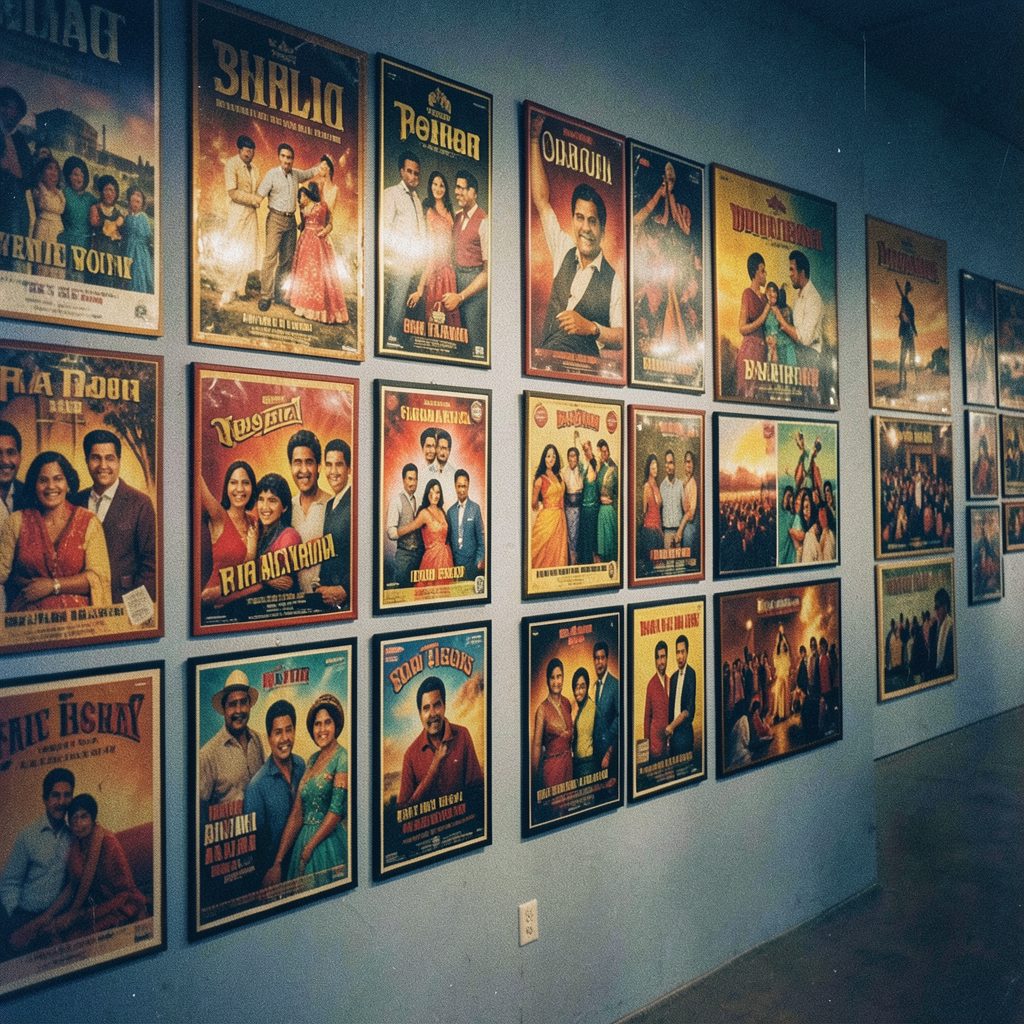

How Bollywood labels are making regional fusion mainstream
Bollywood’s sound is becoming more multilingual, rhythmically adventurous and digitally adaptable. Hindi film songs now borrow from Punjabi folk, South Indian dance music, Marathi percussion, Bengali melody, Rajasthani instrumentation and independent regional pop. The result is a mainstream soundtrack designed to travel beyond a film’s original language and audience.
Music labels are driving this shift through collaborations, remixes, short-form video campaigns and streaming data. A hook that works in Mumbai can quickly find listeners in Melbourne, Sydney or Brisbane, especially when its beat is easy to dance to and its chorus crosses language barriers.
For Australian fans, this change is visible in Spotify playlists, YouTube recommendations, Indian weddings and Bollywood dance classes. The Hindi cinema market here is supported by a large South Asian diaspora, regular theatrical releases and audiences comfortable moving between languages. Regional fusion is therefore becoming a commercial strategy rather than a novelty.
| Fusion approach | Common musical ingredients | Why it works for mainstream audiences | Typical audience response |
|---|---|---|---|
| Punjabi-Hindi crossover | Dhol, bhangra bass, rap and catchy Hindi refrains | Strong dance-floor energy and instant recognition | Wedding playlists, reels and club sets |
| South Indian-Hindi blend | Electronic percussion, folk rhythms and call-and-response hooks | High-impact choreography and pan-Indian appeal | Viral dance challenges and dubbed-film interest |
| Folk-pop adaptation | Local instruments, traditional scales and modern production | Keeps cultural identity while sounding contemporary | Curiosity, repeat listening and regional pride |
| Rap-led collaboration | Multilingual verses over a shared beat | Gives artists distinct identities and social-media quotability | Fan edits, streaming spikes and creator remixes |
| Acoustic fusion | Folk vocals, guitars, strings and restrained electronic layers | Suits romantic films and relaxed listening | Playlists, covers and live performances |
Why labels are looking beyond Hindi
The economics of streaming have encouraged labels to treat India as a network of music markets rather than a single Hindi-speaking territory. A song can gain momentum in Kerala, Punjab or Andhra Pradesh before being introduced to a national audience through a film trailer, dance number or high-profile remix.
Regional artists also bring established fan communities. A Tamil singer, Punjabi rapper or Marathi folk ensemble may already have loyal listeners on YouTube and Instagram. When a Bollywood label connects that artist with a Hindi composer, it gains access to a new audience while giving the regional performer greater visibility in metropolitan markets.
This strategy is especially useful when a soundtrack needs to support a large theatrical release. A multilingual hook can be promoted through separate lyric videos, translated captions and location-specific influencer campaigns. The same track may appear in different edits without losing its central beat.
The sound of a pan-Indian hook
The most successful fusion songs usually preserve one unmistakable identity. That might be a Punjabi dhol pattern, a Tamil folk chant, a Gujarati garba rhythm or a distinctive vocal texture. Producers then place the regional element inside a polished pop structure with a short intro, a memorable chorus and a beat that suits visual choreography.
Recent pan-Indian successes have shown how quickly regional musical ideas can move into Hindi entertainment. The global response to Telugu cinema songs helped labels recognise the value of local rhythm systems, native vocal styles and culturally specific dance movements. A Hindi soundtrack can now borrow from these traditions without treating them as background decoration.
The process is also shaped by creators who sample sounds from older cinema and folk recordings. Before a familiar melody is reused, labels must consider ownership, licensing and performer rights. Fans exploring new sounds may encounter specialist digital archives such as regional music resources alongside official streaming releases, although commercial songs should always be heard through authorised platforms.
Digital platforms reward musical hybridity
Short-form video has changed the way a hit is constructed. A song may be tested through a fifteen-second teaser before the complete recording is released. Producers listen for the moment that can support a dance move, a meme, a transition video or a celebrity performance. Regional phrases often perform well because they sound distinctive even to listeners who do not speak the language.
YouTube remains important for full songs, lyric videos and behind-the-scenes material, while Spotify, Apple Music and JioSaavn help labels measure repeat plays. Instagram and other social platforms reveal where a track is travelling geographically. If a chorus is being used by creators in Sydney, Auckland and Dubai, a label can adjust advertising and performance bookings accordingly.
Australia offers a useful example of this network effect. Bollywood listeners in Melbourne may discover a song at a dance school, while audiences in Sydney encounter it through a wedding DJ or a film screening. Local playlists often mix Hindi film music with Punjabi pop, Tamil hits, Telugu songs and Western chart music, making fusion feel natural in everyday listening.
Australian audiences are part of the growth story
Indian cinema has a visible presence in Australian cities, especially Melbourne and Sydney, where community events, university societies and dance studios create regular demand for Bollywood music. Perth, Brisbane and Adelaide also support touring performers and film audiences, though release strategies may differ according to venue size and local community networks.
The market is shaped by practical habits. Many listeners use headphones during public transport commutes, play streaming playlists at home gatherings and save songs for wedding choreography. A track that offers a clean instrumental break or a recognisable dance section can therefore travel from a film promotion to a sangeet rehearsal or a weekend event.
Australian regulation also affects how music is distributed and performed. Copyright law governs sampling, public performance and the use of recorded music at commercial venues, while consumer and privacy rules influence digital advertising. Labels promoting concerts must work with local venues, ticketing systems and classification requirements where film-related events include screening content. These details encourage official licensing and clearly attributed releases.
For Australian fans, regional fusion can also provide a bridge into films they might otherwise overlook. A catchy song may lead listeners from a Hindi playlist to a Telugu action drama, a Punjabi independent album or a Malayalam soundtrack. Music often becomes the first point of contact with a wider Indian film culture.
Collaboration is becoming a marketing engine
Labels are increasingly pairing established playback singers with independent rappers, folk performers and composers from outside the traditional Mumbai system. The collaboration itself becomes news content, giving entertainment websites, radio presenters and social creators a reason to discuss the song before its video arrives.
These partnerships can take several forms. A producer may retain a folk melody and update its arrangement, place a regional singer on the chorus, or commission separate language versions for different markets. Some labels also invite DJs and electronic producers to reshape film songs for clubs, festivals and fitness playlists.
The strongest collaborations respect the source tradition. A token vocal phrase added to a generic pop track may attract initial attention but rarely creates lasting interest. Audiences respond more positively when the arrangement gives regional musicians real creative space and when the lyrics avoid reducing a language or culture to a decorative slogan.
What makes a fusion release memorable
- A chorus that remains easy to sing across language boundaries
- Regional instruments recorded clearly rather than buried under heavy production
- A meaningful role for the collaborating artist
- Choreography that reflects the song’s cultural rhythm
- Official credits for composers, lyricists, performers and sampled material
- Multiple edits suited to films, streaming playlists and short-form video
Where the trend may go next
The next phase will likely involve more regional independent artists entering film soundtracks without abandoning their original style. Labels have learned that authenticity can be commercially useful when it is supported by strong production, accessible visuals and well-timed promotion. This could lead to more Bengali-Hindi ballads, Marathi electronic folk, northeastern influences and collaborations with artists working outside major film centres.
There is also room for quieter forms of fusion. Not every successful song needs a giant dance beat. Acoustic arrangements, devotional textures, folk harmonies and regional lullaby traditions can add emotional depth to romantic dramas and character-led films. These songs may build their audience gradually through playlists, covers and live performances rather than a single viral moment.
For Bollywood, the advantage is flexibility: one soundtrack can serve a Hindi theatrical audience, regional streaming markets and overseas communities at the same time. For listeners in Australia, it means a richer playlist that reflects the country’s multilingual social life. The practical takeaway is simple: follow the original artists and official releases alongside the film versions, because the most exciting regional fusion often begins outside the Bollywood spotlight.