Bollywood Merchandising Is Moving Beyond Action Figures
Bollywood merchandise is entering a broader, more flexible phase. For years, the most recognisable licensed products were action figures, toy vehicles and character dolls, often designed for children. Today, Hindi cinema brands are being translated into clothing, home décor, stationery, jewellery, food packaging, digital collectibles and limited-edition fan experiences.
This change reflects how audiences connect with films. A blockbuster is no longer experienced only in a cinema, on a television channel or through a DVD collection. Fans follow trailers, songs, celebrity interviews, posters, social media clips and behind-the-scenes content. Every part of that journey can become a merchandising opportunity.
The shift is especially relevant in Australia, where Indian communities in Sydney, Melbourne, Brisbane and Perth support a growing market for Hindi-language entertainment. Bollywood products now need to work as fashion statements, gifts and cultural keepsakes, while fitting local shopping habits, shipping costs and Australian consumer regulations.
| Traditional merchandise | Emerging merchandise |
|---|---|
| Character action figures | Streetwear, sneakers and accessories |
| Children’s toys | Collectible posters, vinyl records and art prints |
| Mass-produced products | Numbered and limited-edition releases |
| Physical ownership | Digital downloads, filters and fan memberships |
| Film-specific branding | Wider celebrity, music and lifestyle identities |
From Characters To Complete Film Worlds
Action figures depend on a simple proposition: fans want to own a miniature version of a favourite character. That still works for fantasy, superhero and animated films, yet many Hindi releases are built around romance, music, family drama, celebrity appeal or historical spectacle. Their merchandising potential lies in the atmosphere of the film rather than a single hero.
A period drama can inspire embroidered textiles, illustrated books and jewellery influenced by its costumes. A romantic musical may lead to playlists on vinyl, lyric posters, perfume collaborations or wedding-inspired fashion. Even a comedy can produce mugs, phone cases and kitchen items based on memorable dialogue or visual motifs.
Celebrity culture has expanded this model. Audiences often follow the actor, director and stylist across several projects, so a merchandise range can live beyond one release date. The relationship between publicity and product design is also becoming more visible, as industry coverage such as the casting conversation shows how entertainment personalities shape audience interest before a film reaches cinemas.
Fashion Makes Fandom Wearable
Clothing is one of the strongest alternatives to traditional film toys because it allows fans to display their interests in everyday settings. Graphic T-shirts, varsity jackets, scarves and caps can use a film title, a song reference, a colour palette or a stylised poster without reproducing a character literally.
Designers are also borrowing details from Bollywood costume departments. Sequins, mirror work, bold tailoring, ornate borders and jewel tones can be adapted into more practical garments. This creates a bridge between film promotion and Indian fashion, particularly during Diwali, wedding season and university cultural events.
Merchandising formats with strong potential include:
- Limited-run T-shirts inspired by iconic songs
- Enamel pins featuring illustrated film posters
- Tote bags using retro Hindi cinema typography
- Costume jewellery linked to a period film
- Scarves and jackets based on a movie’s colour palette
The Australian market gives this category a useful setting. A fan in Melbourne may wear a film-inspired jacket to a community celebration, while a Sydney customer may buy a poster or tote at a cinema event rather than order a bulky collectible from overseas. Products that are lightweight, useful and easy to ship can be more attractive than large figurines carrying high freight costs.
Collectibles Gain Value Through Design
Physical collecting has not disappeared; it has become more selective. Instead of a shelf filled with standard action figures, fans may prefer signed posters, numbered art prints, soundtrack records, illustrated scripts, replica props or premium editions of film photography. Scarcity and presentation can make these items feel closer to design objects than children’s toys.
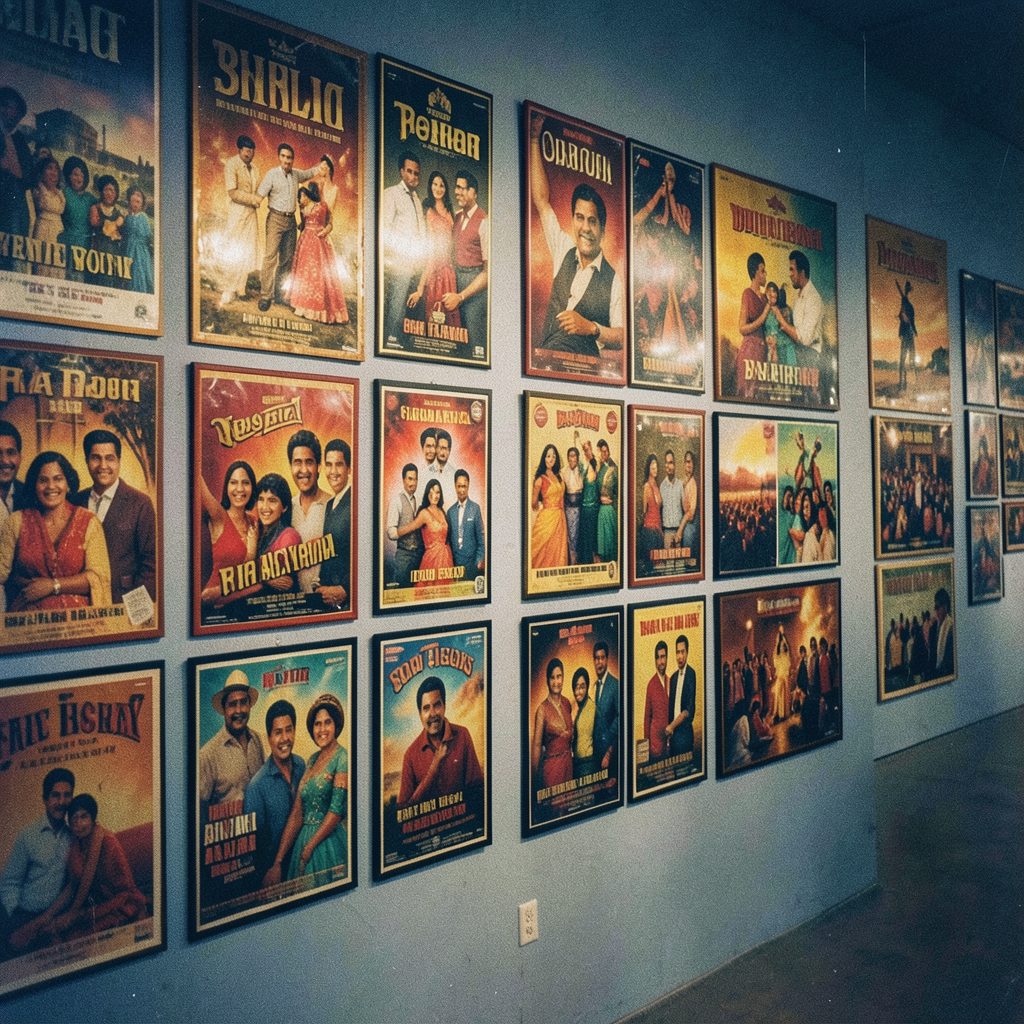
This approach also suits Bollywood’s rich visual archive. Classic film posters can be restored and printed as wall art, while contemporary releases can offer alternate poster designs, behind-the-scenes stills and director-approved artwork. A well-produced item can appeal to cinema fans, interior design enthusiasts and collectors of Indian popular culture at the same time.
The most effective collectible ranges often share several qualities:
- A clear connection to a memorable film moment
- High-quality printing, stitching or materials
- Numbered editions with transparent production details
- Packaging that protects the item and suits gifting
- Artwork that looks attractive outside a fan’s bedroom
Retail placement matters as much as design. Products may appear in multiplex foyers, specialist Indian grocers, pop-up markets or online stores. Australian buyers are accustomed to comparing delivery times and return policies, so licensing partners need to explain whether an item ships locally, includes GST and complies with consumer guarantees.
Digital Fandom Expands The Product Shelf
Digital merchandising gives film studios a way to reach fans without manufacturing, warehousing or international postage. Animated stickers, phone wallpapers, social filters, downloadable poster packs and exclusive soundtrack content can be released around a trailer, song launch or streaming premiere.
These products are especially useful for younger audiences who express fandom through profiles, short videos and messaging apps. A digital pack based on a film’s typography or dance hook may travel further than a physical advertisement because users actively place it into their online conversations.
The wider online movie-search ecosystem, including film discovery sites, also shows how audiences move between trailers, release information and viewing discussions. For rights holders, that movement creates a need for clear official destinations where fans can find legitimate artwork, music, merchandise and release updates in one place.
Digital products still need strong creative direction. A generic wallpaper with a logo has limited value, while an illustrated scene, a beautifully animated title treatment or a downloadable songbook can feel intentional. Digital ownership also works best when it gives fans something they can use, share or revisit rather than simply placing a brand on a screen.
Australian Buyers Need Local Relevance
Australia is not a single uniform market. Sydney and Melbourne have large South Asian communities and established cinema audiences, while Brisbane, Adelaide and Perth can respond well to targeted events, university groups and regional touring promotions. A merchandise programme should account for these differences instead of treating the country as one national retail zone.
Local timing is important. Diwali promotions, school holidays, wedding expos and major Hindi film releases can create useful sales windows. Cinemas may test small product displays during opening weekends, while community events can provide a more personal setting for apparel, jewellery and art prints.
The Australian Classification Board also shapes how films and promotional material are presented. Merchandise aimed at children should be clearly separated from products linked to mature themes, and marketing claims need to remain accurate. Sustainable packaging, reliable fulfilment and transparent returns matter in a market where customers may be ordering from interstate or paying premium international postage.
Measuring Value Beyond Opening Weekend
Merchandise can extend a film’s commercial life after its cinema run. A song-themed clothing drop may arrive during the music campaign, a poster collection can support the theatrical release, and a homeware collaboration may appear when the title reaches streaming platforms. This staggered approach keeps the property active across several entertainment cycles.
Studios and licensees can measure success through more than units sold. Useful indicators include repeat purchases, social sharing, conversion from trailer viewers, attendance at pop-up events and the number of customers who buy products from multiple films. These signals reveal whether a release has created a durable fan community or merely generated short-lived curiosity.
The next stage will likely combine physical and digital ownership: a printed poster with a scannable soundtrack, a jacket linked to exclusive behind-the-scenes footage, or a collector’s box tied to a cinema screening. For Bollywood, this creates room for merchandise that reflects music, fashion, celebrity and visual storytelling in equal measure. The practical next step is to pilot one lightweight, locally fulfilled product around a major Australian Hindi-film release and track sales across its first four weeks.