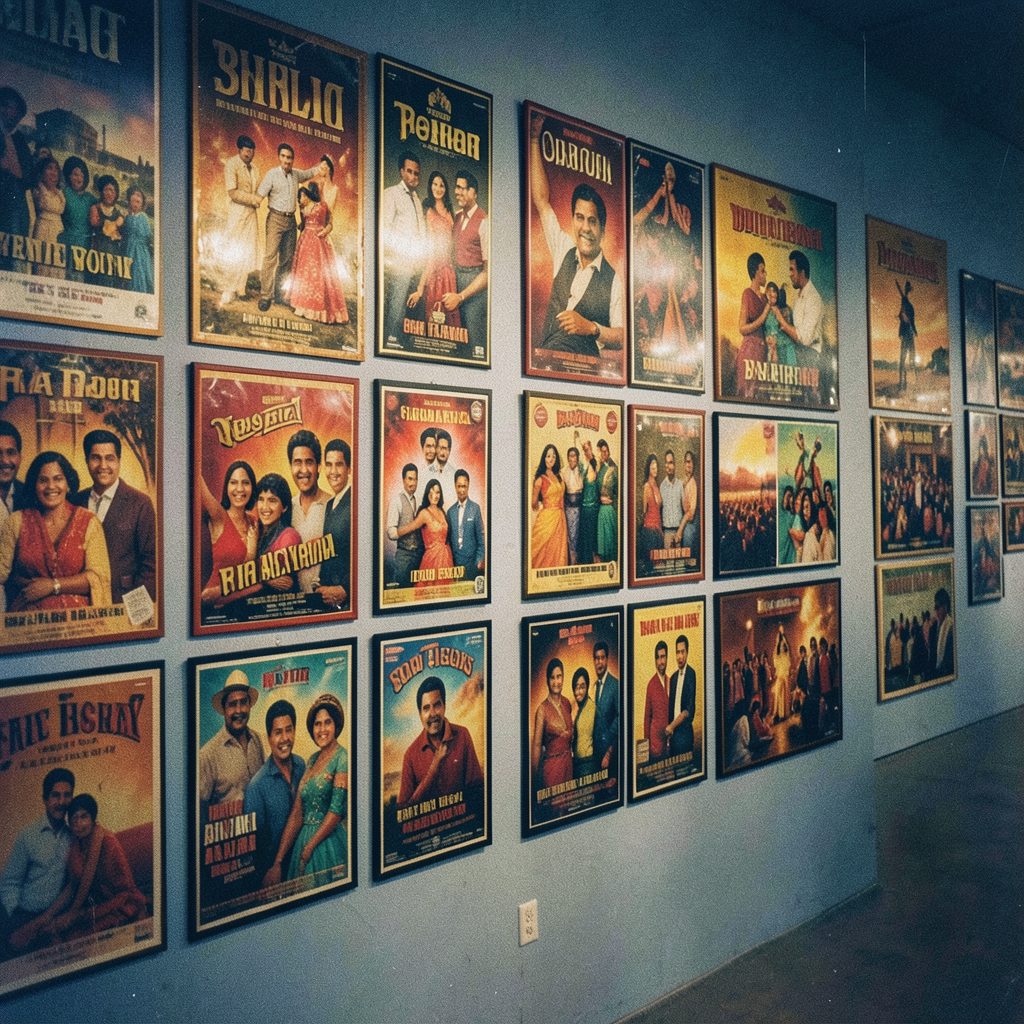

How Overseas Bollywood Screenings Are Driving Diaspora Tourism
A Bollywood screening abroad can be far more than a convenient night at the movies. For Indian communities living overseas, a major release may become a cultural gathering, a chance to dress up, meet relatives and revisit memories connected with Hindi cinema. When screenings include cast appearances, live music, food stalls or themed displays, they can also encourage people to travel between cities and plan holidays around film events.
This trend is especially visible in Australia, where a large Indian diaspora supports regular Hindi-language releases in Sydney, Melbourne, Brisbane, Adelaide and Perth. Cinema chains, independent venues and community organisers are turning film launches into social occasions, while travel companies connect that enthusiasm with trips to Mumbai, Delhi, Rajasthan and other places associated with Bollywood production.
Screenings Have Become Cultural Gatherings
A standard cinema release usually depends on nearby audiences filling seats over several days. A high-profile Bollywood premiere works differently when it is promoted as an event. Fans may travel from regional areas, book restaurants before the show and organise group transport to attend the first available screening. For younger Australians of Indian heritage, the occasion can feel like a bridge between their everyday life and family culture.
The attraction grows when distributors arrange red-carpet arrivals, live video links with stars, dance performances or special interval entertainment. These additions give audiences a reason to choose a particular venue rather than wait for a streaming release. They also create photographs and social media posts that extend the event beyond the cinema foyer.
In Melbourne, a screening in the eastern suburbs can draw families from the northern suburbs and regional Victoria. Sydney audiences may travel from Parramatta, Harris Park or the south-west to attend a gala show in the CBD. This movement turns film consumption into a small form of domestic tourism, with spending on transport, meals, shopping and accommodation.
Australian Diaspora Audiences Have Distinct Habits
Australia’s Indian community is diverse, including people with family connections to Punjab, Gujarat, Maharashtra, Kerala, Tamil Nadu, Bengal and many other regions. Hindi cinema reaches across some of these differences through familiar stars, music and visual spectacle, while local community networks help spread information about special screenings. Word-of-mouth still matters, even when the original announcement arrives through Instagram or WhatsApp.
The market also reflects Australian routines. A Friday-night premiere must compete with sport, school activities and long commutes, while a Sunday afternoon show can suit extended families. People may describe a successful event as “a proper night out” or say the cinema was “absolutely packed”, especially when audiences have driven from outer suburbs or nearby towns.
Independent cinemas and multiplexes both have a role. Chains such as HOYTS and Village Cinemas provide scale and digital projection, while local venues can offer a more intimate community atmosphere. In Brisbane and the Gold Coast, screenings may attract audiences from a wide suburban area because Indian-language programming is less frequent than in Melbourne or Sydney.
Film Events Create Routes Beyond The Cinema
Once a screening becomes a meeting point, it can influence travel decisions. Fans who attend a premiere may later join a Bollywood-themed tour of Mumbai, visit film studios or explore locations seen in songs and action sequences. Some travellers add these experiences to a family trip, while others plan an itinerary around festivals, celebrity events or the release of a highly anticipated film.
The appeal is emotional as well as commercial. Visiting India after years abroad can involve reconnecting with relatives, eating regional food and seeing neighbourhoods remembered from childhood. A film adds another layer to that journey by providing a visual map of places that may otherwise feel unfamiliar. Forts, markets, palaces and coastal landscapes become recognisable through repeated appearances on screen.
Travel operators can build on this interest with packages that combine cinema-related stops with conventional sightseeing. A Mumbai itinerary might include a studio tour, a guided walk through historic districts and a visit to a live song-and-dance performance. Rajasthan packages can connect palace architecture seen in period dramas with local craft markets and heritage hotels.
Storytelling Turns Places Into Destinations
Bollywood has long influenced how overseas audiences imagine India. A musical filmed beside a lake, a chase through a crowded market or a romantic scene in a grand palace can make a location memorable before a viewer has ever visited it. When fans later travel, they often seek the atmosphere of the scene rather than simply ticking off a landmark.
The connection is particularly powerful for diaspora visitors. A second-generation Australian may recognise a city through films before making a first trip there. Screenings abroad provide the shared conversation that precedes travel: friends compare locations, discuss the latest trailer and exchange family stories about India. Coverage such as this trailer analysis can deepen that connection by explaining the themes, settings and style audiences are about to see.
Film tourism also spreads attention beyond the most famous attractions. Producers who shoot in smaller cities, coastal towns or heritage districts can introduce audiences to places outside the usual Delhi-Agra-Jaipur route. Local councils and tourism agencies may then promote those areas through location maps, guided walks and festival partnerships.
What Encourages Fans To Travel
The strongest tourism effect usually comes from several features working together rather than from the film alone. A popular star creates attention, but practical arrangements determine whether that attention becomes a booking. Clear screening information, accessible transport and a compelling local programme can make an event feel worth the effort.
Features That Increase Event Appeal
- Cast appearances, live-streamed conversations or filmmaker sessions
- Regional food stalls and music performances near the cinema
- Dress themes linked to a film’s costumes, songs or setting
- Group ticketing for families, student societies and community clubs
- Partnerships with Indian restaurants, travel agencies and cultural festivals
For Australian audiences, timing and convenience are decisive. A late weekday show may suit dedicated fans but exclude families travelling from western Sydney or outer Melbourne. A weekend matinee, nearby parking and public transport access can widen the audience. In Adelaide, Perth and Canberra, where screenings may be less frequent, an event can draw visitors from surrounding suburbs and regional centres.
The value continues after the film finishes. A venue may distribute information about India travel, heritage tours or upcoming cultural festivals. A restaurant can offer a themed menu, while a local dance school may promote classes connected with the soundtrack. These links turn a single screening into part of a longer cultural and tourism economy.
The Opportunity For Australian Cinema And Travel Brands
Distributors can use overseas screenings to test which cities and audiences are most responsive before expanding a release. Ticket sales reveal where demand is concentrated, while social engagement shows whether audiences respond more strongly to music, fashion, action, romance or a particular star. This information can support better scheduling and more targeted promotion.
Tourism businesses can also work with cinemas without making the event feel like a hard sell. A short display of filming locations, a destination competition or a talk from an Australian travel writer may be more effective than a stack of brochures. Partnerships with multicultural media, SBS programming and community radio can reach audiences who follow both entertainment news and local events.
Tourism Connections Worth Developing
- Film-location maps for Mumbai, Hyderabad, Rajasthan and Kerala
- Screening bundles with restaurant bookings or cultural performances
- Weekend packages from Melbourne, Sydney or Brisbane to major events
- Family itineraries that combine relatives’ visits with film heritage sites
- Local walking tours focused on costumes, music and production design
There is also a role for state tourism bodies and venue managers. A Bollywood event in Melbourne could connect with shopping and dining around Dandenong, while a Sydney programme might link Parramatta’s Indian businesses with central-city screenings. Queensland could promote Gold Coast venues as part of a broader entertainment break, particularly during school holidays.
From Audience Excitement To Lasting Travel
Diaspora tourism grows when audiences feel that their cultural interests are visible and respected. A well-run screening gives people a shared place to celebrate Hindi cinema, while the film itself can inspire curiosity about landscapes, cities and family histories. The result is a cycle: overseas enthusiasm supports theatrical releases, theatrical events strengthen community ties, and those ties can lead to travel across India and within Australia.
The model must remain authentic. Audiences are quick to notice when cultural references are used only as decoration, and travel promotions need to acknowledge regional differences rather than presenting India as a single cinematic backdrop. Sustainable partnerships should support local businesses, protect heritage locations and give visitors meaningful contact with communities.
For fans, the journey may begin with a premiere at a nearby multiplex but continue through a restaurant booking, a city-to-city weekend or a future trip to a filming location. For the industry, the practical next step is to pair the next major Australian Bollywood screening with a verified location guide and a bookable weekend itinerary.