Revival of Heritage Weaves in Bollywood Costume Design
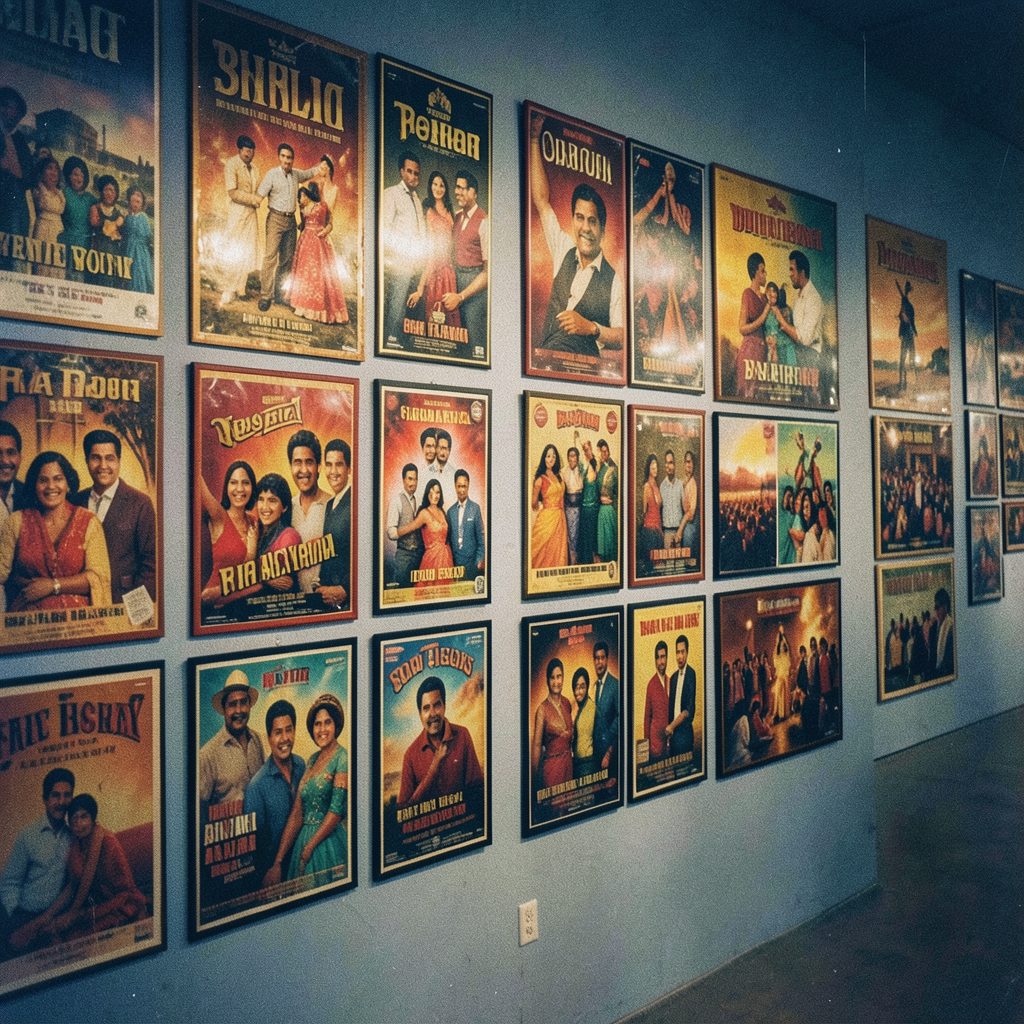
Bollywood films have always doubled as a runway for Indian craftsmanship, but a quiet shift is happening in how costume departments source their fabrics. Directors and designers who once leaned heavily on mill-made cloth are now trekking to village clusters, commissioning saris from master weavers and placing the names of these artisans in the closing credits. The result is a cinematic wardrobe that doubles as a cultural manifesto, one where the warp and weft of a Banarasi brocade can carry as much storyline as a monologue.
For audiences watching from Australia, this revival feels especially resonant. Indian communities across Parramatta, Harris Park and the suburbs ringing Dandenong have long kept heritage craft alive through weddings and festivals, while streaming services from Sydney to Perth now put these richly textured films on screens every weekend for around fifteen Australian dollars a month. The garments that once travelled only as heirlooms are arriving as carefully styled costume beats.
The Cultural Pull of Indigenous Textiles
Handwoven cloth in India has always carried meaning beyond aesthetics. A Phulkari from Punjab signals marital joy, a Tangail speaks of Bengal's riverine trade, and the slow shine of a Kanjivaram has long been shorthand for South Indian ceremony. When costume designers reach for these textiles on screen, they are tapping into a vocabulary their audiences already understand. Veteran stylist Neeta Lulla, working on the period drama Devdas, spent months coordinating between Mumbai studios and Varanasi workshops to recreate the heavy zari borders the film's aesthetic demanded.
Newer names are following that playbook with sharper intent. For films such as Tanhaji and the Ponniyin Selvan saga, designers leaned on textile archives maintained by regional handloom boards, insisting on silk spun in Kanchipuram rather than substitutes woven in Surat. The garments in these productions are not nostalgic props but deliberate choices that reframe the country's craft lineage as living, evolving craft rather than museum pieces.
From Loom to Spotlight: The Designer-Weaver Connection
What sets this current movement apart is the network stitched together behind the camera. Designers like Anaita Shroff Adajania, Payal Khandwala and Rimple Narula are now writing extensive mood boards that go straight to cooperative societies in Bhagalpur, Paithan and Chanderi. They visit the looms in person, photograph the artisans who finish the pallus and often introduce them at premieres. The Telugu period film industry has been particularly active here, sourcing from Padmavati weavers and Pochampally clusters for outfits that pass the same six-metre camera test as the lead actor's close-up.
The economics of this approach have also matured. Many Indian state governments now subsidise yarn costs for film commissions, while national award juries increasingly credit costume work that foregrounds indigenous textile labour. Younger designers who grew up attending block-printing workshops in Jaipur now treat these projects as career-defining rather than niche, and the films themselves publicise the sourcing on social media the same way Australian fashion labels tag their local makers in lookbooks.
Traditional Weaves Returning to Recent Films
| Weave | Region of Origin | Notable Recent Appearance | Distinctive Visual Cue |
|---|---|---|---|
| Banarasi Silk | Uttar Pradesh | Kalank (2019), Kabir Singh wardrobe | Heirloom gold zari brocade |
| Kanjivaram | Tamil Nadu | Ponniyin Selvan I & II | Deep contrasting borders |
| Chanderi | Madhya Pradesh | Lust Stories segment | Sheer, light-catching drape |
| Banarasi Tanchui | Bihar (Bhagalpur) | Web-series period dramas | Matka silk with stitched motifs |
| Paithani | Maharashtra | Marathi period productions | Peacocks and lotus in gold thread |
Banarasi, Chanderi and Kanjeevaram: Weave Spotlights Reimagined
The Banarasi sari of Kabir Singh did what many cultural texts could not: it reminded a younger streaming audience that the labour behind a single pallu can stretch across thirty days of warp preparation. Costume designer Sheefa Acharya drew attention from Indian Vogue Australia editors when she revealed that the song sequence alone consumed ten custom pieces, each commissioned from weavers her family had known across three generations.
Chanderi, with its featherweight gossamer weave, has had a quieter but equally significant revival. Designer Payal Khandwala used the fabric in Dil Dhadakne Do to signal the breezy, ocean-going chapter of the cruise scenes, and the way her Chanderi kurtas behaved under real sunlight off Mumbai harbour gave viewers a masterclass in how texture influences mood. Kanjivaram, meanwhile, has migrated off brides and onto kings, with the Ponniyin Selvan duo bringing temple-town weaving traditions into IMAX-ready battle scenes that travelled well to festival screenings at Indian Film Festival Melbourne and Brisbane's Cine100 Bollywood nights.
Australian Echoes: How Local Audiences Connect with These Costume Choices
For viewers in Sydney and Melbourne, the costumes resonate with a different kind of recognition. Harris Park markets have shifted at least twenty per cent of their week-day foot traffic to residents scouting handloom stalls in person, the same textile vocabulary now powering retail displays at fusion labels stocked at Collins Street boutiques and at Indian-themed pop-ups during Melbourne Fashion Week. Australian Screen Production Incentive conversations routinely cite Bollywood's textile economy when arguing for local craft credits, while costume students at the National Art School and Whitehouse Institute of Design borrow Banarasi saris from textile libraries curated in partnership with Sydney's Powerhouse Museum.
What makes the connection tangible is the feedback loop in neighbourhoods like Parramatta, where grandparents continue to wear freshly woven saris to temple gatherings that visitors often mistake for film sets. Production companies increasingly scout these suburbs as filming locations in their own right, and the resulting footage ends up edited back into Indian productions that Australian subscribers stream shortly after. The viewers are, in a sense, checking the accuracy of screen couture against the saris being draped just a few kilometres from their homes.
Crafting for the Camera: The Practical Demands of Screen-Ready Weaves
Filming a handwoven garment is not the same as wearing one. Under harsh studio lights, silk can flare, brocades can read as flat, and dyes with natural indigo or turmeric can shift tone unexpectedly. Costume departments have responded by investing in textile stabilisers, hand-stitched linings and on-set weavers who can repair a broken zari border between takes. Designers are now trained to order three variants of the same sari, only one of which appears on camera while the others serve as backups for stunts or wide shots.
There is also a growing archival instinct. Where older productions simply rolled wardrobe into storage after wrap, contemporary designers catalog every commissioned piece, photograph the artisan attribution and donate unsold lengths to design schools. The practice has begun to ripple beyond India, with Australian institutions such as RMIT's School of Fashion and Textiles in Melbourne incorporating Bollywood costume studies into their postgraduate electives.
What Readers Should Carry Away
A costume choice in a song sequence or a courtroom scene may look decorative, yet it often signals the priorities of an entire production house. The recent turn toward heritage weaving in Hindi cinema is partly about storytelling, partly about politics, and partly about protecting looms that might otherwise have vanished. Audiences who tune in from Australia, whether through a streaming queue in Adelaide or a packed preview theatre in Parramatta, are watching the country's craft traditions shape-shift into a register that travels across continents. The cloths on screen are no longer decorative, they are documents of who made them and why.