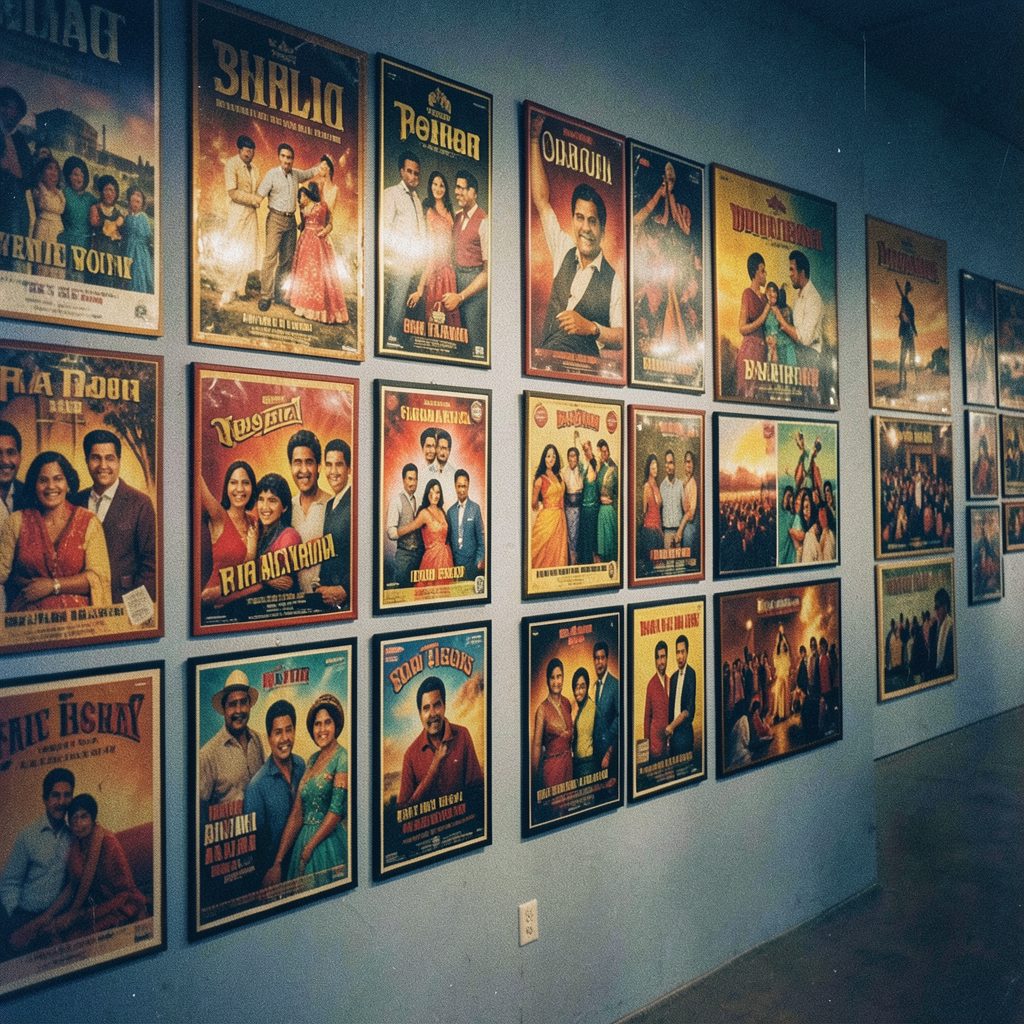

A guide to Bollywood's most memorable catchphrases
Bollywood has a special talent for turning a few spoken words into shared cultural shorthand. A dramatic threat, a comic complaint or a romantic promise can leave the cinema with the audience and reappear at weddings, cricket matches, family dinners and social media debates.
The most memorable dialogues are rarely famous by accident. Their rhythm, performance, situation and emotional clarity make them easy to repeat. For Australian fans, these lines also travel through diaspora communities, subtitled screenings and streaming platforms, gaining fresh meaning in Melbourne, Sydney, Brisbane and beyond.
How a line escapes the screenplay
A dialogue becomes a catchphrase when it works outside its original scene. “Mogambo khush hua” from Mr India is a perfect example: the villain’s triumphant declaration is so distinctive that it can be used whenever someone is pleased with a result. The words carry the character’s personality even when the film is not being discussed.
“Kitne aadmi the?” from Sholay has a similar power. In the film, Gabbar Singh demands information with menace. In everyday conversation, the line can become a playful way to ask how many people attended an event or how many opponents were involved. The context changes, but the dramatic flavour remains.
The voices behind the most repeated lines
A great dialogue needs an actor who can give it shape. Amitabh Bachchan’s deep delivery made lines from Shahenshah and Don sound larger than life, while Amrish Puri turned Mogambo into one of Hindi cinema’s most recognisable villains. Their pauses and facial expressions are part of the quotation.
Shah Rukh Khan brought a different energy to romantic and motivational dialogue. “Bade bade deshon mein aisi choti choti baatein hoti rehti hain” from Dilwale Dulhania Le Jayenge turns a small mistake into a reassuring lesson. The line remains popular because it is humorous, forgiving and instantly understandable, even for viewers who know only basic Hindi.
Why simple Hindi travels so widely
Catchphrases often rely on accessible vocabulary and a strong musical rhythm. “Picture abhi baaki hai mere dost” uses familiar words, but its arrangement creates suspense and optimism. It can describe a film twist, a sports comeback or a long-running family argument.
Translation also helps these lines cross language barriers. Streaming subtitles, dubbed releases and fan edits give audiences a route into Hindi cinema, while the original sound preserves the punch. On a Saturday night in Sydney or during a Diwali gathering in Melbourne, a line may be repeated in Hindi, explained in English and then adapted into local slang.
The Bollywood film reviews on Wassupbollywood provide useful context for understanding how dialogue works alongside performances, direction and genre. A quote rarely stands alone; its impact depends on the scene that gives it emotional weight.
A quick guide to enduring Bollywood quotations
| Catchphrase | Film | Main effect | Everyday use |
|---|---|---|---|
| “Mogambo khush hua” | Mr India | Villainous delight | Celebrating a win or surprise |
| “Kitne aadmi the?” | Sholay | Comic intimidation | Asking about numbers |
| “Don ko pakadna mushkil hi nahin, namumkin hai” | Don | Mythic confidence | Describing an elusive person |
| “Bade bade deshon mein…” | Dilwale Dulhania Le Jayenge | Reassurance through humour | Excusing a small mistake |
| “All is well” | 3 Idiots | Anxiety relief | Calming a stressful situation |
| “Picture abhi baaki hai…” | Om Shanti Om | Suspense and hope | Signalling an unfinished story |
The table shows why variety matters. Some lines are comic, some threatening and others comforting, yet all have a clear emotional function. A phrase becomes memorable when people know when to use it, not simply when they remember where it came from.
From cinema dialogue to everyday shorthand
“All is well” from 3 Idiots became especially powerful because it expresses a simple coping mechanism. The characters use it to face pressure, failure and uncertainty. Students in Australia may use the phrase around exam season, while parents may repeat it when a complicated family plan starts to unravel.
“Rishte mein toh hum tumhare baap lagte hain” from Shahenshah has a more theatrical appeal. It is a boast about status and authority, which makes it ideal for playful use among friends. The line is often delivered with an exaggerated gesture, proving that body language can be as important as vocabulary.
In Australia’s multicultural media market, these quotations move between private and public spaces. Hindi-speaking families might use them at home, while younger viewers encounter them through Instagram reels, YouTube clips and streaming recommendations. The quote becomes a cultural reference shared by people with different levels of fluency.
Matching the line to the moment
The best catchphrases are flexible, but they still have a natural setting. A romantic line can feel out of place in a workplace, while a villain’s threat may work brilliantly among close friends but sound awkward at a formal event. Understanding the original mood helps keep the reference funny rather than forced.
For Australian audiences, timing is particularly important because Bollywood fandom often overlaps with sport, music and community events. A dramatic quote may earn a laugh at a cricket barbecue or a university film night, while a subtler line can fit a family WhatsApp group. Local pronunciation and an Australian sense of understatement can also give an old dialogue a fresh comic tone.
The growing appetite for major entertainment releases mirrors interest in other fan-driven media, including discussions of upcoming video games. Fans enjoy anticipation, quotable moments and shared references across formats, whether the story appears on a cinema screen, a television or a console.
Ways to appreciate a dialogue without overusing it
A strong quotation deserves a little context. Introducing the film, character or situation can help newer viewers understand why the line matters, especially when the original release predates their own experience of Hindi cinema.
- Watch the scene before repeating the quotation so its tone is clear.
- Learn the speaker and film title, rather than treating the line as a free-floating meme.
- Use the original Hindi when possible and check the meaning of the subtitles.
- Notice the actor’s pause, gesture and facial expression as part of the performance.
- Adapt the phrase lightly for family, work or social settings.
- Explore the full film to see whether the dialogue reflects a larger theme.
This approach keeps catchphrases connected to cinema while allowing them to evolve naturally. It also makes discovering older films more rewarding, particularly for audiences who first encounter a line through a meme or short video.
Why these lines last
Bollywood’s greatest catchphrases combine sound, character and emotion. “Don ko pakadna mushkil hi nahin, namumkin hai” feels powerful because it builds its own rhythm, while “All is well” lasts because it offers comfort in three simple words. Each quotation captures an attitude that viewers can recognise and reuse.
For Australian fans, the appeal grows through communal viewing, multilingual households and easy access to Hindi films across cinemas and streaming services. Whether spoken at a Diwali celebration in Melbourne, quoted after a match in Sydney or shared in a group chat in Perth, these lines keep cinema present in everyday life. The key thing to remember is that a memorable Bollywood dialogue survives when its emotion remains clear long after the original scene has ended.