
Why Bollywood soundtracks are finding a new life on tape and vinyl
For years, Hindi film music seemed destined for streaming playlists, short video clips and algorithmic recommendations. Yet physical formats are quietly returning to the conversation. Bollywood vinyl records and cassette releases now appeal to listeners who want something tangible from the films and songs they love.
The revival is part of a wider analogue music movement, but Bollywood has its own reasons for making the journey back to turntables and tape decks. Film soundtracks carry memories of cinema visits, family celebrations, road trips and radio requests. A physical edition gives those memories artwork, liner notes and a place on the shelf.
This trend is especially interesting in Australia, where a large Indian diaspora, strong record-collecting culture and thriving independent music shops create a receptive audience. The formats will remain a niche market, yet niche does not mean insignificant when a soundtrack can attract collectors, film fans and younger listeners discovering classic Hindi cinema for the first time.
Nostalgia gives old songs a physical home
Vinyl and cassette formats turn listening into a more deliberate activity. Streaming makes it easy to move between songs, while a record encourages a listener to experience an album side by side. A cassette has an even more personal character: its compact case, printed insert and familiar mechanical sound recall an era when music was carried in a bag or copied for a friend.
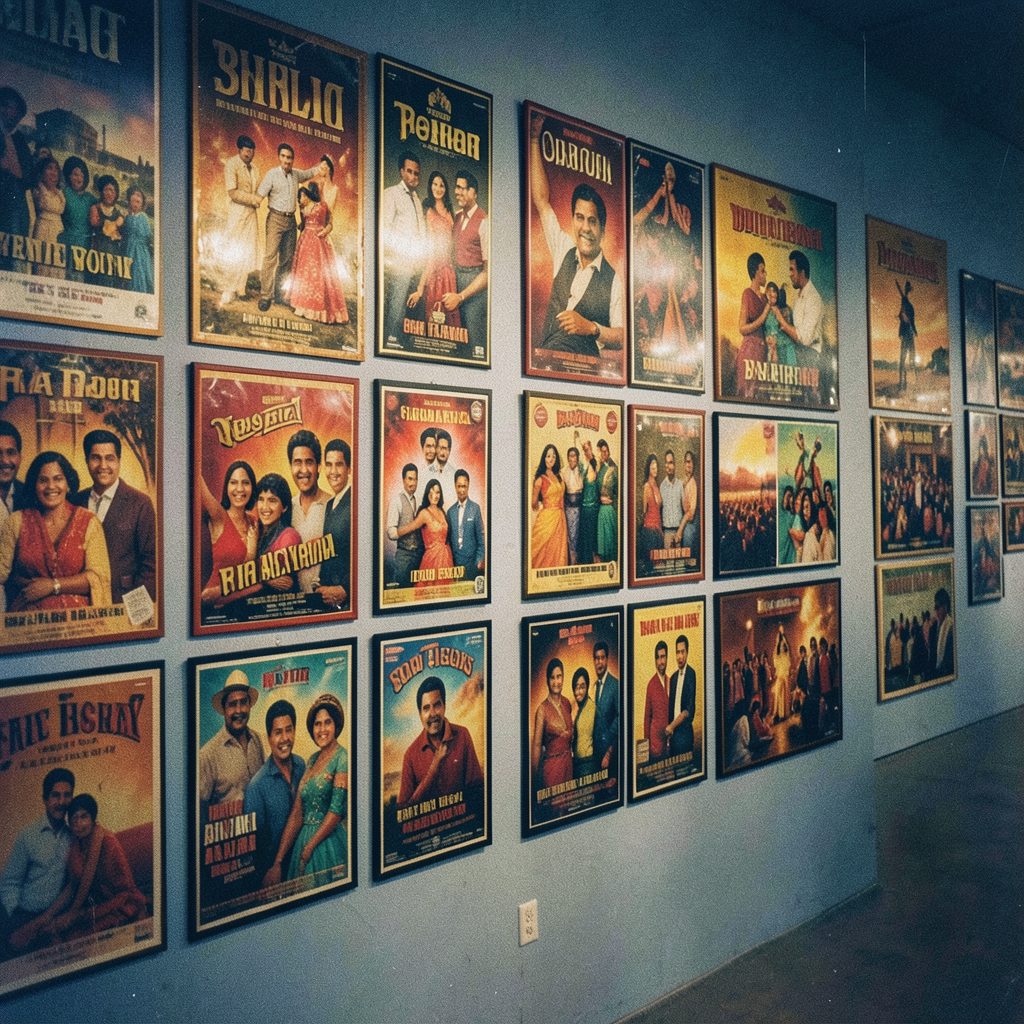
That emotional connection suits Bollywood particularly well. A soundtrack is often linked to a film’s costumes, dances, stars and major scenes. The record sleeve can preserve a film poster, a dramatic still or a portrait of its lead performers in a way that a small streaming thumbnail cannot. For collectors, the object becomes a piece of cinema history rather than a disposable delivery system.
The appeal extends beyond older releases. A new film can use a limited pressing to make its music feel like an event, especially when a title has a strong visual identity or a popular composer. Special editions may include gatefold artwork, coloured vinyl, lyric sheets or photographs, increasing their value as fan merchandise.
Streaming has made scarcity feel valuable
Digital music solved the problem of access, but it also made individual releases feel less distinct. Millions of tracks are available instantly, and a new Bollywood song competes for attention with global pop, regional Indian music and social media trends. A physical pressing creates scarcity through a finite number of copies and a visible release date.
That scarcity can strengthen a soundtrack’s cultural profile. A collector may purchase an LP for the music, the cover design or the possibility that the edition will become difficult to find. Cassette runs are often cheaper to produce than vinyl, making them suitable for small batches aimed at dedicated fans. A film studio can test demand without committing to a large manufacturing order.
The resurgence also benefits from online communities. Fans share unboxing videos, collection photographs and restoration tips, while record fairs give buyers a chance to compare pressings. In Australia, events in Melbourne and Sydney regularly bring together collectors of Hindi film records, Indian pop, devotional music and international releases.
Bollywood’s musical history is made for collecting
Hindi cinema has an exceptionally rich soundtrack tradition. Composers such as R.D. Burman, Laxmikant–Pyarelal, A.R. Rahman and Vishal Bhardwaj represent different eras and musical languages, from orchestral arrangements and disco to electronic production and folk influences. Their work provides a deep catalogue for reissues, deluxe editions and carefully curated compilations.
The format can also highlight the people behind a film’s sound. Playback singers, lyricists, arrangers and session musicians are sometimes overlooked when songs circulate as isolated clips. A well-produced physical release can include credits and essays that give listeners a fuller understanding of how a soundtrack was made.
Star power matters as well. When audiences reconnect with a performer through a hit song, they may explore earlier albums and films. The growing interest in female-led action trend shows how changing screen culture can create fresh demand for associated music, posters and collectible editions.
| Format | Main appeal | Typical Bollywood use | Australian buyer |
|---|---|---|---|
| Vinyl LP | Artwork, warm analogue presentation and collectability | Classic soundtrack reissues and premium new editions | Serious collectors and home-listening fans |
| Cassette | Affordable nostalgia, portability and limited-run charm | Small batches, special fan merchandise and retro releases | Younger buyers and diaspora listeners |
| CD | Clear sound, compact storage and lower manufacturing cost | Catalogue titles and broader retail distribution | Practical collectors and older audiences |
| Streaming | Immediate access, playlists and global reach | New releases, film promotion and discovery | Everyday listeners across all age groups |
Australia offers a distinctive audience
Australia’s market is shaped by both geography and community. Melbourne’s inner suburbs and Sydney’s western suburbs have large South Asian communities, while Brisbane, Perth and Adelaide also support Indian cultural events, dance schools and film screenings. A Bollywood soundtrack can therefore reach listeners through family networks, festivals and local celebrations as well as through specialist retailers.
Everyday listening habits support the revival in unexpected ways. Some households play Hindi music during weekend cooking, weddings or religious gatherings, while younger listeners move between Spotify playlists and physical collections. Record players are common in lifestyle stores and home offices, and cassette collecting has gained visibility among Australians who enjoy retro technology and independent music culture.
Retail access remains uneven. Buyers in Sydney and Melbourne may find Indian music at specialist shops, record fairs or community events, while fans elsewhere often rely on online sellers and international shipping. Exchange rates, postage costs and limited pressing quantities can make imported records expensive, turning a soundtrack into a considered purchase rather than an impulse buy.
Australian consumer law also affects the experience. Physical sellers must provide remedies when goods are faulty or do not match their description under the Australian Consumer Law. Copyright remains important too: the Copyright Act 1968 protects sound recordings, compositions and artwork, so official reissues and licensed reproductions are safer for labels and more reliable for artists than unapproved duplication.
Labels are balancing romance with production costs
Vinyl manufacturing is slow and expensive compared with digital distribution. Pressing plants have limited capacity, materials costs fluctuate and international freight can add a substantial amount to the final price. A label must estimate demand carefully because unsold stock occupies storage space and ties up money.
Cassettes offer a more flexible route into physical media. They can be produced in smaller quantities, packaged creatively and sold directly at concerts, fan events or through a film’s official store. Their sound may be less technically impressive than a well-mastered LP, but the format’s imperfections are part of its attraction.
Sound quality still matters to serious listeners. A poor source recording, excessive compression or careless mastering can make a reissue disappointing. The strongest releases explain whether they use an original master, a remaster or a digital source. Transparent credits help buyers understand what they are paying for and reward labels that treat archival music responsibly.
New releases can make physical music relevant again
The future of Bollywood’s analogue formats will depend on how well they connect with current cinema. A new soundtrack needs more than a retro cover to justify a physical edition. Strong songs, memorable choreography and a distinctive film identity provide the foundation, while thoughtful packaging gives fans a reason to own the release.
Limited editions can also support a film’s wider promotional cycle. A soundtrack may arrive alongside posters, stills, apparel and screenings, creating a coherent world around the title. This is particularly useful for films with loyal fan communities, where collectors value objects connected to a favourite actor, composer or director.
The formats will probably remain complementary to streaming rather than replacing it. Most listeners will discover a song online first, then buy a cassette or record because the music has personal meaning. That path mirrors the modern relationship with books, photography and cinema merchandise: digital access is convenient, while physical ownership carries emotional weight.
A small format revival with lasting cultural value
Bollywood’s return to vinyl and cassette is less about reversing technology than about adding texture to an already crowded media landscape. Streaming delivers reach, but physical soundtracks offer memory, design and a sense of participation. They allow fans to preserve a connection with a film beyond its theatrical run or digital playlist.
For Australia, the opportunity lies in serving a varied audience: established collectors, Indian families, young music fans and cinema enthusiasts who want culturally specific releases. Local retailers, festivals and community organisations can help these records and tapes reach listeners outside the biggest cities.
The practical takeaway is simple: treat vinyl and cassette soundtracks as curated cultural objects, with licensed music, accurate credits, durable packaging and realistic production runs. When the format respects both the songs and the fans, a Bollywood soundtrack can become something people hear, hold and keep.