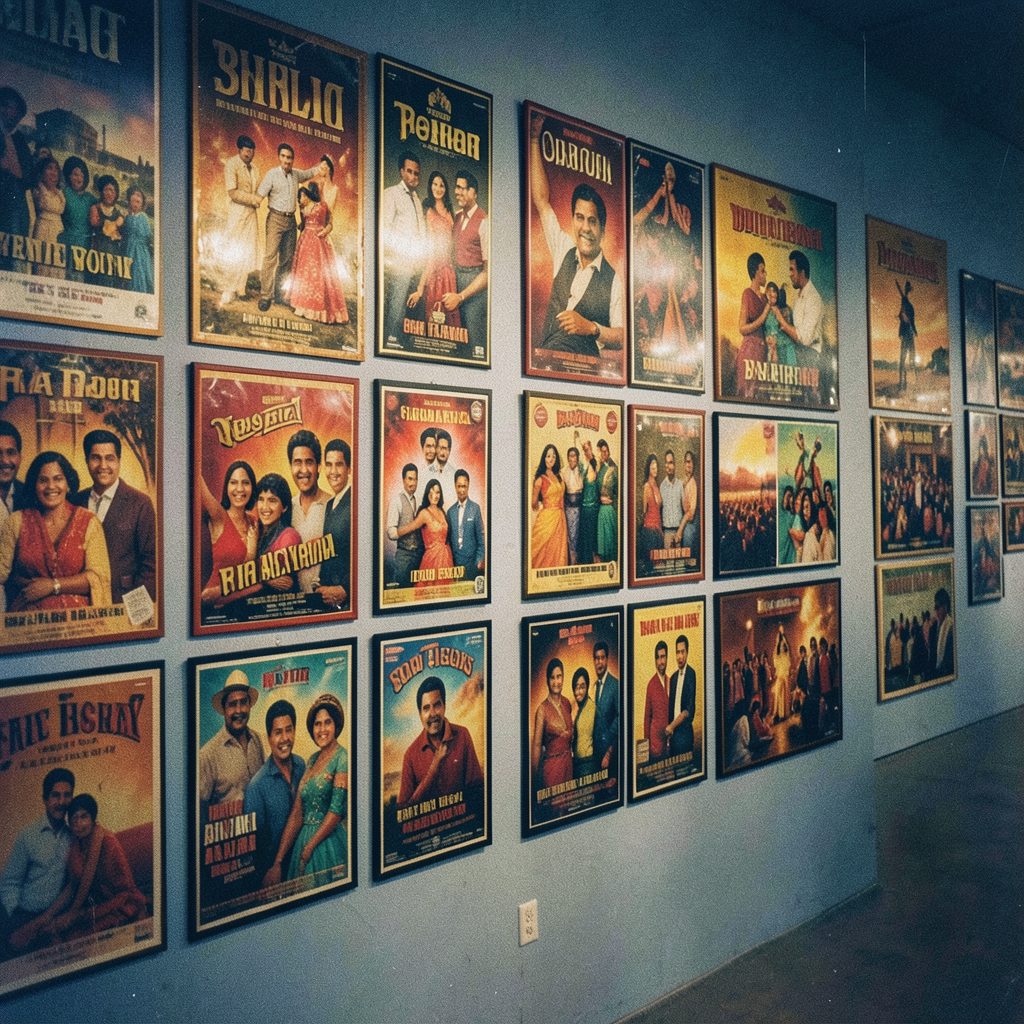

Bollywood's romantic dramas are finding love beyond the big city
Bollywood has always had a soft spot for the sweeping skylines of Mumbai, the heritage havelis of Delhi, and the European charm of foreign backdrops. Yet over the past few years, a quieter movement has been reshaping the romantic genre. Filmmakers are increasingly choosing small towns and Tier-2 cities as their canvas, trading traffic-cluttered junctions for mustard fields, temple towns, and riverside ghats. The shift is not a passing aesthetic choice but a response to changing audience tastes, both within India and in diaspora hubs like Sydney and Melbourne, where fans are hungry for stories that feel grounded rather than glossy.
The appeal of these films travels well across the Indian Ocean. In Australia, where streaming platforms report strong engagement with Hindi-language content in suburbs such as Parramatta, Harris Park, and Clayton, viewers often tell friends that the latest release "had me feeling like I was back home." That kind of cultural recognition is reshaping how romantic stories get packaged, marketed, and celebrated far beyond their original release windows.
The shift from Mumbai skylines to small-town India
A decade ago, romantic dramas rarely strayed from the established visual vocabulary of metropolitan India. Lovers met in South Mumbai cafés, kissed against the Bandra-Worli Sea Link, or chased each other through Delhi's Khan Market. The default setting signalled aspiration, wealth, and the cosmopolitan ideal that Bollywood long associated with modern love. But producers began noticing something uncomfortable: ticket sales for predictable city romances were softening in single-screen territories, while stories rooted in smaller places kept drawing crowds.
Films like Sui Dhaaga and Luka Chuppi opened the door by showing that heartland narratives could be both commercially viable and emotionally rich. Audiences who grew up in or near towns like Lucknow, Indore, Patna, or Nagpur saw their lived experience represented on screen for the first time in years. Soon, directors realised that the constraints of a small town, from the gossip networks to the joint families to the proximity to tradition, could actually amplify romantic tension rather than dilute it.
Why studios are following the lead
The economics behind the shift are straightforward. Production costs drop noticeably when a film is shot in Bhopal or Coimbatore rather than in a Mumbai studio. Crew accommodation, location fees, and logistics all favour smaller centres, and state governments in places like Madhya Pradesh and Rajasthan offer subsidies that metropolitan shoots no longer match. For producers balancing tight margins against star salaries, the math is increasingly obvious.
Equally important is the marketing upside. A romantic drama set in a recognisable small-town milieu travels easily through India's tens of thousands of single screens and the multiplex chains that have spread to Tier-2 cities. Distributors have learned that families in these markets respond strongly to stories that reflect their own geography, dialect, and rituals. The result is a healthier theatrical run in towns that producers once considered secondary, and stronger ancillary revenue from satellite, music, and digital rights.
What these productions share in common:
- Joint family households that double as both refuge and obstacle
- Wedding sequences that frame the central love story
- Religious festivals used as emotional turning points
- Local cuisine featured as a marker of place and belonging
- Bicycles, scooters, or shared autos replacing luxury cars
Comparing urban and non-metropolitan settings
| Element | Metro-set romances | Non-metro romances |
|---|---|---|
| Primary setting | Cafés, high-rises, airports | Village squares, ancestral homes, riverbanks |
| Language register | Hinglish, urban slang | Local dialect, Hindi with regional flavour |
| Family dynamic | Nuclear, often distant | Joint family, community scrutiny |
| Core conflict | Career versus love, ambition | Tradition versus choice, reputation versus desire |
| Visual tone | Polished, neon-lit | Earthy, golden-hour natural light |
| Music placement | Club numbers, concert sequences | Folk instruments, regional soundscapes |
| Audience pull | Urban multiplex, NRI screens | Family audiences, diaspora nostalgia |
The contrast in the table reflects more than geography. It signals a deliberate change in who Bollywood is courting and how those audiences expect to see themselves on screen.
The streaming era's influence on storytelling
Streaming services have quietly rewritten the rules of romantic storytelling. Platforms competing for attention across Indian, Australian, and global markets discovered that audiences in suburbs like Tarneit and Seven Hills were willing to binge entire filmographies in a weekend. To keep that pipeline active, platforms began commissioning stories that felt distinct from the Mumbai-centric template they had inherited.
This has been particularly visible in how music supervisors treat these films. Choreographers and composers working on small-town love stories often weave regional folk traditions into contemporary soundtracks, and the way classical dance fusion is staged in these sequences has become a quiet signature of the genre. The blend suits viewers who want cultural depth without the predictable beats of a club song. As these films travel through Australian catalogues on Stan and Netflix, they introduce local audiences to music traditions that city-set romances rarely touch.
What Australian audiences are watching
Bollywood's heartland pivot lands differently in Australia. While metro Indians in Sydney and Melbourne often travel back to India or stay connected through family networks, many also share a sentimental pull toward films that depict the places their parents or grandparents came from. Cinema listings at Indian film festivals in Sydney and Melbourne regularly feature small-town romances, and post-screening discussions frequently centre on how accurately a film captured the rhythms of a specific town.
Australian distributors have responded. Subtitling choices now favour plain English over elaborate poetic phrasing, recognising that younger viewers raised here appreciate clarity. Social media buzz around small-town releases travels faster than ever, with fan pages run from Brisbane and Perth often setting the tone for global conversations. Word-of-mouth, the old engine of Bollywood's success, now hums along WhatsApp groups from Blacktown to Auckland, building anticipation for stories that might otherwise have felt too niche.
Why filmmakers keep returning to smaller settings:
- Lower production costs without sacrificing scale
- Authentic regional colour that urban shoots cannot replicate
- Built-in dramatic tension through community and family
- Easier access to government production incentives
- Fresh casting opportunities beyond the usual star circuit
- Stronger emotional connection with diaspora audiences
Crafting romance with cultural texture
The most successful films in this wave have leaned into texture rather than scenery. Costume designers consult with local artisans, dialogue writers spend weeks in the relevant district absorbing speech patterns, and cinematographers wait for the right monsoon light rather than manufacturing it on set. The patience shows up on screen, and audiences notice.
That same care extends to performance. Lead actors routinely adopt regional accents, learn folk songs, and even pick up local cooking habits to make characters believable. The willingness to invest in craft is part of why these films feel like more than a marketing experiment. They are a quiet argument that romance in India is not the preserve of the big city, and that stories told with restraint and respect for place can move audiences as deeply as any skyline confession ever did.
The shift toward non-metropolitan settings is reshaping what romantic cinema looks like, how it sounds, and who it speaks to. Smaller budgets, regional crews, and streaming-friendly formats have lowered the barriers that once forced every love story through the Mumbai filter. Australian audiences, sitting in living rooms from Parramatta to Perth, are part of the same global conversation that has made this wave possible, lending these films their cultural weight through viewership and word-of-mouth.
The next generation of romantic dramas will likely continue travelling down highways, into bazaars, and across rivers rather than circling the same old urban landmarks. What stays with viewers is not a particular backdrop but a feeling: that love, in all its complications, belongs to places both familiar and far away.