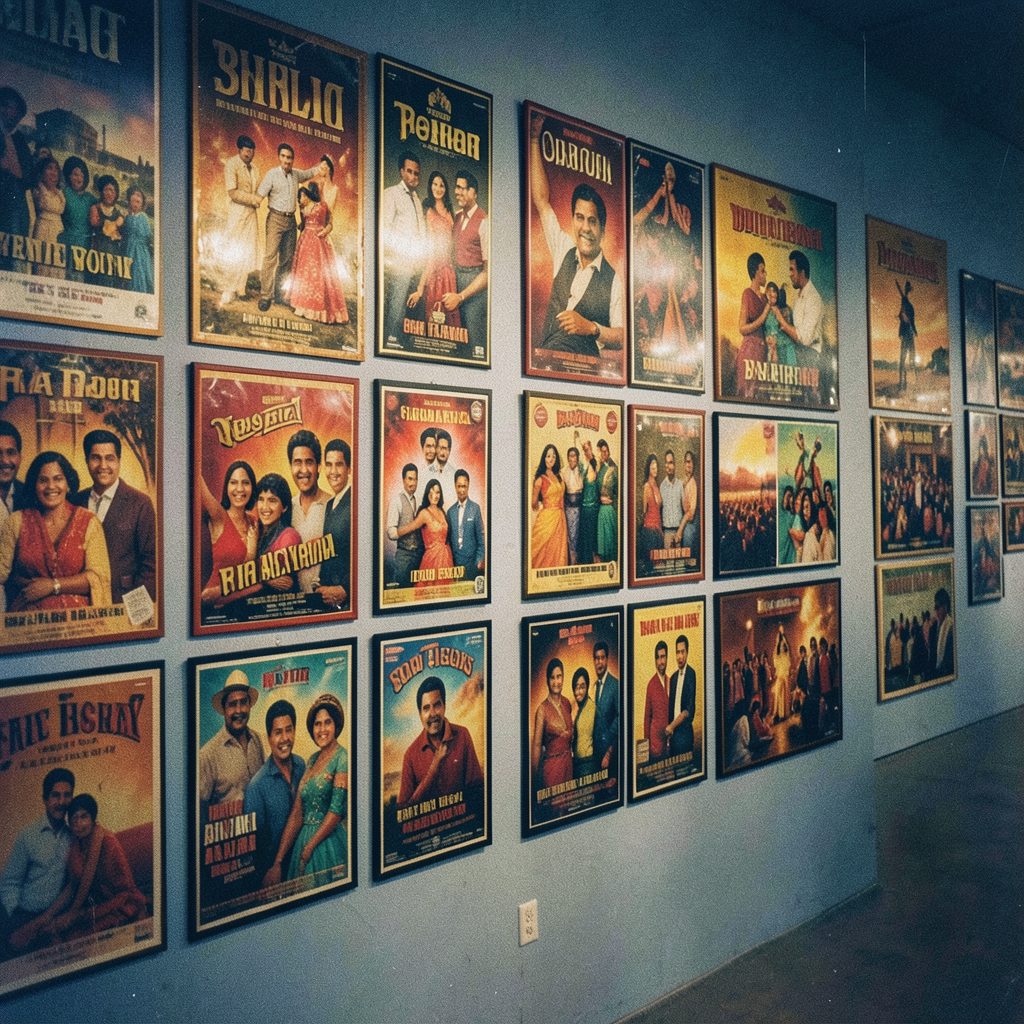

Why Bollywood Romantic Comedies Are Returning to Cinemas
Bollywood’s romantic comedies are finding their way back into cinemas after several years in which action spectacles, pan-Indian thrillers and franchise films dominated the conversation. The shift is visible in the renewed interest surrounding films such as Tu Jhoothi Main Makkaar, Zara Hatke Zara Bachke and Teri Baaton Mein Aisa Uljha Jiya, all of which placed relationships, misunderstandings and comic chemistry at the centre of the story.
This revival reflects a change in what audiences want from a Hindi film outing. Viewers still enjoy scale and spectacle, yet a well-cast romantic comedy can offer laughter, music, emotional comfort and a shared cinema experience. For Bollywood fans in Australia, including audiences in Sydney, Melbourne, Brisbane and Perth, the genre is becoming a reliable reason to leave the living room and return to the big screen.
Audiences Are Ready For Lighter Stories
The appetite for lighter entertainment has grown after years of intense dramas, action-heavy blockbusters and serious social narratives. Romantic comedies provide a softer alternative, combining family humour with relationship conflict that feels recognisable without becoming emotionally exhausting.
This does not mean audiences are seeking shallow films. The strongest new releases use comic situations to explore commitment, family expectations, financial pressure and changing ideas about marriage. Their appeal comes from balancing an easygoing tone with characters who face believable personal choices.
In Australia, this balance suits viewers who may watch a large number of Hollywood productions and streaming originals but still look for culturally familiar entertainment. A Hindi romcom offers jokes, music and social settings that connect with Indian-Australian families across generations.
Chemistry Is Replacing Excessive Spectacle
Romantic comedy depends heavily on the connection between its leading actors. A convincing pairing can make a simple conversation, family dinner or awkward first meeting more entertaining than an expensive action sequence. This places renewed importance on dialogue delivery, comic timing and natural screen presence.
Recent films have also widened the types of couples shown on screen. The stories may involve mismatched personalities, arranged introductions, workplace attraction or relationships complicated by technology. These setups create room for humour while giving performers opportunities to show vulnerability and charm.
Star power remains valuable, yet audiences are increasingly alert to whether a pairing feels genuine. Social media clips, promotional interviews and music videos can build interest before release, but word of mouth depends on the couple’s believability once the film begins.
The Cinema Outing Still Has Social Value
Streaming has made films easier to access, but it has not removed the social pleasure of going to the cinema. A romantic comedy works particularly well as a group outing because it can appeal to couples, friends, siblings and parents at the same time.
For Indian audiences in Australia, Hindi film screenings are often connected to community life. Families may plan a weekend visit to a multiplex in Melbourne’s eastern suburbs, Sydney’s western suburbs or Brisbane’s inner-city entertainment areas. A film can become part of a broader occasion involving dinner, shopping or a gathering with relatives.
Chains such as HOYTS, Event Cinemas and Reading Cinemas also give Hindi releases a recognisable place within the local movie market. When a film receives convenient session times, strong subtitles and promotion beyond specialist ethnic media, it has a better chance of reaching viewers who do not attend every Bollywood release.
Streaming Has Raised The Standard
The return of romantic comedies is partly connected to streaming rather than a direct reaction against it. At home, viewers can pause, skip or abandon a film quickly, so theatrical releases must offer a stronger reason to be watched immediately. A lively soundtrack, visual energy and crowd-friendly humour help create that urgency.
Streaming has also exposed audiences to romantic stories from South Korea, Spain, the United Kingdom and the United States. Hindi filmmakers are working in a more competitive environment, where viewers recognise familiar plot patterns and expect sharper writing. A predictable misunderstanding is less effective when the characters lack depth or the jokes feel dated.
Theatrical romcoms therefore need a clear identity. A culturally specific setting, memorable supporting cast or unusual relationship premise can separate a new release from the large number of romance titles available on Netflix, Prime Video and other platforms used widely in Australian homes.
Modern Relationships Create Fresh Conflict
Earlier Bollywood romances often focused on grand gestures, family opposition and the eventual approval of tradition. Contemporary romantic comedies can still use those elements, but they also address dating apps, career mobility, living costs, long-distance relationships and disagreements about personal independence.
These details are especially relevant to younger audiences in Australia, where relationships may develop across cities, cultures and family backgrounds. A couple living in Melbourne, for example, may balance professional ambition with expectations from relatives in India. Similar tensions appear in Sydney, where international study, migration and demanding work schedules shape everyday relationships.
The genre benefits when these issues are treated with warmth rather than used as simple punchlines. Comedy allows filmmakers to discuss awkward subjects, while romance gives the audience an emotional reason to stay invested in the characters’ decisions.
Music, Fashion And Social Media Drive Interest
A Bollywood romantic comedy has advantages beyond its plot. Songs, wedding scenes, festive celebrations and carefully designed costumes can turn a film into a broader entertainment event. Viewers may discover a movie through a dance track or a fashion moment before they know anything about the storyline.
This is particularly significant during periods such as Diwali, when Indian communities across Australia attend cultural events, shop for festive clothing and organise family gatherings. A colourful romantic film released around that season can benefit from a stronger sense of occasion, provided its marketing reaches local audiences with suitable screening information.
Short-form video has changed the promotional cycle. A funny exchange, dance hook or expressive reaction can circulate on Instagram and TikTok within hours. Yet online popularity works best when it supports a satisfying film. Viral moments may sell opening-night tickets, while character chemistry and audience recommendations determine whether the film has staying power.
What Could Sustain Theatrical Romance
The current revival will last if filmmakers treat romantic comedy as a flexible storytelling form rather than a guaranteed formula. The genre can support commercial stars, emerging performers and mid-budget productions, but each film needs a distinct emotional centre.
For the Australian market, distribution choices matter just as much as the script. Hindi films need practical session times, clear local advertising and enough screens outside the biggest metropolitan centres. Releases in Adelaide, Canberra, the Gold Coast and Perth can build valuable regional momentum when audiences know where and when they can watch.
Filmmakers and distributors can strengthen the genre by focusing on the following priorities:
- Build the story around believable chemistry instead of relying solely on celebrity casting.
- Use contemporary Australian and Indian urban realities carefully when targeting overseas audiences.
- Release strong music and character-led promotional clips before the theatrical opening.
- Provide subtitles and accessible session times for multilingual families and younger viewers.
- Protect the cinema window long enough for word of mouth to develop.
- Give supporting characters meaningful comic and emotional roles rather than repetitive stereotypes.
Romantic comedy will remain commercially useful when it feels current, warm and visually engaging. Audiences are willing to forgive familiar story structures when the characters are appealing and the humour reflects real social behaviour.
The renewed interest also gives Bollywood an opportunity to make mid-budget films feel significant again. A romantic comedy does not need the scale of a spy universe or a historical epic to create excitement. It needs a couple worth following, scenes people want to quote and a reason for the audience to laugh together.
For Australian viewers, the biggest sign of the genre’s health will be consistency. When Hindi romantic films arrive with thoughtful localisation, convenient screenings and memorable music, they can become part of the regular cinema calendar rather than occasional niche releases. What audiences should remember is simple: Bollywood romance works best on the big screen when emotional honesty, comic timing and genuine chemistry share equal billing.