
Why Bollywood’s Musical Biopics Are Drawing Crowds Like Never Before
Bollywood has always understood the power of a song, yet its latest wave of biographical cinema is using music with greater purpose. A familiar melody can introduce a childhood, mark a public breakthrough, reveal a private crisis or turn a historical figure into someone audiences feel they already know. That blend of fact, performance and emotion is helping musical biopics become major theatrical events.
The appeal is especially strong for Hindi-film viewers who want more than a sequence of dates and achievements. They want transformation, spectacle, memorable soundtracks and a star willing to disappear into a celebrated personality. For Australian fans, including large Hindi-speaking communities in Sydney, Melbourne, Brisbane and Perth, these films also create a shared weekend experience that travels easily between cinema screens, streaming platforms and social media.
| Feature | Conventional Biographical Drama | Musical Biopic |
|---|---|---|
| Main dramatic engine | Career milestones and personal conflict | Career milestones expressed through performance and song |
| Audience connection | Knowledge of the real person | Familiar music, lyrics, image and public memory |
| Star appeal | Acting transformation | Acting, singing, movement, costume and stage presence |
| Marketing strength | First-look images and reviews | Songs, reels, concerts, dance clips and nostalgia |
| Cinema value | Emotional storytelling | A larger, more immersive event with repeat-viewing potential |
Familiar Songs Create Immediate Emotion
A musical number can compress years of a public figure’s life into a few minutes. The audience may recognise the voice, tune or performance style before the story explains its importance. That instant recognition gives a biographical film a head start that a completely fictional drama may not have.
This is why songs associated with a cultural icon often become the emotional spine of the film. A youthful melody can suggest ambition, while a later reprise can carry regret or reinvention. The technique works across generations because parents may remember the original recording while younger viewers discover it through a new arrangement, trailer or dance trend.
Bollywood’s song culture also makes the format unusually adaptable. A film can move from a recording studio to a concert stage, from a private rehearsal to a public scandal, without losing its musical identity. The soundtrack becomes storytelling rather than decoration, giving viewers several ways to remember the movie after leaving the cinema.
Star Transformations Turn Films Into Events
Audiences are drawn to the visible labour of transformation. A lead actor may change weight, posture, accent, hairstyle and vocal rhythm to portray a singer, composer, actor or performer. When the real person is widely known, every detail becomes part of the viewing experience: the walk, the smile, the hand gesture and the way a microphone is held.
That fascination extends beyond musical performers. Sports and film biopics use the same star-making machinery, placing a famous actor inside a carefully reconstructed public image. Viewers compare the performance with archival footage, then debate whether the actor captured the personality or merely copied its surface.
The physical preparation behind such roles also feeds the appetite for spectacle. Bollywood fans who follow action cinema already understand how disciplined training can become part of a film’s publicity, as seen in coverage of high-risk stunt work. In a musical biopic, the equivalent attraction is rehearsal: months of dance coaching, vocal work and stage practice presented as evidence of commitment.
Nostalgia Meets Modern Film Marketing
A well-known song gives a studio a ready-made promotional asset. A teaser can rely on a single note, costume or chorus to trigger recognition, while a full track can travel across Instagram, YouTube Shorts and fan edits before the release date. This provides a film with a promotional life that begins long before reviews appear.
The strategy is particularly effective when the production balances heritage with contemporary sound. New orchestration, surround mixing and polished choreography can make an older musical style feel current without removing its original character. Younger audiences receive a visually energetic film, while older viewers gain the pleasure of recognition and comparison.
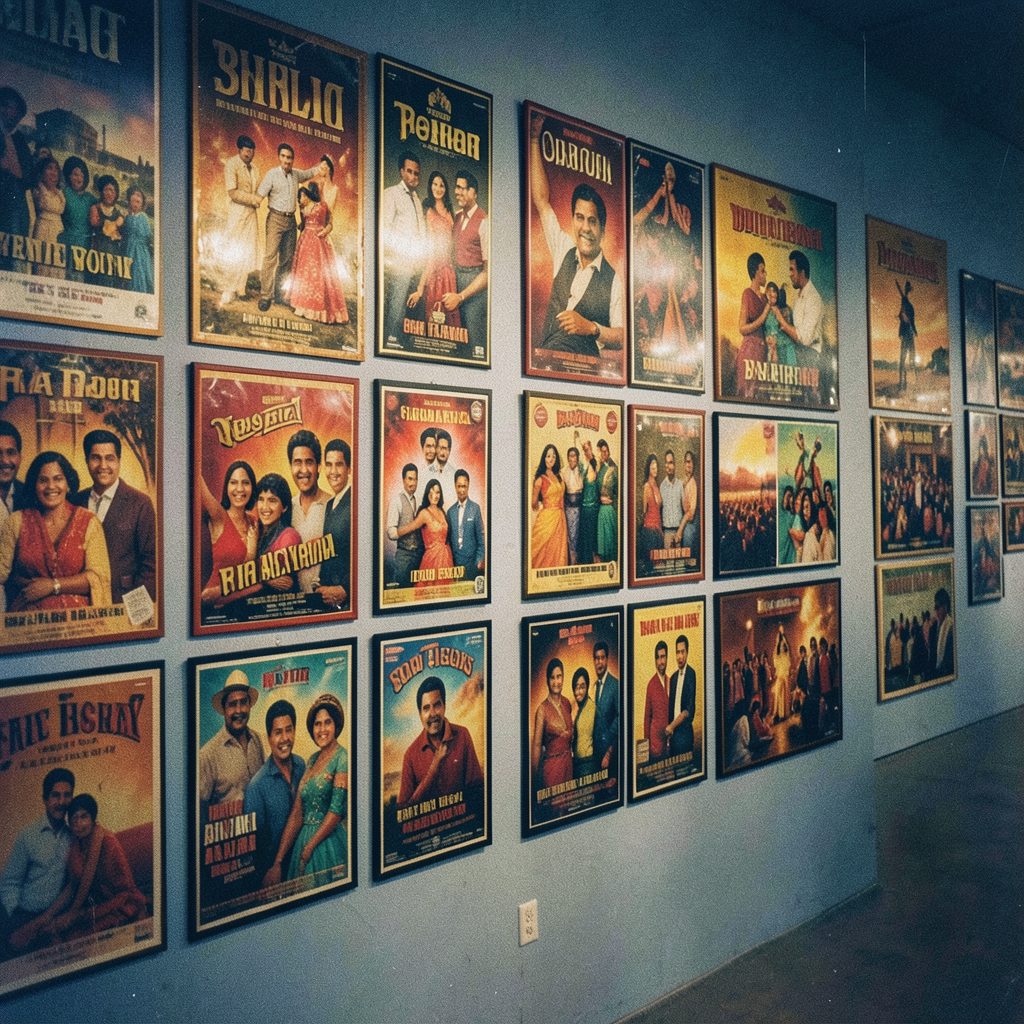
This is also where posters, stills and wallpapers matter. A recognisable silhouette, microphone, stage costume or recreated album cover can become instantly shareable. For a Bollywood website, music coverage is therefore connected to fashion, celebrity news, trailer analysis and box-office tracking rather than existing as a separate category.
Diaspora Viewers Add A Distinct Commercial Force
In Australia, Hindi cinema benefits from audiences who treat a major release as a social outing. Families and friendship groups may travel to multiplexes in western Sydney, Melbourne’s northern suburbs or areas around Brisbane where Indian restaurants and retail businesses already support a strong cultural network. A musical biopic offers an especially easy reason to gather because its songs can appeal across age groups.
The local market also rewards films that provide an event beyond the home screen. Audiences are used to choosing between a premium cinema session, a streaming subscription and a weekend activity that may cost considerably more than a standard night in. Large-format sound, dance sequences and concert scenes give a Hindi musical biopic a clearer theatrical advantage than a quiet, dialogue-heavy drama.
Release planning matters as well. Australian viewers often follow Indian release dates closely, while time-zone differences make opening-weekend conversation unfold across WhatsApp groups and social feeds almost immediately. Subtitles, suitable session times and strong distribution in Sydney and Melbourne can influence whether enthusiasm becomes a substantial local gross.
Authenticity Drives Debate And Repeat Viewing
The more familiar the subject, the more closely audiences inspect the film. A biopic is expected to dramatise events, combine characters and reshape chronology, but viewers still want emotional truth. If a film appears to sanitise a scandal or exaggerate a triumph, discussion can become louder than the marketing campaign.
That tension can help attendance. Viewers may return with friends to compare scenes with interviews, documentaries or archival recordings. Reviews and box-office reports become part of the experience because the audience is judging two performances at once: the star’s interpretation and the filmmaker’s version of history.
Australian viewers also bring a specific legal and cultural context to this debate. Films released locally are subject to classification decisions under the Australian Classification system, so mature themes, drug references or strong language can affect access for younger viewers. A responsible production still has to manage permissions, music rights and the reputation of living subjects, even when the creative team takes liberties with the narrative.
The Next Wave Will Broaden The Formula
The strongest future projects are likely to avoid treating a person’s life as a simple rise-and-fall timeline. They may focus on one decisive concert, a controversial recording, a creative partnership or the cost of maintaining a public image. This tighter structure can create more suspense while leaving room for several major performances.
Streaming will influence the format, but it is unlikely to eliminate the cinema draw. A platform can offer extended versions, behind-the-scenes material and archival extras, while theatres remain the place for opening-night energy and communal singing. That division may encourage studios to design musical biopics with both a theatrical climax and a longer afterlife at home.
For Bollywood, the opportunity lies in choosing subjects whose music still lives in everyday culture. A legendary playback singer, pioneering composer or genre-defining performer can provide recognisable melodies, visual glamour and genuine conflict. The immediate next step for viewers is to compare the film’s first released song with the original recording before booking an opening-weekend session.