Why Bollywood Movie Marathons Are Winning Over Australian Fans
Bollywood has always encouraged communal viewing. Songs invite audiences to clap along, comic scenes work better with a crowd, and emotional finales can turn a cinema into a shared celebration. Now, that spirit is being extended through movie marathons: curated screenings that place several Hindi films, sequels, or an entire franchise on the big screen in one extended session.
For Australian audiences, these events offer something different from a standard cinema visit. They combine nostalgia, socialising, food, fashion and fandom, creating an experience that feels closer to a festival than a regular night out. As distributors search for stronger theatrical events between major releases, marathon screenings are becoming a valuable part of Bollywood’s international audience strategy.
A New Kind Of Cinema Night
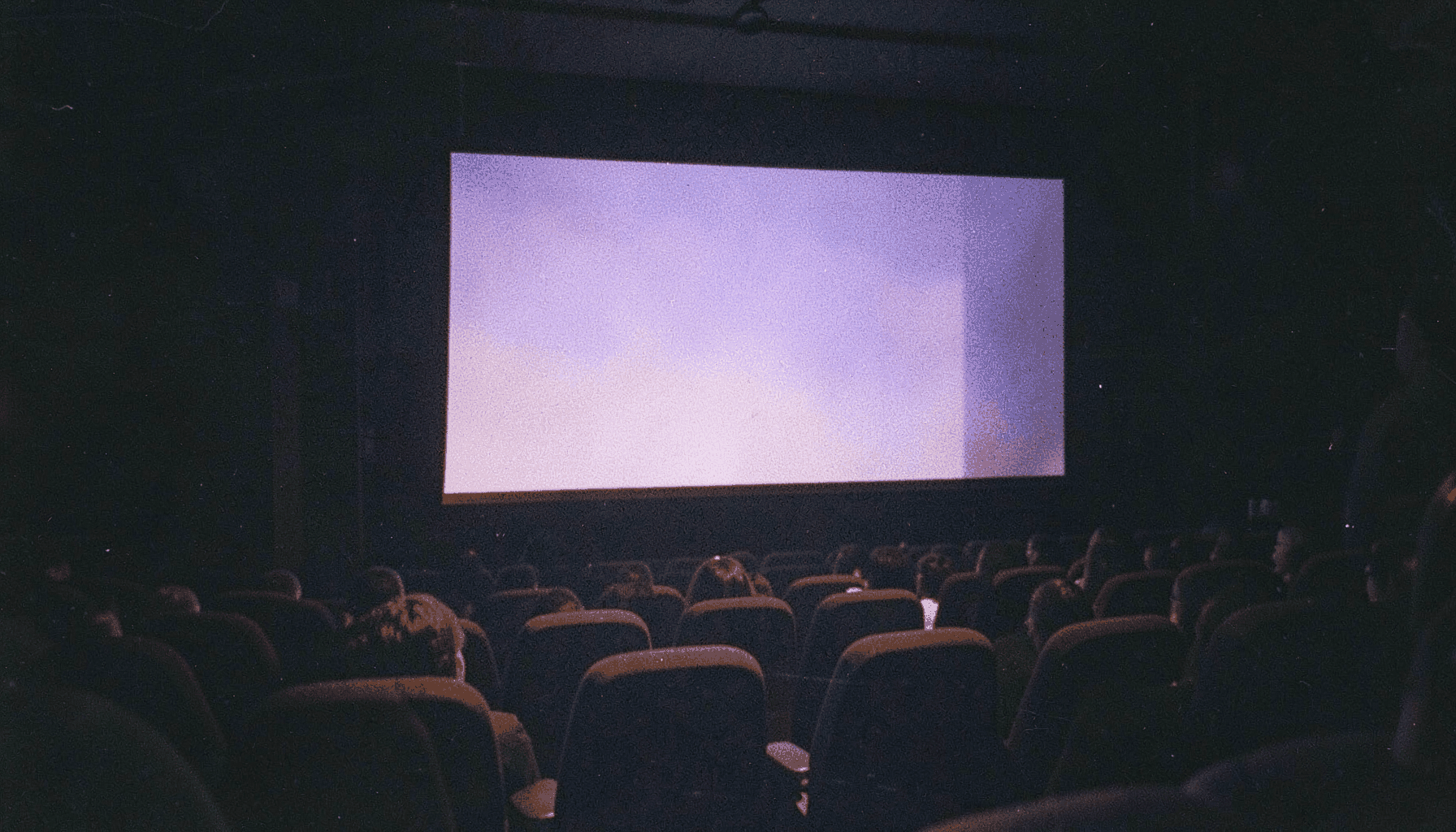
A conventional screening is usually a two- or three-hour commitment. A marathon can run across an afternoon, evening or full day, with multiple films linked by a star, director, genre or franchise. That structure gives fans a reason to buy a ticket as an event rather than treating a film as a casual weekly choice.
| Viewing Format | Typical Appeal | Best Suited To |
|---|---|---|
| Single film screening | Easy, familiar and flexible | Casual viewers |
| Franchise marathon | Continuity, nostalgia and fan theories | Dedicated followers |
| Star-focused event | Performances, songs and celebrity appeal | Fans of major actors |
| Festival-style showcase | Variety and discovery | Mixed groups and film lovers |
| Home streaming binge | Convenience and lower cost | Individual or family viewing |
The format also makes older films feel new again. A classic Shah Rukh Khan romance, a comic ensemble from the 2000s or a recent action franchise can gain fresh energy when projected in a cinema with a crowd. The big screen restores the scale, sound and atmosphere that home viewing often loses.
Nostalgia Has A Powerful Pull
Many Bollywood fans associate films with particular stages of life. A song may recall school holidays, a family trip to India or a first cinema date. Watching several connected films in one sitting allows those memories to unfold together, creating an emotional journey that a single retrospective screening cannot quite match.
This is especially relevant for Australia’s large Indian diaspora. In cities such as Melbourne, Sydney and Brisbane, audiences include first-generation migrants, Australian-born Indians and people from families with different regional backgrounds. A marathon can bridge those generations, giving parents and children a shared reason to discuss favourite stars, songs and characters.
The atmosphere matters as much as the films. Fans may arrive in themed outfits, quote famous dialogue and cheer when a popular entrance scene appears. For a mate who grew up watching Hindi cinema with family, the event can feel personal even when the venue is several suburbs away.
Social Viewing Beats Endless Scrolling
Streaming has made Bollywood content easier to access, yet convenience can reduce the sense of occasion. A film watched at home may be paused for dinner, interrupted by messages or abandoned halfway through. A theatrical marathon encourages people to stay present and experience the story as a group.
The social value is particularly strong for young adults and university students. Friends can organise a full-day outing, meet for chai between screenings and compare reactions before the next film begins. It gives fans a ready-made plan, which is useful in busy Australian cities where coordinating a group can be harder than finding something to watch.
Marathons also create natural spaces for online fandom to move offline. Viewers who normally discuss trailers, box office figures and celebrity updates on social media can meet people with similar interests. The event becomes a source of photos, short videos and conversations that continue after the credits.
The Big Screen Makes Songs Feel Bigger
Music is central to Bollywood’s appeal, and a marathon gives songs room to breathe. A well-designed cinema sound system can make a dance number feel physical, while a romantic ballad gains power from a dark auditorium and a quiet audience. Multiple films also reveal how an actor’s musical image changes across different eras.
Fans often remember films through their soundtracks rather than their plots. A sequence of familiar songs can turn a screening into a shared singalong, especially when the audience knows every lyric. This explains why music-led events, anniversary screenings and star retrospectives can attract viewers who already own the films or have streamed them many times.
Features That Make A Marathon Memorable
- Curated intervals that allow time for food, conversation and social media posts
- Large-format screens and strong audio for songs, dance scenes and action set pieces
- Short introductions, trivia segments or fan commentary between films
- Themed dress codes linked to a franchise, star or memorable film era
- Merchandise, posters and photo areas that extend the experience beyond the auditorium
Australian Venues Are Building Event Energy
The Australian market has its own practical considerations. Indian releases are often concentrated in major metropolitan areas, with screenings at chains such as HOYTS and Event Cinemas as well as independent venues and community-run festivals. That makes location important: a marathon in western Sydney or Melbourne’s northern suburbs may reach a different audience from one held in the central business district.
Timing can shape attendance as well. A weekend afternoon is more accessible for families, while late-night screenings may appeal to younger fans but clash with public transport schedules. In Melbourne, where the Indian Film Festival of Melbourne has helped strengthen local interest in South Asian cinema, audiences are already familiar with the idea of cinema as a cultural gathering.
Pricing is another factor. Australian cinema tickets, parking and food can quickly make a long event expensive, especially for families. Bundled tickets, loyalty discounts and reasonably priced interval meals can help distributors turn curiosity into a full-house result. A marathon must feel like good value, not simply several standard tickets placed together.
Franchises And Stars Create Easy Entry Points
A franchise gives audiences a clear reason to attend. Viewers may want to revisit a complete action series, follow a character’s development or settle debates about which instalment is strongest. Even people who miss a new release can use a retrospective marathon to catch up before the next chapter arrives.
Star power works in a similar way. A Ranbir Kapoor, Alia Bhatt, Deepika Padukone, Salman Khan or Shah Rukh Khan showcase can attract fans across several age groups, especially when the selection includes early breakthroughs, major commercial successes and more recent work. The variety keeps the programme from feeling like a simple repeat screening.
Strong Themes For Curated Screenings
- Complete franchise weekends built around action, comedy or romance
- Career retrospectives for major Bollywood performers
- Director-focused programmes featuring recognisable visual styles
- Soundtrack marathons celebrating composers, playback singers or dance
- Festival previews that introduce Australian audiences to emerging filmmakers
Fan Participation Changes The Atmosphere
The strongest events allow audiences to participate without disrupting the films. A host can invite applause at key moments, organise trivia during intervals or present a short background on a classic title. These touches make the audience feel involved while preserving the value of the cinematic experience.
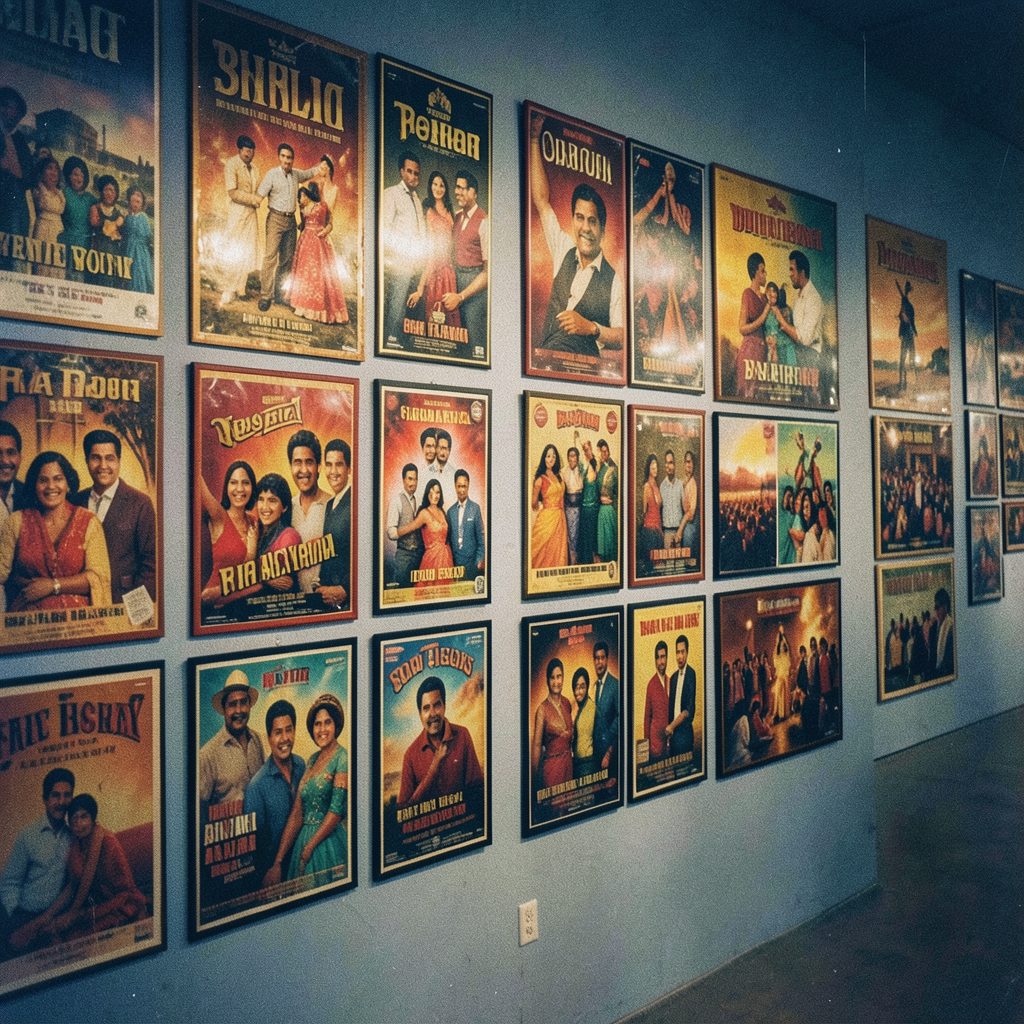
Cosplay and fashion also have a place in Bollywood marathons. Fans may wear outfits inspired by a heroine’s song sequence, a hero’s signature look or a film’s wedding scenes. For a website covering Bollywood style, posters and celebrity culture, this visual side of fandom is as significant as the screening itself.
Participation can extend to voting. Organisers might ask fans to choose the final film, select a favourite song sequence or nominate the most iconic dialogue. These decisions provide useful audience data and make the programme feel locally shaped rather than imported as a fixed package.
The Format Could Grow Beyond The Cinema
Movie marathons are well suited to a changing entertainment market because they generate several forms of value at once. They sell tickets, create food and merchandise opportunities, produce social content and strengthen a film’s cultural profile. They can also help older titles return to public attention when a star has a new release or a remake is announced.
The model may expand into themed pop-up events, outdoor screenings and collaborations with Indian restaurants, dance schools or community groups. In Australia, partnerships with local cultural organisations could help reach audiences outside the main CBD venues, including families in suburban areas with strong South Asian communities.
For fans, the attraction is simple: a marathon turns film watching into a shared memory. It brings together nostalgia, music, conversation and the pleasure of being surrounded by people who understand the same references. The key thing to remember is that Bollywood movie marathons succeed because they make cinema feel like an occasion worth leaving home for.