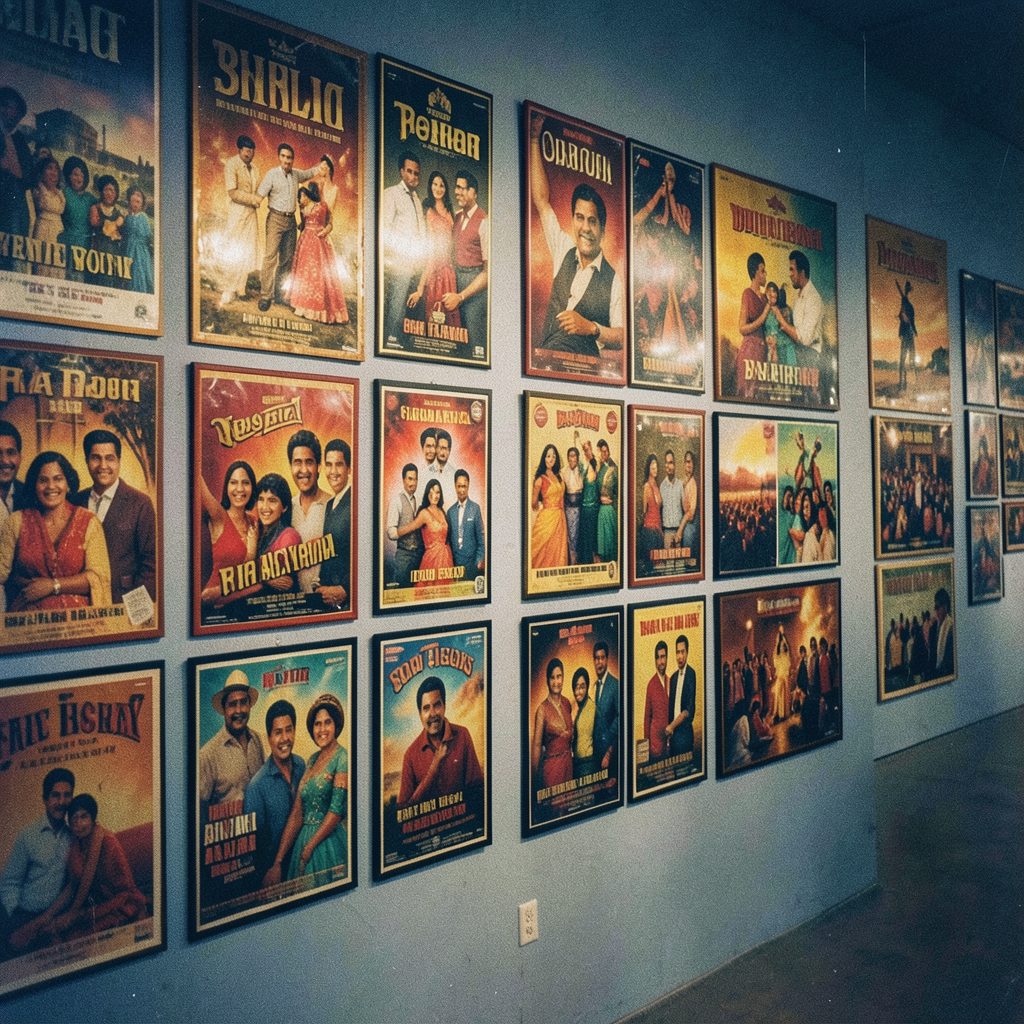

Bollywood Meets the Pitch: Filmmakers Eye Global Sports Partnerships
Bollywood studios have spent the last decade reaching beyond the borders of India, and the next frontier looks unmistakably athletic. Producers are signing multi-format deals with international sports leagues, weaving cricket, football, and motor racing into their storytelling pipelines. The pitch decks speak the language of sponsorships, branded entertainment, and cross-border fan engagement, and Australian viewers are already feeling the ripple through shared cricket culture and a large Indian diaspora in cities like Melbourne and Sydney.
The commercial reasoning is straightforward. Sports leagues command some of the most loyal audiences on the planet, while Hindi cinema offers a narrative muscle that broadcast partners rarely match on their own. When the two ecosystems trade credibility, the result is content that travels across time zones from Mumbai to Perth, and from Kolkata to Brisbane, without losing its pulse.
From Reels to Records: The Logic Behind the Tie-Ups
Studios are chasing a problem that has nagged the industry for years: how to monetise a star's appeal beyond the eight-week theatrical window. A co-production with a sports league stretches a hero's likeness across match-day LED boards, documentary series, and mobile game tie-ins. For leagues, the Bollywood name opens doors to non-traditional fans who would never click on a stats recap but will absolutely watch a four-minute character vignette starring a familiar face.
Indian broadcasters, streaming platforms, and league owners also see the value of integrated launches. When a new season of a racing championship or a football tournament drops, a simultaneous web series or short film on the same universe can sustain attention through the week. Producers compare the model to the long-running synergy between Hollywood studios and the NFL, where scripted dramas have piggybacked on game broadcasts for decades. Australia offers a natural testing ground because the AFL and NRL calendars already run parallel storytelling campaigns through winter, and producers have noted how cleanly those rhythms translate to a Hindi-speaking audience.
Global Audiences, Local Stories
The other driver is demographics. International leagues want younger, multilingual viewers, and Indian cinema brings that in truckloads. A romantic subplot built around a touring football team, or a heist staged during a Formula One weekend, gives writers a built-in global canvas while keeping the emotional grammar of a Hindi film intact. Cricket remains the obvious anchor, and the Melbourne Cricket Ground has already hosted Bollywood-themed halftime shows during Boxing Day Tests, giving Australian producers a template for fusing spectacle with sport.
Streaming platforms operating out of Sydney and Melbourne have quietly become the production hub for some of these hybrid projects, leveraging local crews familiar with both cricket coverage and cinematic lighting. The Australian market matters for another reason too: rights holders here, including Fox Sports and the streaming service Kayo, have shown a willingness to bundle Bollywood content alongside their live sports subscriptions, a model that bolsters revenue for every stakeholder on the deal sheet. Indian-Australian households in western Sydney and the eastern suburbs of Melbourne remain the most reliable opening-weekend audience for any cross-border release.
Sporting Drama on the Bollywood Screen
Films centred on athletics are nothing new in Hindi cinema, but their commercial ceiling has lifted. Recent releases about wrestling, boxing, and kabaddi have crossed the two-hundred-crore threshold in India, and overseas markets like Australia have started contributing meaningful shares through diaspora-driven screenings in Parramatta, Brisbane, and the Perth foothills. The appetite is strong enough that studios are willing to license official league footage, player likenesses, and venue branding in exchange for a co-financing credit.
Directors favour the sports-league partnership because it removes the friction of fabricating fictional tournaments from scratch. A real league provides uniforms, commentators, jargon, and crowd atmospheres that even a high-budget production would struggle to replicate convincingly. Audiences reward authenticity. When a film references an actual Grand Prix circuit or a recognisable football derby, viewers from Sydney to Surat recognise the shorthand instantly. The format is not without friction, however. Studios must navigate image rights, betting sponsorships, and the editorial standards enforced by the Australian Classification Board whenever a project is intended for free-to-air broadcast.
Cricket, Football, and Formula One: The Leagues Diving In
Cricket boards remain the most active collaborators, partly because the sport already shares so much cultural DNA with Hindi cinema. Football leagues in Europe and the Gulf have begun to follow suit, courting Indian producers to script regional content aimed at subcontinental fans tuning in from Sydney pubs and suburban lounges. Formula One's owner has experimented with documentary tie-ins featuring Indian actors during race weekends in Melbourne, using the Australian Grand Prix window at Albert Park to soft-launch narrative arcs that will run across the season.
The variety shows how the partnerships range from prestige documentary work to hybrid streaming experiments. None of them rely solely on theatrical returns, and most are built on multi-year commitments that align with league calendars running from January through December.
| Studio | Sports Property | Format of Collaboration | Australian Angle |
|---|---|---|---|
| Dharma Productions | International Cricket Council | Long-form docu-series on touring teams | Episodes shot at the Melbourne Cricket Ground during the Boxing Day Test |
| Excel Entertainment | Formula One | Short films released before each Grand Prix | Feature for the Australian Grand Prix at Albert Park with local crew hires |
| Red Chillies Entertainment | UEFA-aligned football clubs | Branded content for European fixture weeks | Promotion in Sydney and Melbourne pubs during UEFA Champions League broadcasts |
| Yash Raj Films | Premier Badminton League | Co-produced feature on a rising shuttler | Theatrical release timed with the Australian Open swing in January |
| Maddock Films | International Kabaddi Federation | Reality-meets-scripted hybrid for streaming | Indian-Australian community tie-ins across Parramatta and Brisbane |
Practical Lessons From the Field
For studios and leagues weighing their own collaborations, several patterns have emerged from the deals that actually worked. The strongest projects treated the sport as a co-author rather than a backdrop, inviting athletes into writers' rooms and giving statisticians a veto on factual mistakes. Equally important was respecting the cultural reading public brings to the material, since cricket fans in Mumbai and football fans in Casablanca carry different reference points into the same frame.
- Anchor the project around a sport with an existing fan crossover, such as cricket in Melbourne or football in western Sydney, to maximise organic reach.
- Build the narrative with athlete input rather than treating players as decorative cameos, ensuring authenticity on and off the field.
- Time the release against a live sporting moment, like a Test match, derby week, or Grand Prix, so marketing spend compounds rather than competes.
- Reserve a share of editorial control for the league's historians and statisticians, who can catch factual slips before they reach Australian and global audiences.
- Plan a streaming component from day one, since Australian viewers increasingly watch live sport and fiction on the same subscription.
- Budget for localisation, including English subtitles and Australian cricket vernacular, to widen the appeal beyond the Indian diaspora.
The first move for any studio weighing a fresh partnership should be to greenlight a single short film tied to a fixture at the MCG, release it on streaming seventy-two hours before the Boxing Day Test begins, and measure whether the resulting subscriber uplift justifies a longer commitment.