Why Bollywood Film Criticism Is Finding A Wider Audience On YouTube
Bollywood criticism was once concentrated in newspapers, film magazines, television segments and specialist websites. Today, a viewer can watch a detailed review on a phone before deciding whether to see a new Hindi release in a cinema, stream it at home or wait for audience reactions. YouTube has turned film commentary into a more immediate, visual and conversational part of everyday entertainment.
This change matters for Australian audiences, where Hindi cinema reaches established communities in Sydney, Melbourne, Brisbane and Perth while also attracting viewers beyond the Indian diaspora. Video reviewers can explain a film’s cultural references, music, performances and box office prospects in accessible language, making criticism feel closer to a discussion among informed fans than a formal newspaper column.
Why The Format Is Opening Up
The biggest advantage of YouTube is its low barrier to entry. A critic does not need a television studio or a major publishing contract to discuss a trailer, review a release or analyse a star’s career. A smartphone, editing software and a clear point of view can create a channel with a recognisable identity.
This has broadened the range of voices in Hindi film criticism. Reviewers may come from different regions, generations and professional backgrounds, bringing perspectives shaped by cinema studies, fandom, journalism or years of following the industry. Their approaches vary from spoiler-free recommendations to scene breakdowns and industry commentary.
The platform also supports a quicker response cycle. A video can appear within hours of a theatrical release, while a follow-up can examine audience reactions, reviews and early ticket sales. Viewers receive criticism while the film is still part of the public conversation rather than weeks after its cultural moment has passed.
From Trade Desk To Phone Screen
Traditional entertainment coverage often separates reviews, box office reporting, celebrity interviews and trailer analysis into different sections. YouTube combines these forms naturally. One creator might discuss a film’s screenplay, explain its opening weekend and assess whether its marketing matched the finished product in a single video.
For fans, visual evidence makes analysis easier to follow. A reviewer can refer to editing choices, production design, background music or a performance while displaying approved stills, posters or short excerpts where permitted. Channels also use graphics, charts and timelines to explain franchise connections that may be difficult to describe in text alone.
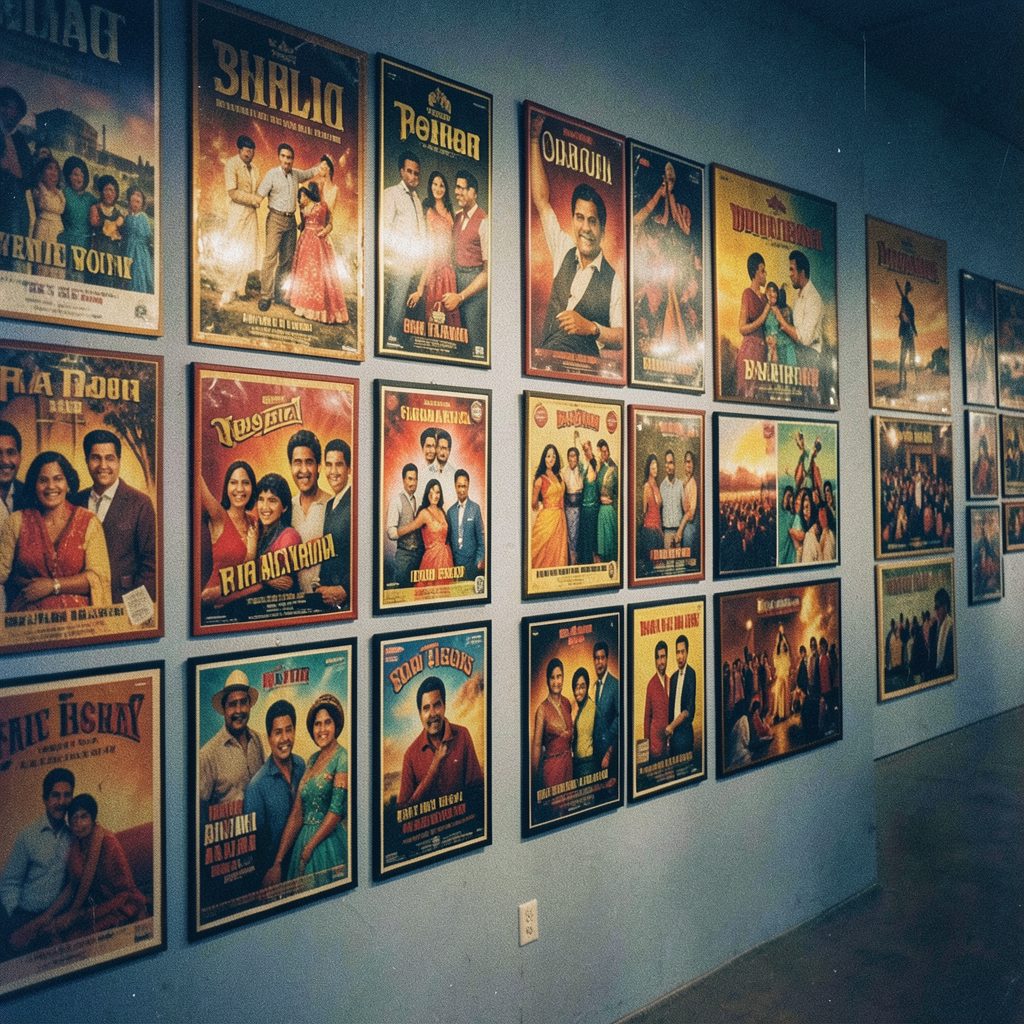
This is why a dedicated trailer collection can sit alongside commentary about upcoming releases. Audiences often want to see the promotional material, hear an interpretation of it and then compare that prediction with the final film. The process encourages active viewing rather than passive consumption.
The Australian Viewing Context
Australia’s cinema market gives this trend a distinct shape. A viewer in Melbourne may follow a Hindi release through a local multiplex, while someone in regional New South Wales may rely on streaming availability because the nearest screening is far away. YouTube helps connect both viewers to the same conversation, even when access to theatrical screenings differs.
Australian audiences also have varied viewing habits. Many people watch entertainment on mobile devices during public transport commutes, after work or between household responsibilities. Others use connected televisions for long-form reviews. A ten-minute video with clear chapters can suit a quick decision, while a longer discussion may appeal to fans planning a weekend cinema outing.
The local market is shaped by language and community networks as well. English-language reviews can introduce Hindi films to viewers who do not speak Hindi, while bilingual creators can explain dialogue, customs and references for audiences who want additional context. Release timing, local ticket prices and the limited number of screenings outside major cities also make practical commentary especially valuable.
Australian film coverage operates within a regulated environment. The Australian Classification Board assigns classifications to films and other content under national classification arrangements, so reviewers discussing violence, sexual content or mature themes should distinguish their own assessment from the official rating. That distinction helps viewers make informed choices without treating a critic’s opinion as a legal classification.
What Video Criticism Adds
A strong YouTube review gives audiences more than a simple thumbs-up or thumbs-down. It can explain how a film works, where its ideas lose focus and why a particular performance succeeds. This is valuable for mainstream viewers who want an accessible summary, as well as dedicated fans interested in craft and industry context.
Video also allows tone and personality to become part of the argument. Facial expression, vocal emphasis and visual examples can communicate enthusiasm or disappointment quickly. A reviewer may compare the pacing of two films, map a character’s development or explain why a song feels essential to the narrative rather than treating music as a separate promotional feature.
Useful reviews usually provide several kinds of information:
- A clear verdict supported by specific observations
- Warnings about major spoilers before detailed discussion
- Context about genre, remakes, franchises or source material
- A distinction between personal taste and technical criticism
This structure makes criticism easier to trust. Viewers can disagree with a verdict while still learning from the reasoning behind it. That is a healthier relationship with reviews than treating a score as an unquestionable measurement.
How Viewers Judge A Channel
Accessibility does not automatically equal reliability. YouTube rewards frequent uploads, strong thumbnails and emotionally charged titles, which can encourage exaggerated reactions. A dramatic opening may attract attention, but it does not prove that the analysis is fair or well informed.
Viewers should look for consistency across several videos rather than judging a creator by one review. A thoughtful channel explains its standards, acknowledges uncertainty and is willing to praise a film’s strengths while identifying its weaknesses. It also separates confirmed information from rumours about casting, budgets, production delays or box office performance.
Signs of a responsible review culture include:
- Evidence drawn from the film rather than personal attacks
- Clear labelling of spoilers, speculation and paid partnerships
- Corrections when facts about releases or earnings change
- Respect for differing interpretations among viewers
This matters in Bollywood coverage because public interest in stars can blur the line between film criticism and celebrity commentary. Discussion of an actor’s career may be relevant, but a review should still address the work on screen. Personal dislike should not replace analysis of direction, writing, acting, editing or sound.
Where Access Can Still Mislead
YouTube’s openness brings some weaknesses. Algorithms tend to recommend familiar opinions, meaning viewers can become trapped in a cycle of reviews that confirm their existing expectations. A film may be described as a masterpiece or a disaster before many people have had the chance to see it for themselves.
Short-form clips can also remove important context. A sharp criticism taken from a longer review may circulate as a standalone claim, while a nuanced point about a film’s politics or representation becomes an argument about a single scene. The speed of online discussion leaves limited room for correction once a strong opinion has spread.
Commercial pressures add another layer. Some creators receive early access, promotional invitations or brand partnerships, and these relationships may influence how audiences interpret their enthusiasm. Disclosure does not invalidate a review, but it gives viewers information needed to assess its independence.
There is also a copyright responsibility in using film footage, music and promotional material. Commentary may involve criticism or review, yet creators still need to handle copyrighted material carefully under Australian law and platform rules. Responsible channels use clips sparingly, add clear analysis and avoid turning a review into an unofficial substitute for the film.
A Healthier Way To Watch And Judge
The growth of YouTube criticism makes Bollywood more approachable for a wider public. A viewer can learn about a film’s themes, find out whether it suits a particular age group, understand its cultural setting and compare several opinions before spending money on a cinema ticket or a rental.
For Australian audiences, this is especially useful when local screenings are limited or release dates vary between cities. Video essays and review channels help bridge the distance between Mumbai’s entertainment industry and viewers making practical choices in Sydney, Adelaide or a regional town. They also create space for discussions about representation, language, celebrity culture and the business of cinema.
The best critics do not tell audiences what they must think. They give viewers vocabulary, context and evidence, then leave room for a personal response. The key point to remember is that accessible film criticism should make Bollywood easier to understand without making the act of judging a film less thoughtful.