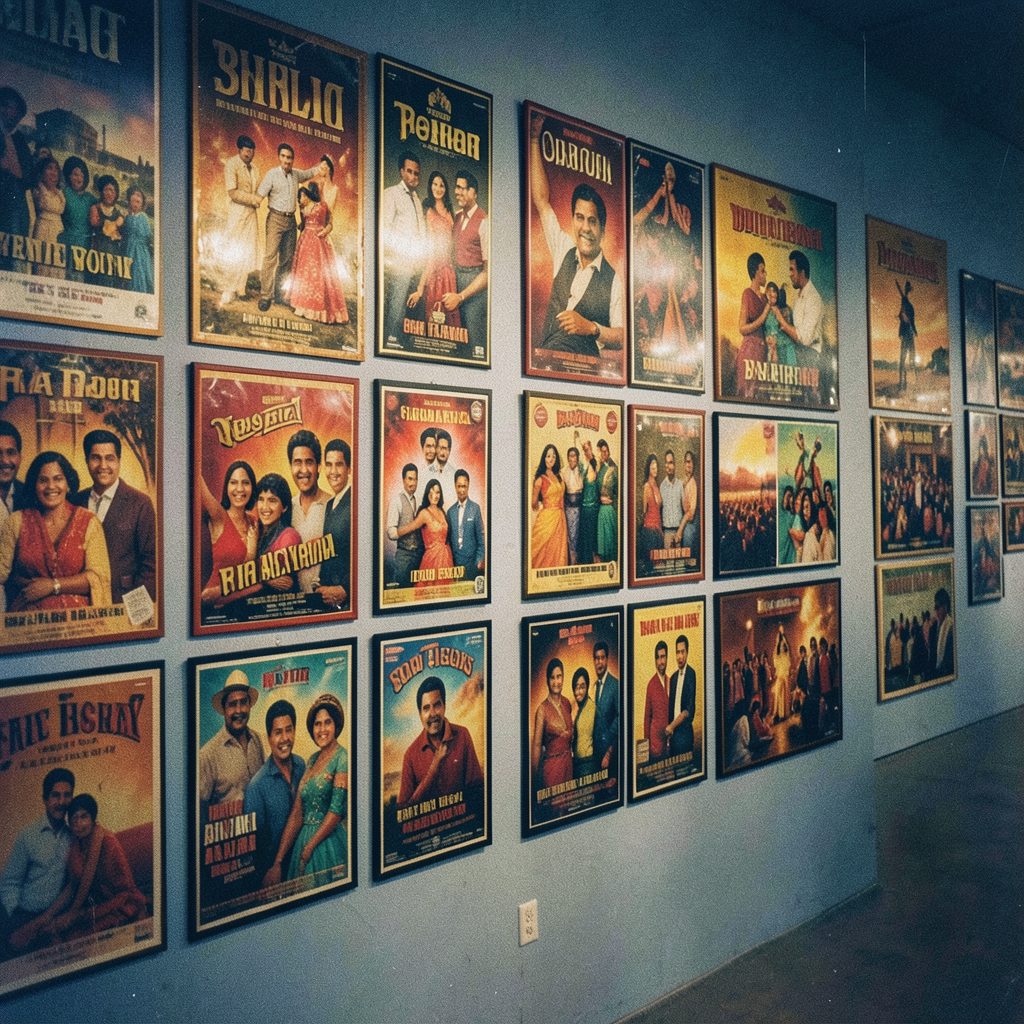

Why Bollywood’s Female-Led Action Films Remain Rare
Bollywood has repeatedly shown that audiences are willing to watch women carry stories built around danger, espionage, revenge, survival and physical combat. Films such as Mardaani, Naam Shabana, Manikarnika: The Queen of Jhansi and Gangubai Kathiawadi have demonstrated the appeal of female characters with agency, authority and emotional complexity.
Yet female-led action cinema remains a small part of mainstream Hindi film production. Male stars continue to dominate spy thrillers, cop dramas, military stories and large-scale action franchises, while actresses are more frequently placed in romantic, family or biographical narratives. The gap is striking because demand exists across theatrical audiences, streaming subscribers and international Hindi cinema viewers.
The issue is therefore less about whether audiences will accept women in action roles and more about how the industry evaluates risk, budgets, marketing and star power. Bollywood’s female-led action films are still rare because several commercial systems continue to reinforce the same choices.
Audience Interest Has Already Been Proven
The popularity of women-centered thrillers offers clear evidence that viewers do not reject female protagonists. Mardaani and its sequel built strong recognition around a determined police officer, while Kahaani proved that suspense could revolve around a pregnant woman navigating a dangerous mystery. These films were not traditional action blockbusters, but they expanded the commercial space for female-driven tension and physical stakes.
Streaming has widened that space further. Audiences now consume Korean, American and Indian action series featuring women as spies, soldiers, assassins and investigators. Hindi viewers are familiar with demanding stunt work and morally complex heroines through global platforms, which makes older assumptions about “limited demand” increasingly unconvincing.
The box office results are not always uniform, but that is true of male-led action films as well. A single underperforming release should not be treated as proof that women cannot headline the genre. Weak scripts, delayed productions, uneven visual effects and unclear marketing can affect any action title.
Star Economics Still Favors Male Heroes
Large-scale action movies are expensive. Producers must fund stunt choreography, overseas schedules, action design, safety systems, visual effects and extended post-production. When studios calculate opening weekend potential, they often choose male stars whose established fan bases are believed to guarantee higher initial footfall.
This calculation becomes self-reinforcing. Male actors receive more franchise opportunities, larger promotional campaigns and longer theatrical runs, which strengthens their market value. Actresses are then judged against a smaller number of female-led action releases, many of which receive less promotion or arrive with limited production support.
The result is a narrow definition of “bankable” talent. An actress may have strong critical credibility, digital popularity and a loyal audience, yet still be considered a risk when a film requires a major action budget. This business logic overlooks the value of a compelling character, strong word of mouth and a carefully positioned release.
The Industry Often Confuses Action With Masculinity
Hindi cinema has traditionally connected action with male identity. The action hero is expected to be physically dominant, openly aggressive and central to a revenge, policing or national-security narrative. Female characters are more often written as emotional anchors, victims seeking justice or supporting figures who motivate the male protagonist.
When women are given action roles, their bodies and appearance can receive disproportionate attention. Promotional campaigns may emphasize glamour, transformation or celebrity image instead of training, tactical ability and character development. This makes the film appear like an experiment in casting rather than a confident genre entry.
Writing is equally important. A female action protagonist needs a personal objective, believable skills, meaningful flaws and relationships that do not reduce her to a symbolic figure. If the screenplay presents her as invincible without establishing her capabilities, audiences may question the character rather than embrace her. Strong action cinema depends on storytelling first, regardless of the lead’s gender.
| Film or Franchise | Central Female Role | Genre Strength | What It Demonstrates |
|---|---|---|---|
| Mardaani | Police officer confronting trafficking networks | Crime action thriller | A grounded heroine can support a serious franchise |
| Naam Shabana | Intelligence operative in training | Spy action | Female characters can occupy traditionally male espionage spaces |
| Manikarnika | Warrior queen leading resistance | Historical action drama | Period spectacle can be built around a woman’s leadership |
| Dhaakad | Elite operative facing an international threat | Spy action | Scale alone cannot replace a persuasive screenplay |
| Akira | Young woman fighting institutional and personal threats | Action thriller | Physical action can be tied to survival and vulnerability |
| Raazi | Kashmiri woman working as an intelligence agent | Espionage drama | Suspense can be driven by sacrifice, strategy and emotional conflict |
Franchise Thinking Could Change The Equation
Bollywood has become more comfortable creating interconnected spy universes and police franchises, yet most of these worlds remain male-led. A female intelligence officer, investigator or military operative could add a different point of view without requiring the industry to abandon familiar genre structures.
Franchises also reduce the burden of selling every film as an entirely new idea. Once audiences connect with a character, future installments can build on that loyalty. The first film still needs a strong story, but a successful heroine can create long-term value through sequels, streaming spin-offs, animated projects, games and merchandise.
The challenge is to avoid making female characters secondary branches of male-led universes. A heroine should receive her own stakes, conflicts and narrative authority. A brief appearance in a larger franchise is not equivalent to sustained investment in women-centered action storytelling.
Production Quality Matters As Much As Representation
Audiences expect action films to deliver credible movement, visual scale and emotional momentum. That requires early collaboration between directors, stunt coordinators, fight designers, cinematographers and performers. Actors must receive sufficient time for strength training, weapons work and movement rehearsal before cameras begin rolling.
Some female-led projects have faced criticism because the action looked inconsistent with the character’s abilities or because visual effects reduced the sense of physical danger. These shortcomings are often blamed on the concept of a woman in the lead role, even though similar flaws in male action films are more likely to be treated as individual production problems.
Studios can improve the genre by hiring experienced action teams, protecting rehearsal schedules and presenting the heroine’s training as part of the film’s development. Authenticity does not require every protagonist to be superhuman. It requires the world of the film to establish clear rules and follow them.
Streaming Is Creating A Wider Testing Ground
Digital platforms have lowered some barriers for female-led thrillers and action dramas. A streaming release can reach viewers in smaller cities, overseas markets and households that may not purchase a theatrical ticket for an unfamiliar property. It also allows studios to assess completion rates, audience profiles and repeat viewing instead of relying only on opening-day collections.
Series formats are particularly useful for character development. A woman working as a field agent, detective or security officer can evolve across episodes, allowing the story to explore professional pressure, family expectations and ethical choices alongside action sequences.
However, streaming should not become a substitute for theatrical ambition. Women-led action films deserve the opportunity to succeed on the big screen when their scale and storytelling justify it. Theatrical visibility can influence future investment, strengthen an actress’s action-star identity and encourage more original Hindi film properties.
What Could Lead To More Female Action Heroes
The industry does not need to manufacture a trend overnight. It needs consistent investment in well-written projects, capable creative teams and realistic commercial planning. The following measures could help broaden the pipeline:
- Develop female action characters as long-term leads instead of one-film experiments.
- Fund training, stunt design and pre-production at the same level as male-led action projects.
- Market the film around its story, world and protagonist rather than relying only on glamour.
- Give women writers, directors and action designers greater authority in the creative process.
- Evaluate performance through lifetime revenue, streaming value and franchise potential.
A stronger ecosystem would also create room for different kinds of heroines. The genre can include a police procedural, a survival thriller, a historical epic, a military drama or a grounded urban revenge story. Variety matters because one unsuccessful film should not define the commercial prospects of every female-led action project.
The Next Breakthrough May Come From A New Format
Bollywood’s next major female action success may not resemble a conventional masala blockbuster. It could emerge as a tightly written investigative thriller, a streaming series that develops a loyal audience or a bilingual production designed for international distribution. Fresh formats can reduce dependence on familiar star formulas while giving performers space to establish new identities.
There is also an opportunity to connect action with subjects that are often ignored in mainstream Hindi cinema: cybercrime, financial fraud, environmental conflict, journalism, border intelligence and organized crime. These settings can produce suspense without copying the visual language of male-centered cop or spy films.
Demand is already visible, but demand becomes industry change only when producers respond with sustained confidence. Bollywood has the performers, technical talent and audience reach required to build a richer female-led action landscape. What remains missing is the willingness to treat such films as viable mainstream cinema rather than occasional exceptions.
Follow Wassupbollywood for Bollywood box office reports, action movie reviews, release updates, trailers and the latest developments shaping Hindi cinema.