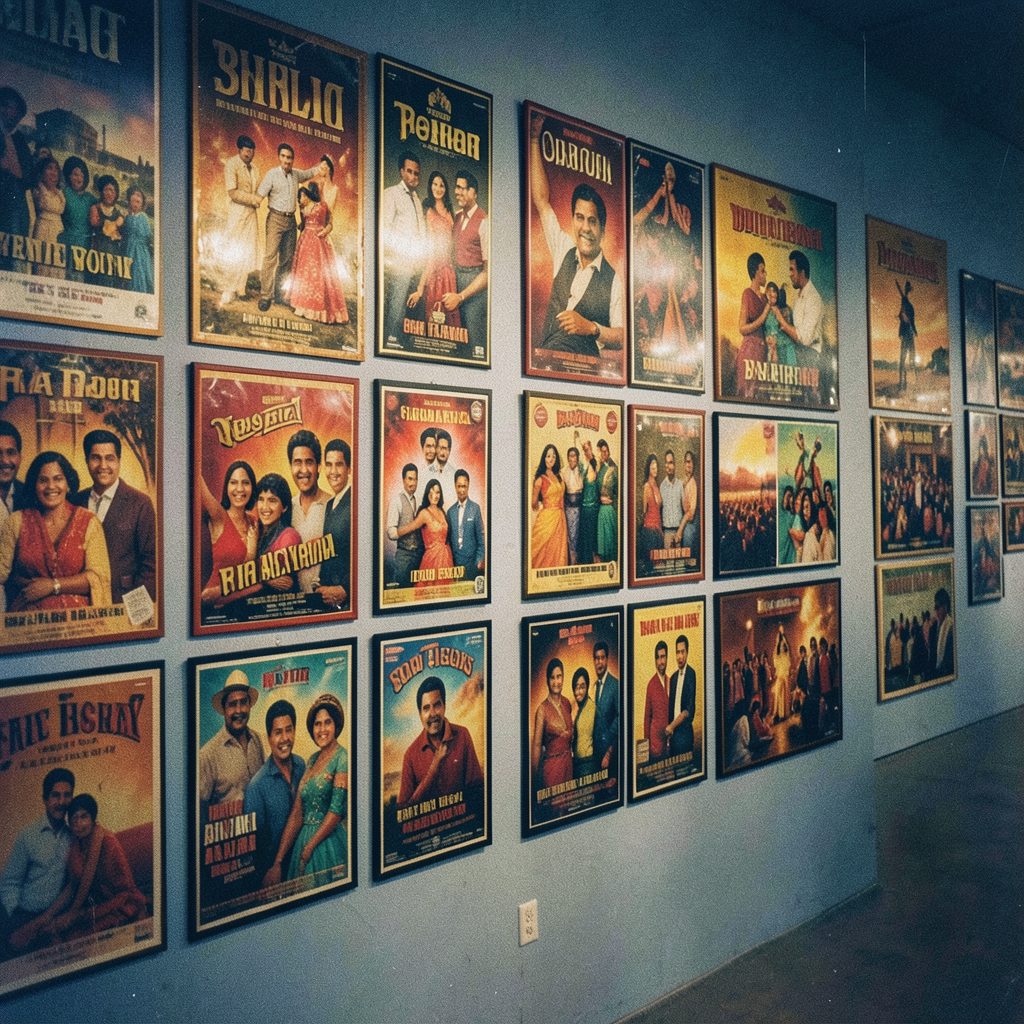

Why Bollywood biopics on unsung heroes are finding a wider audience
Bollywood has long been drawn to larger-than-life personalities: sporting champions, political leaders, film icons and military legends. Yet a quieter kind of Hindi biopic is now attracting growing attention. Stories about ordinary professionals, overlooked activists, rescue workers and community leaders are finding space in cinemas and on streaming platforms.
These films offer something that familiar celebrity stories sometimes cannot: discovery. Audiences enter the cinema without knowing every detail of the protagonist’s life, then leave with a new name, achievement or injustice to discuss. The emotional payoff comes from recognition arriving late, when the person’s contribution has finally been placed in the spotlight.
For Indian audiences in Australia, this trend has particular relevance. Hindi cinema is watched in multiplexes across Sydney and Melbourne, while viewers in western Sydney, Brisbane and Perth often follow releases through local community networks and streaming services. A grounded biographical drama can travel well because its themes of sacrifice, migration, family duty and public service feel familiar across generations.
Audiences are looking beyond familiar celebrity stories
A biopic about an established star arrives with built-in awareness. Viewers already know the songs, scandals and major milestones, so the film’s challenge is to reinterpret a well-known life. An unsung-hero film begins differently. Its central character may be unknown to most ticket buyers, creating a sense of discovery that can generate strong word of mouth.
This storytelling model also gives writers greater creative freedom. The plot does not need to repeat a heavily documented public image. Instead, it can focus on a defining moment: a teacher protecting students during a crisis, a scientist working without recognition, a sportsperson breaking a social barrier or a public servant helping a neglected community.
The appeal is especially strong among younger viewers who consume real-life stories through documentaries, podcasts and short-form video. They are comfortable searching for the historical figure after watching a trailer. A film can therefore become part of a wider digital conversation, with clips, interviews and explainers extending interest beyond the cinema release.
Emotional access matters more than fame
Uncelebrated heroes often have lives shaped by familiar pressures. They may balance work with caregiving, face resistance from relatives, struggle with money or operate in institutions that rarely reward individual effort. These details help audiences recognise the protagonist as a person rather than a monument.
That emotional access can make a modestly budgeted film feel substantial. A story about a nurse, engineer or social worker does not require constant spectacle when the personal stakes are clear. The tension may come from a deadline, a moral choice, an unsafe workplace or the fear of disappointing a family. Such conflicts are easy to understand in any country.
Australian viewers may respond to this realism through a different viewing culture from audiences in India. A film screening at a multiplex in Parramatta or Melbourne’s western suburbs competes with Hollywood franchises, local sporting events and busy family schedules. A compelling human story gives viewers a reason to recommend the film personally, rather than relying only on star power or elaborate promotion.
The changing economics of Hindi cinema
The rise of streaming has made room for biographical films that might once have been considered too niche for a wide theatrical run. Producers can now assess interest through trailers, social media engagement and regional viewing data before committing to a large campaign. A film may have a limited cinema release in India and Australia, then reach a much larger audience online.
Theatrical distribution still matters, especially for films built around patriotic feeling, social achievement or a major transformation. Collective viewing can intensify emotion, particularly when audiences cheer a breakthrough or respond to a stirring musical score. However, the economics of a biopic are increasingly shaped by its long afterlife on digital platforms.
| Feature | Conventional celebrity biopic | Unsung-hero biopic |
|---|---|---|
| Audience awareness | High before release | Often low, creating curiosity |
| Main storytelling challenge | Offering a fresh view of a known life | Making an unfamiliar life immediately engaging |
| Marketing focus | Star resemblance, songs and iconic moments | Achievement, emotional stakes and discovery |
| Budget pattern | Often larger due to scale and publicity | Can work effectively with controlled production costs |
| Streaming potential | Driven by existing fan interest | Driven by recommendations and social relevance |
| International appeal | Linked to celebrity recognition | Linked to universal themes and human resilience |
This model also suits Australia’s fragmented cinema market. Films that cannot secure a massive number of screens can still perform well through targeted showings, local Hindi film societies, diaspora promotion and later streaming access. The Australian box office is smaller than India’s, so awareness-building is crucial, particularly when a film does not feature a globally recognisable star.
Social relevance gives the stories staying power
Many unsung-hero biopics arrive during conversations about representation, public service, gender equality or regional identity. Their relevance is not limited to the period depicted on screen. A historical figure may become a way to discuss present-day access to education, workplace fairness, disability rights or the value of community leadership.
This does not mean every film needs to become a political statement. Viewers still expect strong characterisation, memorable music and an engaging narrative. The most effective examples allow the social message to emerge through the protagonist’s decisions instead of turning every scene into a speech.
Authenticity is central to that balance. Audiences are increasingly alert to invented events, exaggerated heroism and simplified villains. Costume design, dialect, production design and period detail can influence trust, while thoughtful casting helps the central figure feel culturally specific rather than manufactured for awards attention.
For Australian audiences, subtitles and language choices can affect access. Some viewers prefer Hindi with English subtitles, while second-generation Indian Australians may switch between Hindi, English and regional languages at home. A well-promoted release can appeal to both dedicated Hindi-film followers and curious viewers who are comfortable reading subtitles.
What helps an unfamiliar hero connect
The popularity of these films will depend on execution rather than the subject alone. A little-known protagonist needs a clear goal early in the story, meaningful obstacles and relationships that reveal personality. Viewers should understand why this person kept going before the final achievement is announced.
Marketing also has to explain the emotional promise without reducing the film to a slogan. A trailer can show the world the hero is trying to change, the cost of failure and the personal reason behind the mission. Posters, stills and music releases can then build recognition around the character before the audience knows the full story.
For filmmakers and distributors, several choices can make a difference:
- Choose a protagonist with a specific, dramatic conflict rather than a résumé of achievements.
- Build the screenplay around relationships, family pressures and moments of personal doubt.
- Present historical context clearly without slowing the film with unnecessary exposition.
- Use casting, costumes and production design to establish credibility from the first scene.
- Plan separate campaigns for Indian audiences, the diaspora and international viewers.
- Support the release with interviews, archival material and short videos that explain the real story.
Why the trend may endure
The appeal of overlooked figures reflects a broader shift in popular culture. Audiences still enjoy glamour and spectacle, yet they also want stories that correct the record. A biopic can give public value to work that was ignored because of class, gender, geography, profession or limited access to media attention.
Bollywood is well placed to develop this space. Its combination of music, emotion, family drama and social commentary can make a historical life accessible to mainstream viewers. When the subject is handled with restraint, a modest personal story can achieve the scale of a national conversation.
The strongest films will avoid turning every protagonist into a flawless symbol. Real people make mistakes, lose opportunities and sometimes achieve progress through collaboration rather than individual brilliance. Showing those imperfections makes recognition feel earned and leaves the audience with a sharper understanding of what heroism can look like.
For viewers in Australia, the next Hindi biopic worth watching may not feature a famous surname or a familiar face. It may centre on someone whose work shaped a school, a village, a laboratory or a community without attracting headlines. Checking the real history after the credits is often the clearest sign that the film has done its job: it has turned an overlooked life into knowledge worth carrying forward.