Why Bollywood’s Behind-the-Scenes World Keeps Fans Engaged
A Bollywood release now reaches audiences long before its cinema date. Fans see rehearsal clips, costume fittings, location diaries, dubbing-room moments and candid interactions between cast members while a film is still taking shape. This extra material gives viewers a sense of access that a traditional trailer or poster cannot provide.
For Hindi cinema, behind-the-scenes storytelling has become a bridge between publicity and community. A dance rehearsal can trigger remixes, a director’s explanation can inspire debate and a glimpse of a set can send audiences searching for details about locations, costumes or production design. The film becomes a continuing conversation rather than a single release-day event.
This shift is especially visible among Bollywood followers in Australia. Viewers in Sydney, Melbourne, Brisbane and Perth often follow Indian entertainment through YouTube, Instagram and streaming services, fitting new clips around commuting, study and family routines. Timely production content helps a film remain visible across different time zones and keeps overseas fans connected to the Hindi film market.
How access changed the fan relationship
Earlier promotional campaigns placed actors at a carefully controlled distance. Magazine interviews, television appearances and formal press events offered information, but fans rarely saw the ordinary work behind a performance. Today, a short clip of an actor practising dialogue or waiting between takes can create a stronger feeling of closeness.
That feeling does not require genuine private access. It comes from seeing effort, uncertainty and teamwork. When an actor repeats a difficult scene, a choreographer corrects a movement or a cinematographer adjusts a light, audiences recognise the human labour behind the polished image. The star remains aspirational, yet also appears reachable.
This is one reason behind-the-scenes content is boosting fan engagement across Bollywood’s digital ecosystem. Viewers are more likely to comment, share, save and revisit material that feels personal or revealing. Engagement becomes connected to the process of filmmaking, rather than limited to opinions about a finished movie.
The appeal of visible craft
Production diaries make technical work easier to appreciate. Fans can see how a period set is constructed, why a costume has a particular colour or how a song sequence uses cranes, practical effects and repeated takes. These details add value to trailers and stills because they explain how the visual world was created.
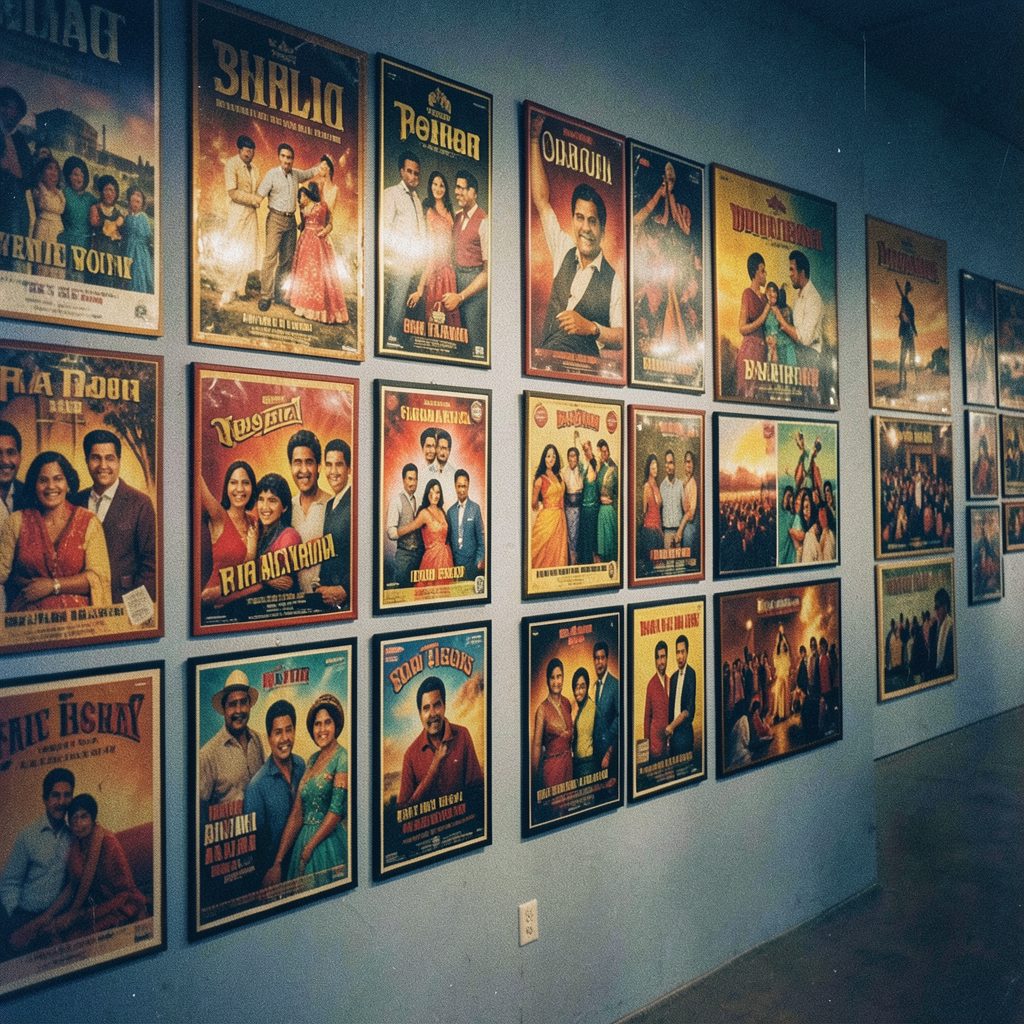
Music provides an especially powerful entry point. Dance rehearsals expose the precision behind apparently effortless performances, while recording clips show how playback singing, arrangement and choreography work together. For readers interested in the history of Hindi film spectacle, this feature on iconic item numbers gives useful context for understanding why song production remains central to Bollywood’s identity.
The result is a richer form of fandom. Viewers may begin with a favourite actor, then develop an interest in costume design, editing, sound mixing or stunt coordination. Behind-the-scenes footage expands the number of people and departments audiences feel invested in.
Short clips turn attention into participation
Social platforms reward material that can be watched quickly and understood without extensive context. A 20-second rehearsal mistake, a funny exchange on set or a time-lapse of a transformation can travel further than a lengthy interview. These clips are easy to share in group chats and often invite viewers to create their own reactions, edits and meme formats.
The strongest campaigns use several layers of content. A production still may establish a film’s look, a making-of video can explain its scale, and a cast clip can add warmth. Together, these assets give fans different ways to participate. Some will analyse a teaser frame, while others will focus on a dance move, accent or friendship between performers.
Australian audiences often discover Hindi cinema through recommendation feeds rather than local television schedules. A fan in Melbourne might encounter a rehearsal video on Instagram, watch the full song on YouTube and then look up an Australian release date. Each small interaction helps move the viewer from casual awareness towards active interest.
Different formats serve different fan moods
Behind-the-scenes material works because each format answers a different audience need. A long production feature suits fans who want detail, while a short vertical clip is better for discovery. Live sessions create immediacy, and still photography allows viewers to examine fashion, sets and expressions at their own pace.
| Content format | Main fan appeal | Useful engagement | Common risk |
|---|---|---|---|
| Rehearsal clip | Shows effort and personality | Comments, shares and remixes | Revealing too much of the performance |
| Set tour | Explains scale and design | Saves and longer viewing | Making the production look unfinished |
| Cast interview | Builds emotional connection | Replies and fan discussions | Sounding overly scripted |
| Costume or makeup video | Highlights transformation | Fashion references and searches | Reducing craft to celebrity appeal |
| Live broadcast | Creates immediacy | Real-time questions and reactions | Unplanned remarks or spoilers |
The format also affects how a film is remembered. A polished trailer may create excitement for a few weeks, while a series of varied updates can maintain attention across a longer release campaign. This matters for films with delayed Australian distribution, where local viewers may need reminders after the Indian theatrical opening.
Authenticity needs careful boundaries
Audiences are drawn to spontaneous moments, yet a supposedly candid clip can feel artificial when every reaction appears staged. Fans have become skilled at recognising promotional choreography. Content performs best when it provides a real detail, such as the difficulty of a stunt or the reasoning behind a set design, instead of pretending that a marketing appearance is private life.
Boundaries are equally important. Cast members and crew deserve control over sensitive information, and production companies need to protect unreleased footage, contracts and intellectual property. In Australia, privacy expectations are shaped by the Privacy Act 1988, while the Online Safety Act 2021 creates a wider framework for harmful online material. These laws do not govern every promotional clip in the same way, but they reinforce the need for responsible handling of personal and digital content.
Spoilers also require judgement. A glimpse of a costume or location can generate theories, while a careless clip may reveal a character’s fate. Clear labelling, selective editing and timed releases help preserve the theatrical experience. Respecting audience trust is a commercial advantage because disappointed fans can quickly express their reaction across multiple platforms.
Local audiences make engagement more valuable
Australia’s Indian diaspora gives Bollywood a strong cultural base, but the audience is broader than that community. Film societies, university groups and multicultural festivals introduce Hindi cinema to viewers who may follow particular actors, songs or visual styles without speaking Hindi fluently. Behind-the-scenes subtitles and short explanations make production stories easier to share across these groups.
Release timing also matters. A post published during India’s evening can appear during the Australian workday, while premieres and live events may fall late at night in Sydney or early morning in Perth. Distributors can extend attention by offering recorded interviews, captioned clips and region-specific reminders instead of expecting every overseas fan to follow an event live.
The local market has practical limits. Australian cinema attendance is influenced by ticket prices, travel distance and competing Hollywood releases, while streaming subscriptions give viewers more choice at home. A memorable making-of campaign can reduce uncertainty by showing why a film deserves a cinema visit, particularly for large-scale action, music and period productions.
Turning views into lasting fandom
Behind-the-scenes content has the greatest effect when it supports a clear story about the film. Audiences should understand whether they are being shown a demanding performance, an unusual location, a new musical collaboration or a technical achievement. Random uploads may attract temporary views, but connected material builds anticipation and recognition.
It can also deepen post-release discussion. After watching a film, viewers may return to a stunt breakdown, compare rehearsal footage with the final scene or notice how an early costume test evolved. This second layer gives reviews, box office coverage and fan commentary more substance because the audience has seen part of the creative journey.
The most effective approach is therefore selective access: enough detail to reward curiosity, enough personality to create emotional investment and enough restraint to protect the finished work. For Bollywood campaigns targeting Australia, a practical takeaway is to pair short, captioned production clips with reliable release information and carefully timed longer features.