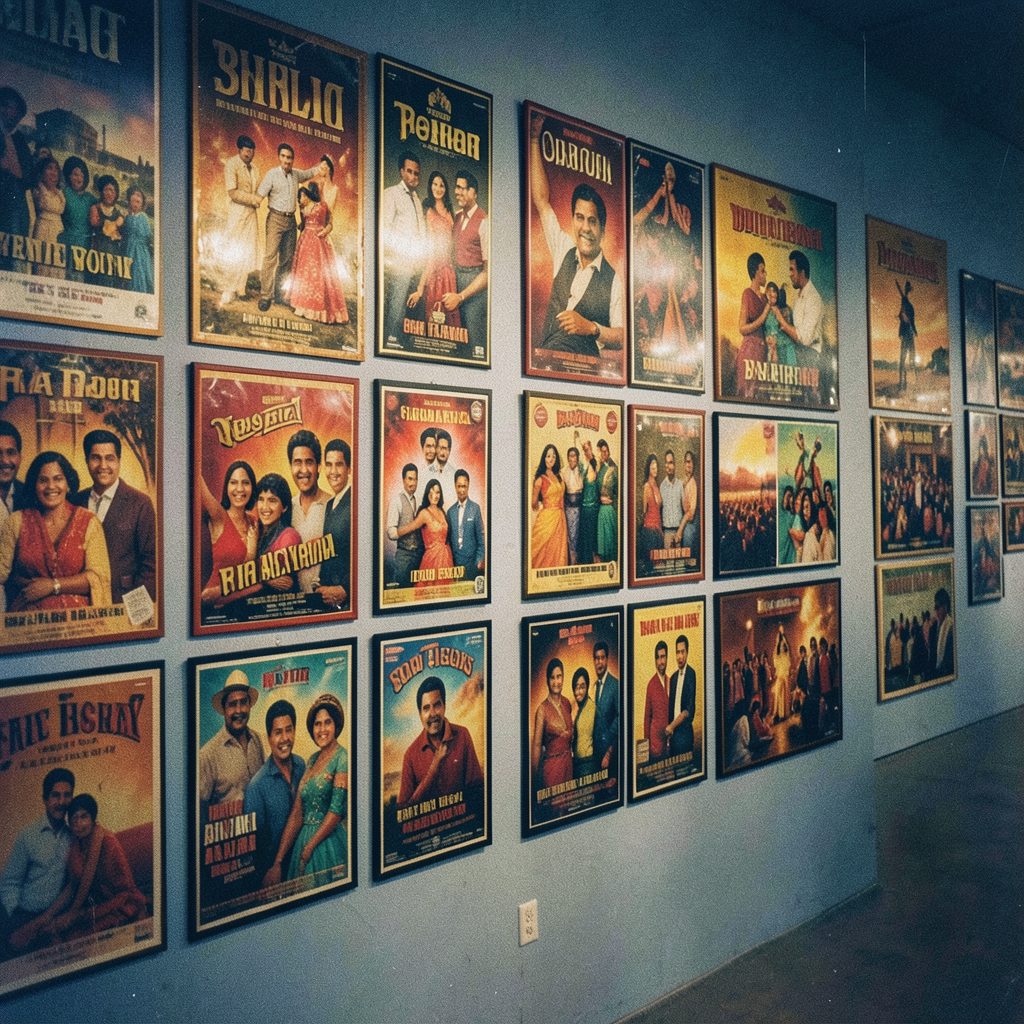

Why Bollywood Is Finally Embracing Gender-Flipped Remakes
Bollywood has always borrowed, adapted and reinvented stories. What is changing now is the willingness to move a familiar male character into a female body, or to rebuild a male-centered plot around women’s choices, ambitions and anger. This shift is bringing gender-flipped remakes and female-led reimaginings into mainstream discussion.
For decades, Hindi cinema often treated remakes as safe commercial products. A successful hero vehicle could be reproduced with another star, a new soundtrack and a contemporary setting. Today, audiences are more alert to repetition, and a simple copy rarely creates enough excitement. Changing the gender of the central character can make an old premise feel culturally relevant again.
The result is a fascinating overlap between box-office strategy and social change. Producers see an opportunity to refresh recognizable intellectual property, while writers can question the assumptions built into classic action, crime, romance and comedy narratives. Coverage of this evolving industry belongs naturally alongside the latest Bollywood entertainment news, where casting, remakes and audience reactions meet.
Familiar Stories Meet New Viewpoints
A gender-flipped remake is not merely a role reversal. It can alter the power structure of an entire story. A male character who walks into a dangerous neighborhood may be presented as fearless; a female character in the same situation may face surveillance, sexual threat, family restrictions and institutional disbelief before the central conflict even begins.
That difference gives writers new dramatic material. A revenge plot can explore the social cost of a woman refusing silence. An action film can examine how strength is judged differently when displayed by a woman. Even a romantic comedy can expose the unequal freedoms granted to men and women.
Hindi cinema has been moving toward these perspectives for years through original films such as Kahaani, Mardaani, Raazi, Thappad and Crew. They are not all remakes, but their popularity has helped prove that female protagonists can carry suspense, action, emotional drama and commercial entertainment without being reduced to a supporting love interest.
The Business Case Behind the Shift
The commercial logic is straightforward. Remakes arrive with a recognizable premise, a built-in memory and an existing audience. Gender-flipping adds a second layer of novelty, allowing marketers to promote the project as both familiar and unexpected. That combination can be valuable in a crowded release calendar.
Streaming has also influenced the calculation. Digital platforms have created room for stories that may once have been considered too niche for a theatrical release. At the same time, successful female-led films have shown that viewers respond to women-centered narratives when the writing and production match the ambition.
Star casting remains essential. A gender-swapped remake needs an actor with enough presence to escape comparisons with the original performer. The lead must appear to own the character rather than imitate a famous masculine performance. This is why the choice of actor, director and tone often matters more than the original film’s reputation.
What Changes When the Hero Becomes a Woman
The transformation works best when the screenplay treats gender as part of the character’s lived reality. A woman entering a traditionally male profession may encounter barriers that the original hero never faced. Her family relationships, public image and physical safety can become central sources of tension rather than decorative subplots.
This approach can also change the emotional vocabulary of a genre. An action heroine does not need to copy a swaggering male hero beat for beat. Her power may emerge through patience, strategic thinking, community support or the ability to survive systems designed to exclude her.
The same principle applies to comedy. A female character can be selfish, ambitious, sexually confident or morally complicated without being punished by the screenplay for breaking conventional expectations. Gender-flipped storytelling becomes meaningful when it expands the range of women on screen, rather than replacing one idealized figure with another.
Remake, Adaptation Or Reinterpretation
The language used to describe these projects matters. A direct remake follows the plot, characters and major beats of an earlier film. An adaptation borrows the core idea but changes the setting, relationships or tone. A reinterpretation uses the original as a starting point while asking a new cultural question.
Bollywood’s current movement often sits between these categories. Some projects may retain a famous premise while changing the protagonist’s gender. Others borrow the emotional engine of a classic but build an entirely different social world around it. Calling every female-led version a remake can hide the creative work involved in rewriting the material.
| Story element | Traditional remake | Gender-flipped reimagining |
|---|---|---|
| Central character | Repeats the original hero | Rebuilds the lead around a woman’s experience |
| Main conflict | Preserves familiar stakes | Adds social, professional or personal restrictions |
| Performance style | Invites comparison with the original | Requires a new physical and emotional language |
| Marketing appeal | Recognition and nostalgia | Recognition combined with surprise |
| Main risk | Feeling repetitive | Becoming a cosmetic gender swap |
Recent Films Show The Possibilities
The rise of female-led thrillers, action dramas and heist stories has prepared audiences for this transition. Films such as Veere Di Wedding, Gangubai Kathiawadi, Jigra and Crew demonstrate that women can anchor very different kinds of mainstream cinema, from ensemble comedy to crime drama and survival stories.
These films also reveal that viewers do not expect a single model of female representation. Some prefer rebellious characters; others connect with flawed professionals, protective sisters, ambitious workers or women navigating complicated friendships. A successful gender-flipped project should therefore avoid presenting its lead as a symbolic spokesperson for all women.
The strongest examples make room for contradiction. Their protagonists can be brave and frightened, generous and selfish, socially aware and deeply confused. That complexity gives a remake a chance to become a living film rather than a marketing exercise built around a clever casting announcement.
Where The Experiment Can Go Wrong
The most obvious danger is cosmetic swapping. If a male character is simply renamed, dressed differently and played by a woman while every social condition remains unchanged, the result may feel artificial. Audiences can tell when a screenplay wants credit for progress without doing the work of rethinking the story.
Another risk is turning empowerment into spectacle. A woman beating up villains in a slow-motion sequence may be visually exciting, but the film still needs a convincing motivation, credible consequences and relationships that are not included solely to explain her pain. Representation becomes stronger when the character has a life beyond the message.
There is also the problem of nostalgia overpowering originality. If a remake spends too much time recreating iconic scenes, it can reduce its new lead to a comparison point. The better route is to preserve the emotional or structural appeal of the source while allowing the new film to surprise its audience.
Principles For A Stronger Remake Culture
For gender-flipped remakes to develop into a lasting creative movement, filmmakers and studios should focus on the following:
- Rewrite the central conflict instead of changing only the protagonist’s name and casting.
- Give women distinct friendships, ambitions and flaws outside the romance plot.
- Hire writers and directors who understand the social experience being portrayed.
- Use nostalgia as an entry point, then build a fresh visual and emotional identity.
- Judge the film as a story first, while remaining honest about its gender politics.
The audience also has a role in shaping the trend. Viewers can support ambitious female-led films while calling out shallow writing, tokenism and recycled stereotypes. Reviews, box-office conversations, trailers and social media reactions all influence which versions of representation receive further investment.
Bollywood is embracing gender-flipped remakes because the idea answers several needs at once: it refreshes familiar properties, creates stronger roles for leading actresses and reflects a culture increasingly willing to challenge inherited formulas. The most exciting projects will not ask whether a woman can perform the old hero’s actions. They will ask what those actions mean when the world responds to her differently.
Keep following Wassupbollywood for film reviews, release updates, box-office analysis and the stories shaping Hindi cinema’s next creative turn.