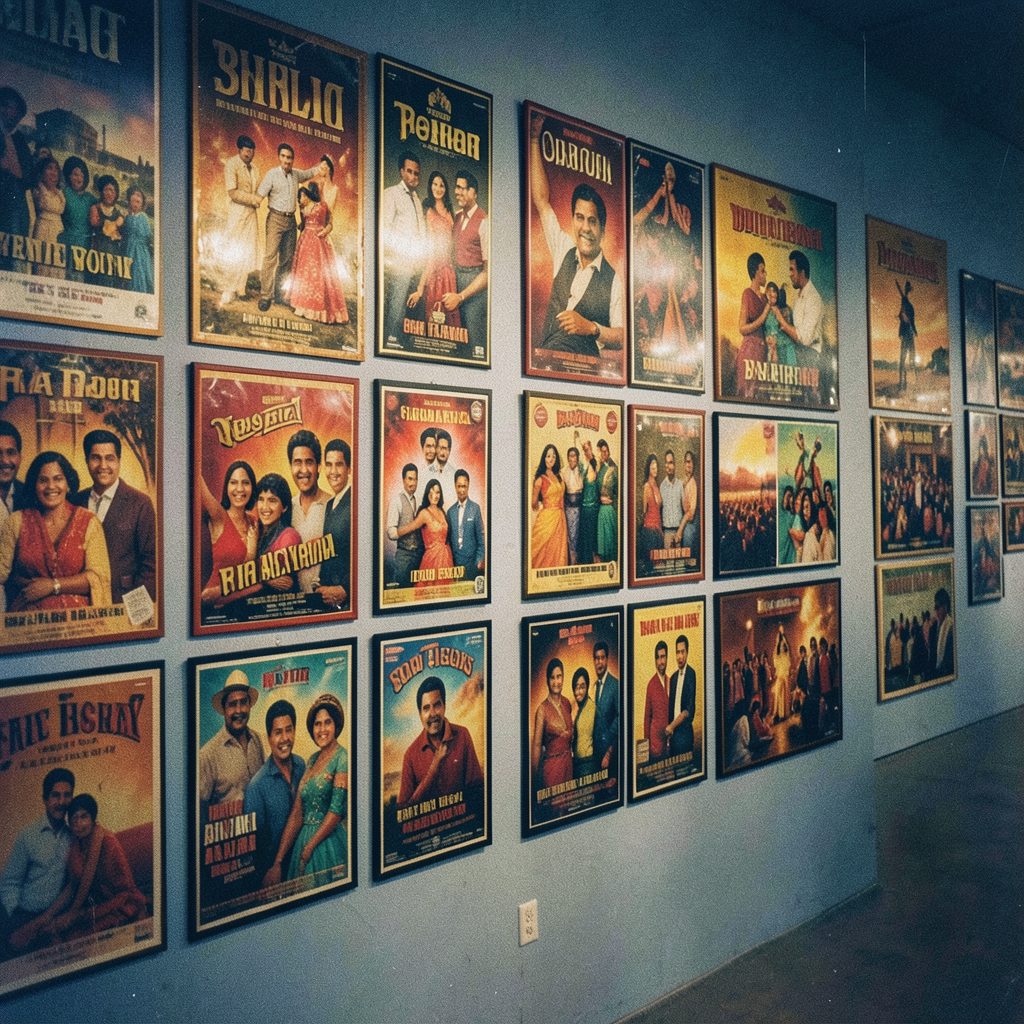

The Unsung Heroes: Bollywood’s Best Supporting Actors Who Never Got Their Due
Bollywood’s leading stars may dominate posters, trailers and opening-day headlines, but many Hindi films are remembered because of the performers working just outside the spotlight. A sharply timed reaction, a weary pause or a quietly devastating exchange can give a scene its emotional identity. These supporting actors often make fictional worlds feel lived-in while receiving a fraction of the attention given to the hero and heroine.
Their work is especially important in films built around family conflict, social realism, crime, romance and comedy. They play parents, friends, police officers, villains, neighbours, teachers and damaged outsiders, giving texture to stories that could otherwise feel polished but hollow. Yet awards campaigns, celebrity culture and commercial marketing frequently overlook the people who hold the narrative together.
From veteran character actors to contemporary scene-stealers, Hindi cinema has produced a remarkable group of artists whose influence is greater than their billing suggests. Their performances deserve to be revisited with the same enthusiasm reserved for a film’s headline names.
Performers Who Gave Hindi Cinema Its Texture
Sanjeev Kumar remains one of the clearest examples of an actor who could disappear completely into a character. In Sholay, his restrained portrayal of Thakur Baldev Singh gave the revenge drama its moral weight. His work in Koshish, Aandhi and Mausam showed an extraordinary ability to express grief, dignity and emotional exhaustion without theatrical excess.
Om Puri brought a similarly powerful naturalism to the screen. His performances in Ardh Satya, Aakrosh and Maachis captured the pressure placed on ordinary men by violence, corruption and social injustice. Even when his characters were angry or morally compromised, Puri gave them an unmistakable humanity. International recognition came later, but the full range of his contribution to Indian cinema was never adequately celebrated by mainstream stardom.
Pankaj Kapur has also spent much of his career proving that a performer does not need conventional hero status to dominate a film. Whether playing a conflicted father, an eccentric intellectual or a deeply flawed authority figure, he adds layers that are easy to miss on a first viewing. His control over voice, body language and silence makes even small scenes feel dramatically significant.
Scene Stealers Across Generations
Vijay Raaz has built a career from characters that audiences remember long after the credits roll. His performance as Dubeyji in Monsoon Wedding combined comic timing with vulnerability, while Run introduced a style of deadpan humour that became widely imitated. He can turn a few lines into an entire personality, yet his contribution is often reduced to the phrase “comic relief.”
Rajpal Yadav faced a similar problem. His energetic performances in Pyaar Tune Kya Kiya, Hungama, Bhool Bhulaiyaa and Garam Masala helped define the rhythm of early-2000s Hindi comedy. Behind the exaggerated expressions was a precise performer with excellent timing. The industry frequently rewarded his comic image while failing to acknowledge how technically demanding that style can be.
Kay Kay Menon belongs to a different tradition of scene-stealing. In films such as Black Friday, Shaurya, Gulaal and Haider, he brings intelligence and menace without relying on familiar superstar mannerisms. His characters are often morally ambiguous, which makes them difficult to package for a mass audience. That complexity is precisely what makes his work so valuable.
Women Who Turned Supporting Roles Into Anchors
Bollywood’s supporting actresses have often faced an even narrower space. Their characters may be central to a film’s emotional structure, but marketing tends to describe them as mothers, wives, sisters or comic figures rather than as fully formed performers.
Ratna Pathak Shah has challenged that limitation throughout her career. In Jaane Tu... Ya Jaane Na, Khoobsurat and Lipstick Under My Burkha, she has played women whose sharpness, anxiety and contradictions feel recognisably real. Her performances carry both authority and vulnerability, allowing supposedly secondary characters to become the most memorable people in the story.
Supriya Pathak’s work in Ram-Leela demonstrated how a supporting role can become a film’s emotional engine. As Dhankor Baa, she created a character who was frightening, wounded and politically powerful at the same time. Seema Pahwa has offered a different kind of impact in films such as Bareilly Ki Barfi and Shubh Mangal Saavdhan, finding humour and warmth in imperfect middle-class families.
Farida Jalal and Reema Lagoo also deserve wider recognition for redefining the Bollywood mother. They brought distinct personalities to roles that could easily have become sentimental stereotypes. Their performances made family scenes credible, funny and emotionally complicated.
| Performer | Memorable Work | Quality Often Overlooked | Lasting Contribution |
|---|---|---|---|
| Sanjeev Kumar | Sholay, Koshish, Aandhi | Emotional restraint | Elevated character-driven drama |
| Om Puri | Ardh Satya, Aakrosh, Maachis | Social realism | Gave working-class characters dignity |
| Vijay Raaz | Monsoon Wedding, Run | Precision comic timing | Made minor roles unforgettable |
| Ratna Pathak Shah | Lipstick Under My Burkha, Khoobsurat | Emotional and intellectual range | Expanded the modern female character |
| Kay Kay Menon | Black Friday, Haider | Psychological intensity | Brought ambiguity to mainstream cinema |
| Seema Pahwa | Bareilly Ki Barfi, Shubh Mangal Saavdhan | Naturalistic humour | Made family ensembles feel authentic |
Why Great Supporting Work Is Often Underappreciated
The Hindi film industry has traditionally been organised around star power. A leading actor’s name drives pre-release publicity, satellite value and opening collections, while supporting performances are treated as part of the film’s package. This commercial structure makes it harder for character actors to receive sustained media coverage, even when audiences respond strongly to their work.
Awards can also simplify the conversation. Supporting actor categories are useful, but they sometimes imply that a performer’s contribution is secondary by definition. A role may have limited screen time and still determine the emotional direction of a film. In ensemble dramas, the distinction between “lead” and “supporting” can be more about billing than artistic importance.
Typecasting creates another barrier. Once an actor becomes known for comic parts, parental roles or villains, producers may stop imagining them in radically different characters. Audiences then associate the performer with a familiar image, making transformative work less visible. The result is a career full of memorable scenes but relatively few opportunities to become the central subject of public discussion.
Performances That Changed the Mood of a Film
A great supporting actor understands rhythm. They know when to slow a scene down, when to interrupt a dramatic exchange with humour and when to let another performer take the emotional focus. This instinct can transform the tone of an entire film.
In Maqbool, Pankaj Kapur’s presence contributes to the film’s uneasy atmosphere of ambition and betrayal. In Omkara, Naseeruddin Shah’s supporting appearance adds authority and moral gravity without taking attention away from the central characters. Irrfan Khan, before becoming a leading international name, repeatedly brought this same intelligence to supporting parts in films such as Haasil and Maqbool.
Contemporary cinema continues to benefit from artists such as Kumud Mishra, Sheeba Chaddha, Ashish Vidyarthi and Tillotama Shome. Their performances in independent films, streaming series and mainstream releases demonstrate that character acting is not a lesser form of stardom. It is a separate craft built on observation, restraint and the ability to make a fictional person feel complete.
Ways To Appreciate Character Actors More Fully
Audiences can help shift the conversation by paying attention to the complete cast rather than focusing only on the celebrity leads. A film’s emotional power often becomes clearer when viewers track the secondary characters and ask what each performer adds to the story.
- Rewatch celebrated films with particular attention to supporting performances and background reactions.
- Explore filmographies instead of judging an actor by one comic, villainous or parental role.
- Share specific scenes and performances on social media rather than discussing only opening-day collections.
- Support ensemble films, independent productions and character-led streaming projects.
- Include veteran and supporting performers in conversations about Bollywood’s finest acting talent.
Giving Credit Where the Camera Often Lingers
The best supporting actors do more than fill out a cast list. They establish a film’s social world, reveal what the protagonist cannot say and create the moments that viewers quote years later. Their faces may not always appear on the largest posters, but their work frequently supplies the heart, humour and tension audiences remember.
Bollywood’s history looks richer when viewed through these performers. Revisit their films, celebrate their standout scenes and give their names the same attention usually reserved for headline stars. Supporting talent is central talent, and Hindi cinema’s legacy is incomplete without acknowledging the artists who made every story feel more human.