The strategy behind Bollywood’s longest-running film franchises
Bollywood franchises rarely survive on a familiar title alone. A successful series must give audiences something recognisable while creating enough novelty to justify another ticket, another streaming session and another round of social media conversation. The strongest Hindi film brands balance dependable entertainment with a sense of occasion.
This is especially important in a market where theatrical habits have changed quickly. A film may open in Mumbai and Delhi on the same weekend as it reaches Sydney, Melbourne, Brisbane and Perth. Overseas audiences, including Australia’s large Indian diaspora, can influence a franchise’s international reputation, while local school holidays and long weekends can shape the value of a release date.
The commercial equation now extends beyond ticket sales. Satellite rights, streaming deals, music, brand partnerships, dubbed versions and merchandise all contribute to a film’s lifespan. A franchise can remain valuable even when individual instalments receive mixed reviews, provided its central promise stays clear.
For fans following Bollywood news, trailers and box office predictions, the most interesting question is not simply which sequel will be a hit. It is how producers protect a cinematic identity across changing stars, directors, technologies and audience expectations. The answer lies in several repeatable strategies.
A recognisable promise gives audiences a reason to return
Every durable franchise has a simple emotional or entertaining proposition. Golmaal offers chaotic friendship and comic misunderstandings. Housefull leans into farce, mistaken identity and a large ensemble. Dhoom sells stylish thieves, spectacular chases and an urban crime fantasy. The stories can change, but the audience knows the flavour before the trailer arrives.
This promise works like a contract. Viewers may accept a new villain, location or supporting cast because the series has already established the experience they want. Singham carries the appeal of an upright police hero and heightened action, while the broader cop universe adds connections that make each new release feel larger.
Consistency does not mean repeating every plot point. It means protecting the franchise’s emotional centre, visual language and entertainment rhythm. A comedy can update its jokes for younger viewers, and an action film can introduce new technology, but both need to feel like part of the same family.
Stars create trust, while characters create longevity
Bollywood has traditionally built franchise power around major stars. Salman Khan’s association with Tiger, Ajay Devgn’s connection to Singham and Akshay Kumar’s presence in several comedy brands give audiences an immediate reason to pay attention. Star power reduces marketing friction because a familiar face can communicate scale in a poster, teaser or television appearance.
Yet an actor alone cannot guarantee a long life. Contracts, scheduling pressures, ageing, creative disagreements and fee increases can all disrupt a series. The most resilient franchises therefore build memorable characters with traits that can survive changes around them. A recognisable villain, police badge, gadget, catchphrase or musical motif can carry brand memory between films.
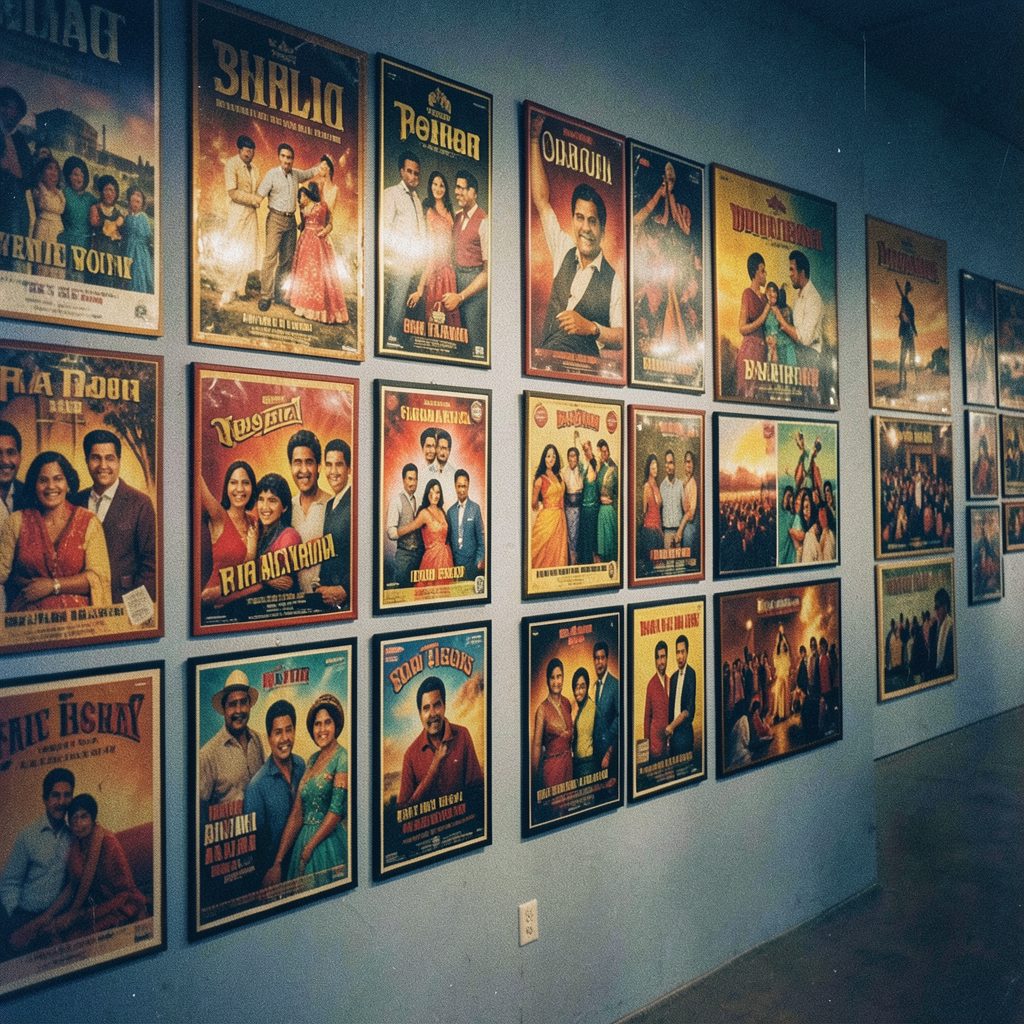
This is where the Bollywood entertainment hub becomes useful for fans tracking the wider ecosystem. A franchise is supported by interviews, posters, stills, fashion moments, songs and celebrity updates, all of which keep its characters visible between theatrical campaigns. In Australia, that visibility matters when a film is competing for attention across Hindi, Tamil, Telugu, Hollywood and streaming releases.
Expansion works when the world feels bigger, not merely crowded
The modern Hindi film franchise increasingly treats each instalment as part of a connected universe. Yash Raj Films’ spy series links characters such as Tiger, Kabir and Pathaan, while Rohit Shetty’s cop universe turns separate heroes into a shared action property. Crossovers can create event value because audiences are encouraged to follow several films rather than one isolated story.
Shared universes also provide marketing advantages. A cameo can become a headline, a post-credit scene can generate speculation and a familiar character can move attention from an established film to a newer one. This strategy resembles the way global superhero studios build continuity, yet Bollywood adds its own mix of songs, star entrances, family viewing and heightened melodrama.
Expansion has a limit, however. Too many references can make a film feel like homework, especially for casual viewers who have missed an earlier chapter. The best connected franchises make each film understandable on its own while rewarding committed fans with extra layers. A cinema audience in Melbourne should be able to enjoy the latest action spectacle without needing a complete viewing history.
| Franchise model | Core audience promise | Main growth tactic | Main risk |
|---|---|---|---|
| Comedy ensemble | Familiar personalities and escalating chaos | Rotate settings, conflicts and supporting actors | Recycled humour |
| Action hero series | Star charisma, justice and spectacle | Upgrade stunts, villains and locations | Formula fatigue |
| Spy or cop universe | Shared heroes and event-scale crossovers | Connect separate films and cameo appearances | Continuity becoming confusing |
| Musical or family brand | Songs, emotion and broad accessibility | Refresh the cast while preserving tone | Losing the original heart |
| Crime thriller series | Style, ambition and high-stakes conflict | Shift cities, timelines or protagonists | Repetition without discovery |
Release timing turns a sequel into an event
A franchise film depends on strategic scheduling as much as creative planning. Eid, Diwali, Christmas and Republic Day have long been important windows in India because audiences are more willing to spend on group entertainment. A strong holiday period can increase occupancy, premium-screen demand and word of mouth within a compressed timeframe.
The overseas calendar requires separate thinking. In Australia, distributors may target weekends around Diwali celebrations, public holidays or the summer school break, when families have more leisure time. Screen access in Sydney’s western suburbs, Melbourne’s northern and south-eastern areas, and major multiplex markets such as Brisbane and Perth can be central to an opening strategy. A release that arrives too close to a major Hollywood tentpole may struggle for screens even if interest is strong.
Local viewing habits also influence the campaign. Audiences may combine a cinema visit with dinner, shopping or a community celebration, while some viewers wait for a streaming premiere. Premium formats, subtitles and convenient session times can matter as much as advertising. Australian box office performance is therefore a useful indicator of diaspora enthusiasm, though it should be read alongside India’s single-screen, multiplex and regional-market results.
Franchises also benefit from predictable promotional beats. A first-look poster creates early awareness, a teaser establishes tone, a trailer reveals scale and music launches maintain momentum. This sequence gives entertainment media a steady stream of material rather than asking audiences to remember a film after one announcement.
Music, fashion and fan culture extend the commercial life
Songs remain one of Bollywood’s strongest franchise tools. A title track can revive an old character, while a dance number can reach listeners who are not yet planning a cinema visit. Music videos, reels and wedding playlists help a film travel through culture before opening weekend. For a franchise, recurring musical signatures can provide continuity even when plot and cast change.
Visual identity is equally important. A hero’s sunglasses, uniform, hairstyle or entrance can become instantly recognisable in posters and fan edits. Fashion coverage turns promotion into lifestyle content, while wallpapers and stills keep a title present on phones and social feeds. These elements are particularly valuable for overseas fans who may follow a film closely before it receives wide theatrical availability.
Fan communities amplify every stage of the campaign. Australian viewers often discuss trailers in family WhatsApp groups, attend special screenings with friends and share reactions across Instagram, YouTube and local community networks. That activity can compensate for a smaller number of screens compared with India, creating concentrated enthusiasm in key suburbs.
The strategy succeeds when promotion feels like participation rather than repetition. A song, dialogue or costume should give fans something to perform, quote, remix or display. The franchise then becomes part of everyday entertainment culture instead of remaining a product advertised for a few weeks.
Longevity depends on controlled reinvention
The longest-running Hindi film series understand that familiarity eventually produces fatigue. Reinvention may involve a new director, a different setting, a younger supporting cast, a darker tone or a shift from comedy to action. The change must be substantial enough to create curiosity, yet controlled enough to preserve the original promise.
Sequels also need stronger internal quality checks than their predecessors. An audience may forgive a weaker middle chapter if the brand returns with a compelling story, but repeated underperformance erodes trust. Reviews, opening-day trends, audience feedback and streaming data can all inform decisions about whether a franchise should continue, pause or move in a new direction.
There is also value in ending at the right moment. A series that closes with a satisfying chapter can protect its catalogue and leave room for a future revival. Endless sequels may generate short-term revenue, but they can weaken the characters and reduce the sense of an event. Long-term planning treats each instalment as part of a portfolio rather than an isolated gamble.
For Australian viewers, the practical test is simple: a durable franchise should offer enough familiarity to feel worth leaving home for, enough freshness to reward the ticket price, and enough cultural energy to remain enjoyable after the credits. The strongest strategy is to preserve the character audiences came to see while changing the world, conflict and spectacle around them.