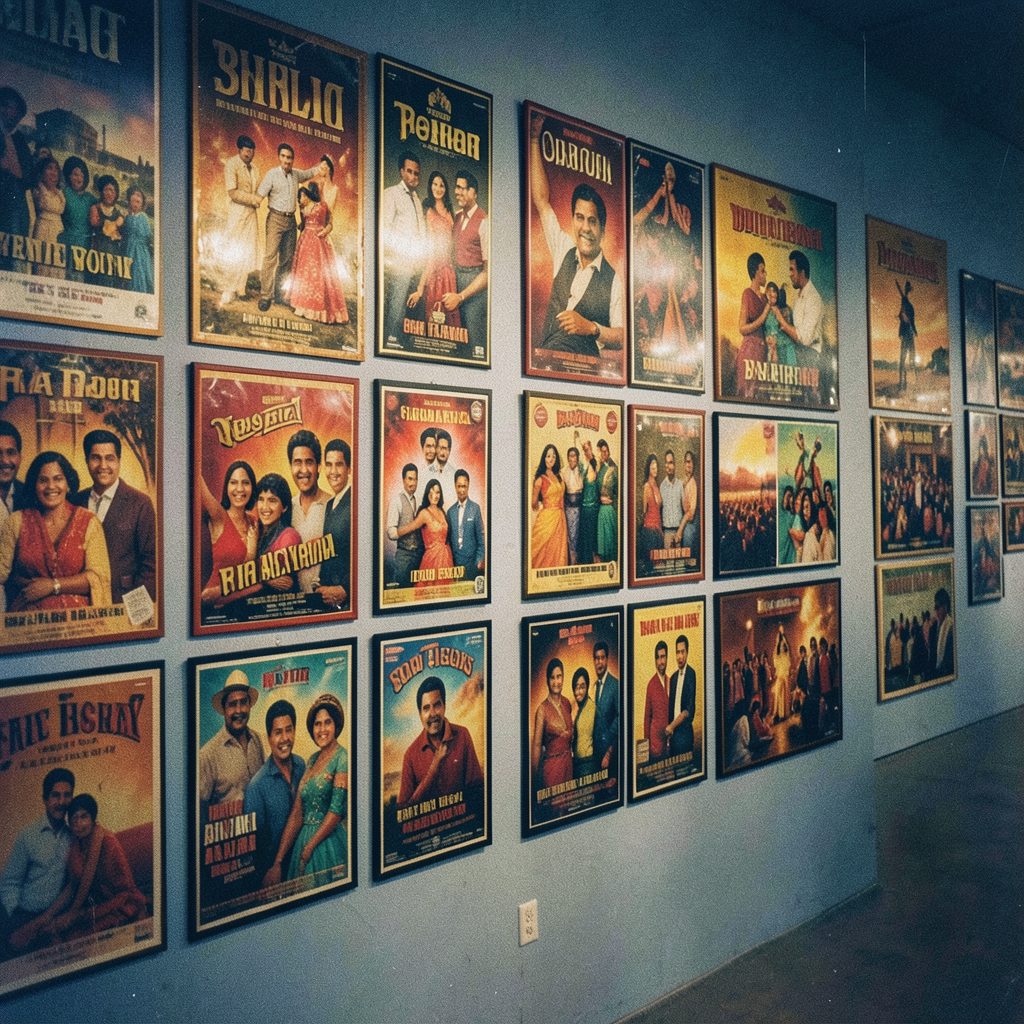

Why Bollywood Rain Songs Feel So Powerful
Bollywood’s greatest monsoon song sequences turn weather into drama. Rain can signal desire, reunion, heartbreak, freedom or emotional release, while music gives the downpour a pulse that ordinary dialogue cannot match. The result is a visual language recognised across generations of Hindi cinema.
The science behind Bollywood's most famous monsoon song sequences is a blend of optics, sound design, choreography and audience psychology. Filmmakers carefully control the size of water droplets, the direction of light, the colour of costumes and the rhythm of movement. What looks spontaneous on screen is usually a tightly engineered performance.
For viewers in Australia, these scenes can feel especially vivid. A sudden summer storm in Sydney, Melbourne or Brisbane may bring the same sensory jolt as a film song: dark clouds, warm air, wet pavements and a quick change in atmosphere. Hindi cinema adds heightened emotion to that familiar weather experience.
The appeal also travels well through Australia’s multicultural cinema market. Indian audiences in suburbs such as Parramatta, Dandenong and Tarneit bring strong memories of monsoon seasons, while newer viewers encounter these songs through streaming, clips and theatrical releases at chains such as Event Cinemas. The weather may differ, but the emotional shorthand remains easy to read.
| Song sequence | Main visual effect | Emotional function | Technical ingredient |
|---|---|---|---|
| “Pyaar Hua Iqrar Hua” | Soft, continuous rainfall | Tender romance | Backlighting and reflective streets |
| “Tip Tip Barsa Paani” | Heavy, glossy rain on the body | Sensual tension | Controlled water flow and close-ups |
| “Rimjhim Gire Saawan” | Natural city rain | Everyday intimacy | Location sound and mobile camera |
| “Barso Re” | Energetic movement through rain | Joy and release | Fast choreography and saturated colour |
| “Ghanan Ghanan” | Implied or stylised monsoon | Collective hope | Rhythmic editing and earthy production design |
Rain Is More Than Weather
In Hindi cinema, rain often externalises feelings that characters cannot say aloud. A character caught in a downpour is exposed, visually and emotionally. The soaked costume, wet hair and blurred surroundings create a sense that social rules have temporarily loosened. This is why rain is so effective in romantic songs: it gives intimacy a natural-looking excuse.
The effect depends on contrast. A bright sari against grey clouds creates instant separation, while a dark shirt can make water highlights sparkle. Wet fabric also changes shape and texture, allowing movement to register more clearly in a close-up. Directors use these details to transform the body into part of the composition without relying only on dialogue or overt action.
Rain can also represent renewal. In films such as Lagaan, the arrival of water carries communal and agricultural meaning rather than private romance. The monsoon becomes a promise of survival. This broader symbolism helps explain why rain songs can move from flirtation to family memory, village hope or national nostalgia within the same cinematic tradition.
How Cinematography Makes Water Visible
A falling raindrop is almost invisible against a pale background, so cinematographers need contrast. Backlighting places a bright source behind the water, making droplets flash as they pass through the frame. Side lighting reveals curtains of rain, while a darker set, stormy sky or shaded street gives the water a defined edge.
The camera also changes how heavy the rain appears. A wide shot shows scale and environment; a medium shot captures choreography; a close-up turns droplets on skin, hair or jewellery into emotional punctuation. Slow motion stretches a gesture, while rapid cutting makes the rain feel energetic. These techniques are carefully matched to the song’s tempo rather than applied randomly.
Water on the ground supplies another layer of visual information. Puddles reflect lights and costumes, producing doubled images that suggest memory or fantasy. Splashes give dancers a percussive surface, and wet streets create movement even when the performers remain still. In “Pyaar Hua Iqrar Hua”, the umbrella and reflective pavement soften the rain into an image of shared shelter, while later songs often make water more physically assertive.
Sound, Playback And Choreography
Film rain is a designed soundscape. The production team may record rainfall, add close-up splashes, layer thunder and then reduce or remove those sounds beneath the playback track. The song must remain clear, but the audience still needs to sense water hitting umbrellas, steps and metal surfaces. This balance is one reason a rain sequence can feel immersive without sounding like a documentary.
Playback singing gives performers freedom to concentrate on expression and movement. Choreographers then divide the song into gestures that interact with water: a turn that sends droplets outward, a foot stamp that creates a splash, or a pause that allows the camera to catch a face through the rain. The weather becomes a partner in the choreography.
For audiences who speak casually about a song being “a bit full-on”, this controlled excess is part of the pleasure. Bollywood rarely treats rain as background decoration for long. It amplifies the beat, enlarges the gesture and turns a simple walk into a musical event. A useful comparison is the way action cinema builds spectacle from timing and impact, something visible in this Action Jackson trailer analysis, where movement and editing shape the viewer’s physical response.
Why Costumes And Colour Matter
Costume designers select fabrics that react visibly to water while remaining safe and practical for performers. Chiffon, georgette and lightweight cotton can cling, flutter or become translucent, though productions must manage lighting, lining and movement carefully. The wet-look effect is therefore a creative choice shaped by costume construction, camera angles and censorship standards.
Colour grading completes the illusion. Blue-grey tones can make rain feel cool and melancholy, while gold, red and green create warmth inside a storm. “Barso Re” uses bright colour and exuberant motion to make rainfall feel liberating. “Tip Tip Barsa Paani” uses a more intimate palette, directing attention towards texture, proximity and sensual tension.
The wet surface of a costume also reflects light differently from dry fabric. Sequins, jewellery and embroidered details may sparkle sharply, but excessive highlights can distract from the face. Cinematographers therefore test fabrics under the exact rain rigs and lighting plans intended for the shoot. What appears effortless has often involved repeated wardrobe and camera trials.
The Production Reality Behind The Romance
Artificial rain gives filmmakers control over continuity, density and safety. Rain towers, perforated pipes and high-pressure spray systems can create a consistent curtain, while pumps recycle large volumes of water. Crews must protect electrical equipment, control slippery floors and schedule breaks so performers do not become dangerously cold or exhausted.
Location shooting adds another layer of difficulty. A natural downpour may look authentic but change direction, stop suddenly or ruin matching shots. Artificial rain can be added to selected angles, producing continuity between takes. This mixture of real and manufactured weather is common in cinema because the final image matters more than whether every drop came from the sky.
Australian viewers may notice the difference between cinematic rain and local weather. A humid storm in Darwin, a sharp Melbourne shower or a coastal downpour near the Gold Coast has its own light and texture. Bollywood often compresses those regional sensations into one heightened image: rain that is romantic, musical and perfectly timed. That imaginative control is why the monsoon song remains a durable feature of Hindi film style.
A Better Way To Watch Rain Songs
The most revealing viewing method is to separate the sequence into layers. First watch the performers and follow the emotional story. Then watch again for the background, noting where the rain is brightest, how puddles are used and when the camera moves closer. A third viewing can focus on sound: distinguish the playback track from footsteps, splashes, thunder and crowd noise.
These details explain why famous monsoon sequences continue to work on large screens and small phones. They combine a familiar natural event with artificial precision, allowing weather to carry character, rhythm and visual symbolism at once. The science does not reduce the magic; it shows how many craft decisions are hidden inside it.
For a practical viewing exercise, play “Rimjhim Gire Saawan” or “Barso Re” and write down three changes in light, camera distance and performer movement during the first minute.