How Bollywood's sexist portrayals shape modern critique and change
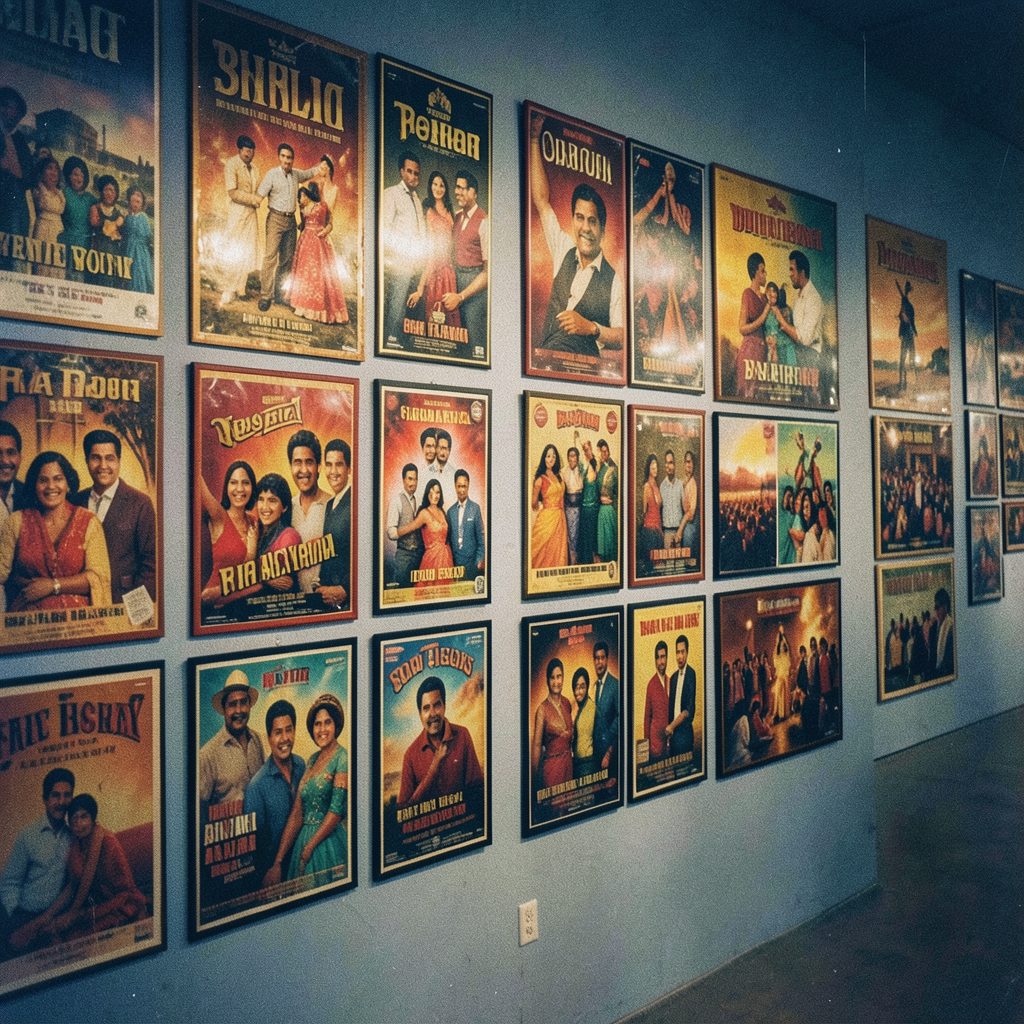
Bollywood has long reflected Indian society's contradictions as much as its dreams. For decades, song-and-dance sequences doubled as showcases for rigid gender roles, where women orbited male protagonists and their worth was measured in beauty or obedience. Casual sexism in plotlines, dialogues, and music videos was rarely questioned, and these sexist portrayals became so normalised that they rarely attracted critical attention.
That comfort has frayed. A new generation of viewers, writers, and filmmakers has started dissecting the male gaze, regressive tropes, and patriarchal frameworks that once went unchallenged. Social media has accelerated this reckoning, turning local grievances into nationwide debates overnight. Critics now treat gender representation as seriously as box office numbers.
The shift is not confined to India. In Australian cities with large Indian diaspora populations, including Melbourne, Sydney, and Perth, conversations about Bollywood's gender politics unfold alongside mainstream film discourse. Festival programmers, critics, and diaspora-focused publications increasingly weigh in on whether a Hindi release is progressive or regressive.
This momentum matters because films shape attitudes. Whether the change comes from filmmakers, viewers, or regulators, the new scrutiny is pushing Hindi cinema to confront its oldest habits, sometimes uncomfortably, sometimes productively.
The long shadow of regressive tropes in mainstream Hindi cinema
For much of the twentieth and early twenty-first centuries, Bollywood normalised a specific brand of gender storytelling. Female characters were often reduced to the love interest, the dutiful mother, or the glamorous distraction in an item number. Heroines were introduced through song lyrics that catalogued their bodies, and screen time shrank whenever the male lead's arc demanded focus.
These patterns have been catalogued extensively by critics. The "rotten mango" syndrome, in which a heroine's worth is judged by her appearance in the first scene, became shorthand for lazy writing. Patriotic dramas, family sagas, and campus comedies all leaned on stock characters: the loud best friend, the vamp, the innocent heroine waiting to be rescued.
Even when filmmakers aim for empowerment, residual habits creep in through dialogue and costume choices. A heroine may win a fight only to be rescued moments later, undermining the very message the screenplay tried to deliver. Audiences now spot these contradictions quickly, and online forums dissect each release with forensic precision.
How the male gaze became a talking point in Indian film criticism
Academic terminology that once lived in film schools has entered popular vocabulary. The phrase "male gaze," coined by critic Laura Mulvey, is now casually used in Bollywood reviews, podcasts, and Twitter threads. Reviewers flag lingering shots, voyeuristic choreography, and camera angles that treat women as objects rather than subjects.
The conversation has been shaped by both international and homegrown critics. Australian reviewers based in Sydney and Melbourne often blend Western feminist frameworks with cultural context. Their pieces circulate widely on Instagram and Substack, influencing how diaspora audiences interpret new releases.
This scrutiny has changed how studios approach marketing. Trailers that linger on dance moves now risk pre-release criticism, and production houses have started hiring sensitivity readers. The results are uneven, but the practice itself signals how thoroughly the critique has reshaped industry behaviour.
Audience pushback: when fans stopped laughing at sexist jokes
The audience side of the equation has changed just as dramatically. Comedy films built on fat-shaming, casual misogyny, or jokes about consent used to draw big opening weekends. Today, the same gags can inspire boycott calls, review-bombing campaigns, or viral outrage.
Social media has amplified the speed of this backlash. A single tweet identifying a problematic line or costume choice can snowball into headlines within hours. Diaspora communities in Brisbane and Adelaide participate in real time, often tagging filmmakers directly, creating a feedback loop where audience expectations rise faster than studios can adapt.
A generational divide is also at play. Older viewers may still find certain tropes charming. Younger audiences, raised on global streaming content and more diverse storytelling, tend to view the same scenes as dated. This tension plays out in family WhatsApp groups and multiplex queues across Indian-Australian suburbs.
Female-led projects rewriting the commercial template
The most visible response to gender criticism has been a wave of female-led productions. Films like "Queen," "Kahaani," "Tumhari Sulu," and "Laapataa Ladies" have demonstrated that stories centred on women can succeed without sacrificing mass appeal. These projects have benefited from critical support at international festivals, including screenings curated by the Indian Film Festival of Melbourne.
Streaming platforms have opened space for riskier storytelling. With shorter runways and less pressure from theatrical exhibitors, OTT platforms have backed projects like "Delhi Crime," "Panchayat," and the anthology series "Made in Heaven." In Australia, where Disney+ Hotstar, Netflix, and Amazon Prime carry much of this content, diaspora viewers access these titles quickly, shaping expectations of mainstream Bollywood.
Box office data reinforces the trend. Female-led films have shown surprising staying power in overseas markets, including Australian cities where Hindi releases screen in suburban multiplexes. Ignoring half the audience no longer pays.
The economics of gender: how money shapes storytelling choices
Studios are businesses, and the bottom line has become a strong argument for change. Marketing teams now track sentiment analysis across platforms, and a poorly received trailer can deter distributors before a film even opens. Investors are increasingly aware that regressive content carries reputational risk.
Casting choices have followed. Producers are more willing to back female actors as central figures rather than decorative additions, and pay structures are slowly catching up. Several A-list actresses have publicly negotiated fees closer to their male co-stars, citing the commercial track record of female-led films as leverage.
Global revenue also matters. Bollywood exports earn significant income from markets like the Gulf, the UK, North America, and Australia, where audiences may be more vocal about representation. The financial calculus has shifted, and producers are noticing.
Australian viewers, festivals, and the global conversation
Australia's relationship with Hindi cinema runs deep. Melbourne hosts the Indian Film Festival of Melbourne, one of the largest celebrations of Indian cinema in the Southern Hemisphere, and its programming often highlights films that challenge regressive gender norms. Sydney's Palace Cinemas screen Bollywood retrospectives, while community halls in Parramatta, Harris Park, and Blacktown host preview nights where diaspora audiences debate new releases.
Critics based in Australia play a quiet but growing role. Writers for The Conversation, ABC Arts, and SBS have covered Bollywood's evolving gender politics with increasing frequency, treating South Asian film as a legitimate area of cultural journalism. Their coverage often feeds back into Indian discourse.
Censorship and classification also matter. The Australian Classification Board reviews Bollywood releases for local distribution, occasionally requesting cuts for depictions that fall foul of community standards. These decisions influence how distributors market films and what audiences see.
What lasting change looks like for writers, directors, and producers
Meaningful change will not come from one viral moment or one hit film. It depends on structural shifts across the industry, from writers' rooms to editing suites. Female screenwriters, dialogue coaches, and cinematographers remain underrepresented in Bollywood, and their hiring is the most reliable predictor of progressive storytelling.
Audiences also have a role. Supporting boundary-pushing films and rewarding nuanced work at the box office are practical steps viewers can take. Watching and discussing these films in community spaces, whether in a Melbourne cinema, a Sydney living room, or a Perth cultural centre, keeps the conversation grounded.
The next chapter of Bollywood will not erase its history or strip away its colour, music, and melodrama. Instead, it can build on those strengths while leaving behind the habits that limited its stories. Viewers who pick their tickets with these questions in mind are already shaping what comes next on screen.