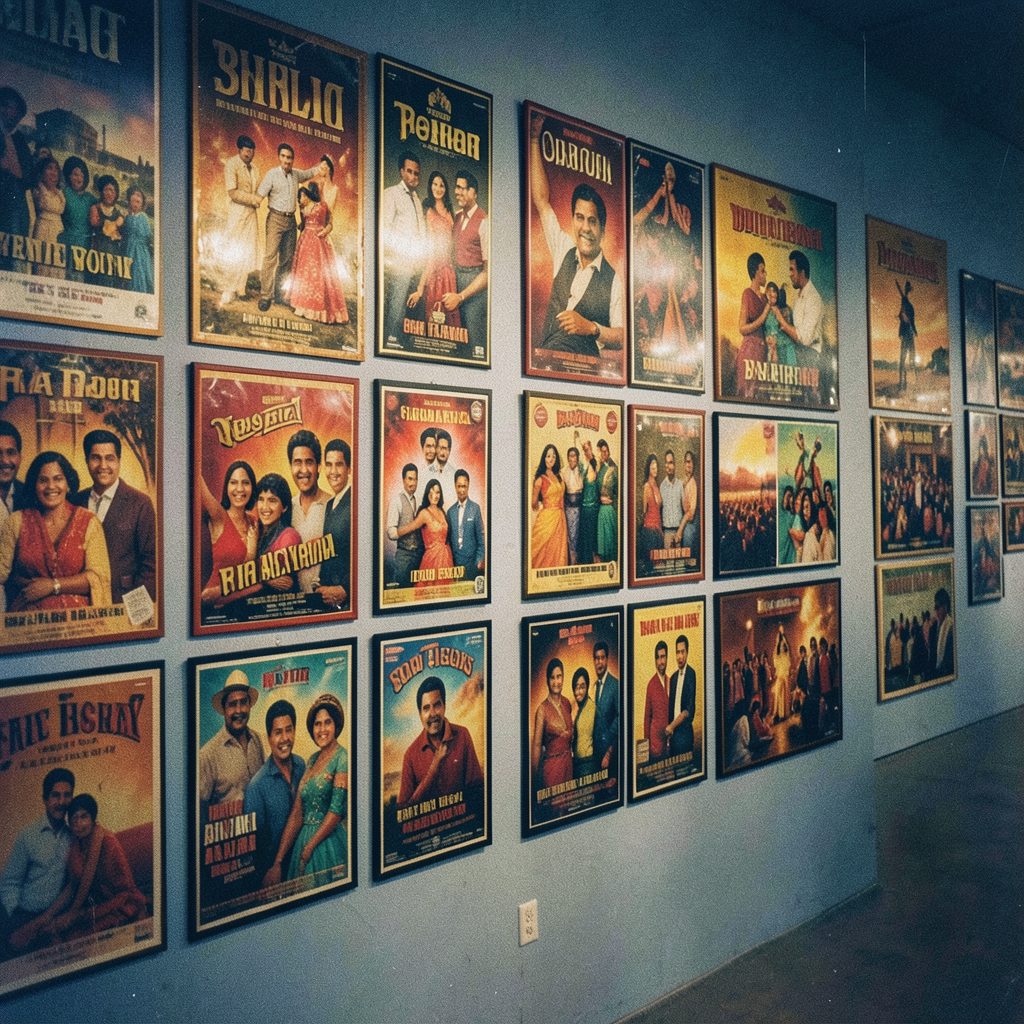

How Digital Platforms Are Reshaping Independent Bollywood Cinema
Independent Bollywood films are finding a larger audience in an era shaped by streaming platforms, social media, affordable production tools, and changing viewer habits. Hindi cinema is no longer defined only by big studios, famous stars, and wide theatrical releases. A parallel ecosystem is giving fresh filmmakers space to experiment with stories that may not fit the traditional commercial formula.
This shift has changed how films are financed, promoted, released, and discussed. A small Hindi-language drama can now build recognition through a festival screening, a trailer on YouTube, a creator-led campaign, or a premiere on an over-the-top platform. Digital access has made the journey from filmmaker to viewer shorter and more flexible.
For audiences, the growth of indie Hindi cinema means more grounded narratives, unusual genres, regional perspectives, and performances from emerging talent. For filmmakers, it offers opportunity, although visibility and sustainable revenue remain difficult to secure.
From Margins To Mainstream Attention
Independent Hindi films were once heavily dependent on film festivals, specialist distributors, and limited metropolitan screenings. Their reach often remained concentrated among cinephiles in cities such as Mumbai, Delhi, Bengaluru, and Kolkata. Digital distribution has widened that circle, allowing viewers in smaller towns and overseas markets to discover films that might never receive a conventional theatrical rollout.
The growing popularity of streaming has also changed the meaning of commercial success. A film does not always need a large opening weekend to create an impact. Strong completion rates, positive recommendations, social media conversations, and long-term platform visibility can all contribute to a film’s cultural value.
This does not mean that independent cinema has completely entered the mainstream. Large-scale releases still dominate publicity, screen allocation, and entertainment news coverage. However, films with modest budgets now have more ways to remain visible after their festival or theatrical run.
Digital Tools Lower The Barrier
Affordable digital cameras, editing software, sound equipment, and cloud-based production services have reduced some of the technical barriers facing new directors. A determined team can create a polished short film or feature without investing in expensive film stock or building a traditional studio infrastructure.
Online casting networks and social platforms have also opened doors for actors, writers, musicians, and cinematographers. New performers can share showreels directly with casting professionals, while filmmakers can build an audience before releasing a full-length project. This direct connection is especially valuable for creators working outside established Bollywood circles.
Crowdfunding has introduced another route to production finance. Campaigns built around a clear story, a committed creative team, and a strong community can attract support from viewers who want to participate in the filmmaking process. Still, crowdfunding is rarely a complete replacement for professional investment, and many projects depend on personal savings, grants, brand partnerships, or deferred payments.
Streaming Redefines Film Discovery
OTT services have become important launchpads for independent films because they offer an alternative to the crowded theatrical marketplace. A multiplex release requires marketing resources, distributor confidence, and sufficient screens. Streaming can provide national or international access with a smaller promotional footprint, although platform selection remains competitive.
Digital premieres can also extend the life of a film. A title that receives limited attention during its first release may find a second audience months later through recommendations, curated collections, or a viral review. Search tools and personalized algorithms help viewers encounter stories outside the biggest Bollywood releases.
| Release Path | Main Advantage | Common Limitation | Best Fit |
|---|---|---|---|
| Theatrical release | Shared viewing experience and press attention | High marketing costs and limited screens | Films with festival buzz or strong local appeal |
| OTT premiere | Broad access across cities and countries | Difficult platform selection and crowded catalogs | Character dramas, genre films, and niche stories |
| Festival circuit | Credibility, reviews, and industry networking | Restricted public availability | Debut films and distinctive artistic projects |
| Direct digital release | Creative control and immediate audience access | Marketing and monetization rest on the filmmakers | Micro-budget features and experimental work |
| Hybrid release | Combines event screenings with online reach | Requires careful scheduling and rights management | Films seeking both prestige and accessibility |
The streaming model has its own complications. Revenue arrangements are often private, discoverability can be unpredictable, and a film may disappear into a crowded catalog without sustained promotion. Digital availability creates access, but it does not automatically create attention.
New Voices Bring Sharper Stories
The strongest contribution of the independent film movement is its ability to bring different experiences into Hindi cinema. These films frequently explore working-class lives, queer identities, family tensions, mental health, migration, rural change, urban isolation, and social inequality without relying on familiar star-driven formulas.
Independent filmmakers are also more willing to blend genres. A social drama may include elements of dark comedy, a coming-of-age film may become a quiet mystery, and a relationship story may examine economic pressure as closely as romance. This creative freedom allows Hindi cinema to reflect the contradictions of contemporary India.
The rise of regional storytelling has influenced this space as well. Hindi-language films increasingly borrow visual styles, themes, and performance traditions from Marathi, Bengali, Malayalam, Tamil, Assamese, and other film cultures. Some projects move between languages naturally, creating a more realistic representation of how people communicate in everyday life.
The Business Is Still Uncertain
Creative freedom does not eliminate financial pressure. Independent films often operate with limited shooting schedules, small crews, and narrow margins for error. A delayed release, weak marketing campaign, or unfavorable distribution deal can put a project at risk even when the film receives strong reviews.
The economics of streaming can also be opaque. Filmmakers may gain access to a large audience but have little control over placement, promotional support, or long-term availability. A platform acquisition may provide an important career breakthrough, yet it may not generate the same public box office data that helps the industry measure theatrical performance.
There is also a danger that digital platforms begin to favor predictable formulas. Once a particular style becomes successful, commissioning trends can become repetitive. Independent cinema needs experimentation to remain meaningful, and that requires producers, platforms, critics, and audiences to support films that do not resemble the latest hit.
Ways To Support Independent Hindi Films
Viewers play a direct role in determining which stories remain visible. Watching a film through an authorized platform, attending a limited screening, or sharing a thoughtful review can help a small release reach people beyond its original audience.
- Follow independent directors, writers, actors, and production houses on social media.
- Watch films through legitimate theatrical, festival, or streaming channels.
- Share trailers and reviews with context instead of relying only on star names.
- Explore film-festival programs, short films, and debut features alongside major releases.
- Support screenings, crowdfunding campaigns, and discussions that give emerging cinema a wider platform.
Critics and entertainment websites also influence discovery. Coverage of posters, trailers, soundtrack releases, festival selections, reviews, and box office performance can bring attention to films that might otherwise be overlooked. Balanced reporting is especially useful when a project has ambition but lacks a large publicity machine.
Keep Discovering The Next Wave
The future of independent Bollywood cinema will likely be shaped by a blend of theatrical events, streaming premieres, social video, film festivals, and direct audience communities. No single route guarantees success, but the combination gives filmmakers more opportunities to find the viewers who connect with their work.
For fans of Hindi cinema, this is an exciting time to look beyond the biggest releases. Follow emerging creators, explore new filmographies, watch digital premieres legally, and keep an eye on stories that are building momentum through reviews and word of mouth. Wassupbollywood will continue tracking the films, artists, trailers, music, and industry trends shaping this evolving screen culture.