The rise of female action heroes in Bollywood: a new era
For decades, the Hindi film industry relied on a familiar template: a charismatic male lead dispensing justice through choreographed fights, with the leading lady often cast as the romantic anchor or the endangered bystander. That template is being rewritten, and the new drafts are coming from writers, choreographers, and stunt directors who grew up watching their favourite stars and decided it was time for someone different to throw the punch. The shift is visible not just in Mumbai's studios but also in multiplexes across Sydney, Melbourne, and Brisbane, where Indian diaspora audiences and curious cinephiles alike are filling seats for films that put women in the driver's seat of the action sequence.
What is unfolding is not a single film or a single performance but a movement with commercial teeth. Female-led action films from Hindi cinema have begun to find their audience in markets that once seemed uninterested, and the appetite is spreading through streaming platforms available to Australian subscribers. The result is a new kind of stardom, one measured in broken stunt records, viral clips shared in group chats from Parramatta to Perth, and opening weekends that rival the traditional male-led tentpoles.
From Sita to supercop: a brief journey
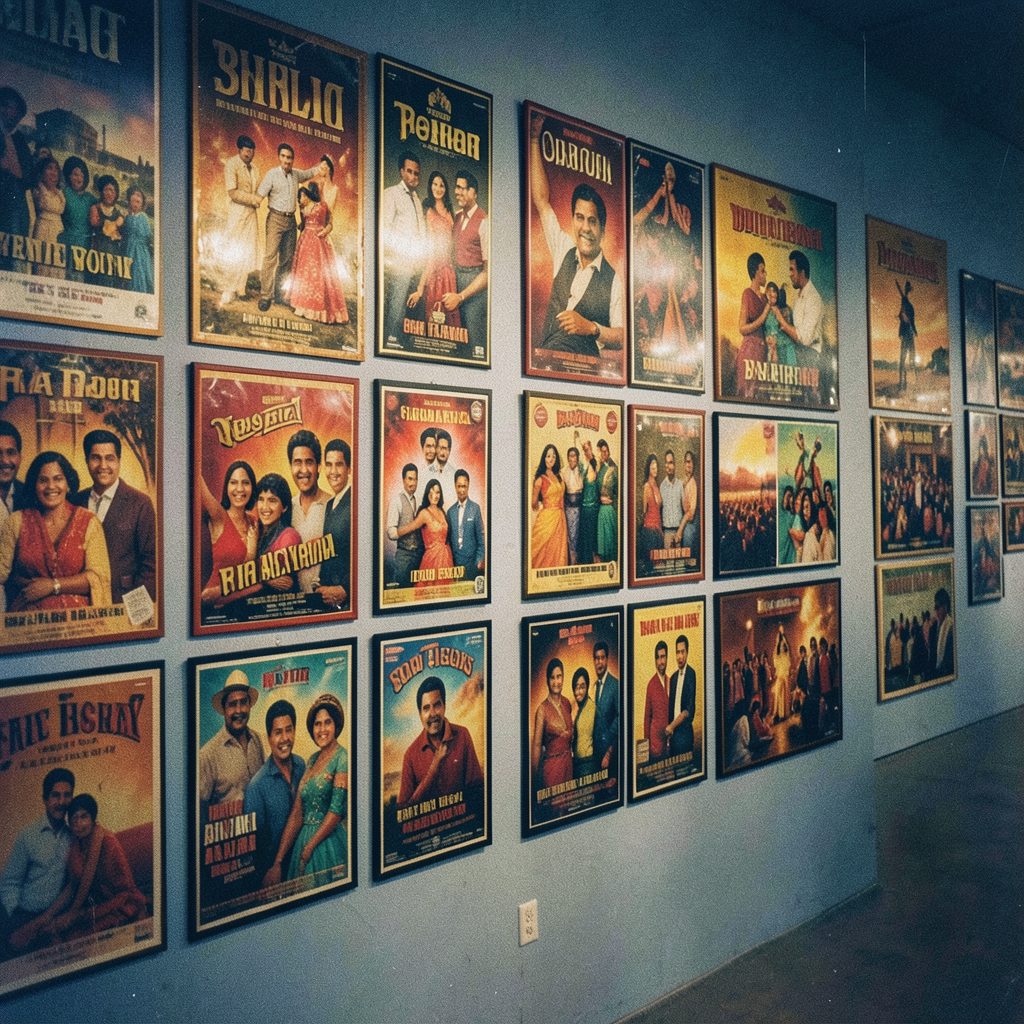
The seeds of the current wave were planted decades ago, but they grew slowly. Hema Malini in the 1970s dabbled in swordplay, Rekha carried grace into combat scenes, and Srideva brought physical comedy into a space usually reserved for muscle-bound heroes. Yet none of these performances became a genre unto themselves; they remained exceptions in films that still centred male protagonists. The arrival of Priyanka Chopra Jonas in roles that demanded both glamour and grit opened a small door, and actresses who followed found that door much wider.
A parallel shift happened in how stories were conceived. Writers began asking what a female-driven action film would look like if it borrowed from the kinetic grammar of Korean cinema, the spy thrillers of European franchises, and the stunt-heavy traditions of Hollywood. The answer felt both distinctly Indian and refreshingly global. Australian viewers who had cut their teeth on the Marvel Cinematic Universe and John Wick suddenly recognised a familiar rhythm in these Hindi productions, and that recognition helped a generation of fans cross over.
| Era | Typical female role | Action presence | Notable examples |
|---|---|---|---|
| 1970s-1980s | Romantic interest or dancer | Minimal, occasional swordplay | Limited standout moments |
| 1990s-2000s | Supporting emotional anchor | Brief, often symbolic | Mostly genre exceptions |
| 2010s | Co-lead with select fight scenes | Growing, mixed reception | A shift in industry mindset |
| 2020s onward | Action lead or co-lead | Central, choreographed | New commercial benchmarks |
The stars carving out space today
A handful of performers have become synonymous with this new chapter, and their filmographies offer a useful map of where the genre is heading. Deepika Padukone has demonstrated willingness to step into combat-heavy roles, Alia Bhatt has used her production company to back female-driven stories, and Kangana Ranaut has built an audience around characters who fight as much physically as verbally. Younger performers, including those trained in martial arts and parkour, are entering the industry through stunt workshops that did not exist a decade ago.
The industry itself has responded with better infrastructure. Dedicated action schools in Hyderabad and Mumbai are training coordinators who understand that an actress's fight choreography cannot simply be a re-edited version of a hero's moves. Stunt teams now design sequences around the performer's body language, strengths, and screen presence, producing moments that feel both believable and visually distinct. The craftsmanship behind these sequences is part of why the films travel so well, landing in international markets and finding an enthusiastic audience among expat communities in places like Adelaide and the Gold Coast.
The numbers behind the boom
Box office data from across the world suggests that the appetite is real. Female-led Hindi action films have begun posting opening weekends that match, and occasionally exceed, comparable male-led projects in the same genre. Australian distributors, who once relegated such films to single-screen showings in suburban hubs, are now booking them into Event Cinemas and Hoyts locations, particularly around release weekends. The economics have shifted, and exhibitors know that a film with a strong female action lead can fill Friday night seats in Brisbane and Saturday afternoon shows in Melbourne.
The streaming era has compounded this effect. Platforms available to Australian subscribers, including global services with local pricing tiers, have picked up Hindi films earlier in their release cycle, sometimes even producing them. An Australian viewer in Perth can watch a female-led Bollywood action film at home within weeks of its theatrical run, complete with subtitles or dubbing. The reduced friction between release and consumption has allowed smaller films to find their audience, and word of mouth now travels faster through social platforms than through traditional advertising.
Obstacles the industry still has to clear
The rise is real, but it is not without friction. Pay disparity remains a stubborn issue, with leading actresses often earning a fraction of their male counterparts even when their roles carry the film. There is also the persistent pressure to look a certain way, and the training required for credible fight work can conflict with the physical expectations placed on women in the industry. Australian audiences who follow the industry closely have noted these tensions, particularly because they mirror conversations happening in Hollywood and locally about gender equity on set.
Behind the camera, the picture is similarly uneven. Female action choreographers and stunt coordinators remain rare, and the editorial decisions that shape how a female hero fights, how often she bleeds, and whether she gets to deliver the final blow still tend to come from male-led rooms. Some studios are working to change this by mentoring women into technical roles, and a few recent productions have publicly highlighted their all-women stunt teams. The progress is uneven, but the direction is clear, and the next generation of filmmakers will likely look back on this period as the moment the machinery began to turn.
How Australian audiences fit into the story
Australia plays a quiet but meaningful role in how these films are received. The Indian diaspora is one of the largest migrant communities in the country, with significant populations in Sydney's western suburbs, Melbourne's southeast, and regional centres like Geelong and Toowoomba. Festivals, community screenings, and cultural events tied to Hindi cinema happen year-round, and they have become testing grounds for how a film will land beyond its initial release. A strong reception at a community event in Harris Park or a screening at a Melbourne film festival can travel back to producers in Mumbai and influence greenlight decisions.
There is also a growing audience of non-diaspora Australians who have discovered Hindi action films through streaming recommendations and social media exposure. Cinemas in Brisbane's CBD and Perth's inner suburbs occasionally programme Hindi retrospectives that attract curious viewers, and the appetite for subtitled world cinema in Australia has never been stronger. The rise of the female hero is closely tied to how Hindi cinema villains have been written across decades, since heroes are defined in part by the antagonists they face.
Recommendations for following the new wave
For readers who want to track this movement closely, a few practical steps can help.
- Check the release calendars of Australian distributors, and book early for theatrical screenings in your nearest city, whether that is Hobart, Darwin, or Sydney.
- Subscribe to streaming platforms that license Hindi cinema, and turn on subtitles or dubbing for films you might otherwise skip.
- Follow industry trade publications and the official social channels of the stunt teams credited in recent releases, since their work often signals which projects are pushing boundaries.
- Attend community screenings or film festivals in Melbourne, Sydney, or Adelaide, where directors and choreographers occasionally appear for Q&A sessions.
- Support production houses that publicly invest in female-driven stories, both at the box office and through legal streaming channels.
The female action hero in Hindi cinema is no longer a novelty or a one-off experiment. She is becoming a fixture of the industry's commercial and creative future, and the films she anchors are finding fans in places as far from Mumbai as Auckland, Toronto, and suburban Perth. The era is defined by who gets to throw the punch, and the answer is changing in real time.