How Bollywood film analysis YouTube channels became essential viewing
For years, film criticism around Hindi cinema lived inside newspaper columns, television debates, and the occasional late-night radio segment. That ecosystem has been steadily replaced by a sprawling network of YouTube channels run by writers, academics, former journalists, and passionate superfans. These creators now deliver scene-by-scene breakdowns, box office autopsies, and historical context that traditional outlets rarely have room to publish, reaching audiences from Mumbai's suburbs to Melbourne's Glen Waverley in a single upload.
The growth has been remarkable because the platform itself rewards depth rather than brevity. Channels that once started as casual hobby projects now post weekly essays stretching beyond half an hour, earning loyal subscribers who treat them as primary sources for understanding new releases. For viewers in Australia juggling work, family, and the eleven-and-a-half-hour time difference from Mumbai, on-demand video analysis has become the most practical way to keep up with the industry's constant churn.
From newspaper columns to video essays
The earliest wave of online Hindi film commentary came from bloggers and podcasters who treated Bollywood as a serious subject worth sustained analysis. When YouTube opened up better monetization in the late 2010s, several of those voices migrated to long-form video, bringing with them a research-driven approach that had previously been confined to academic journals. Their essays often run fifteen to twenty-five minutes, combining archival clips, on-screen annotations, and quiet narration that lets complicated arguments breathe.
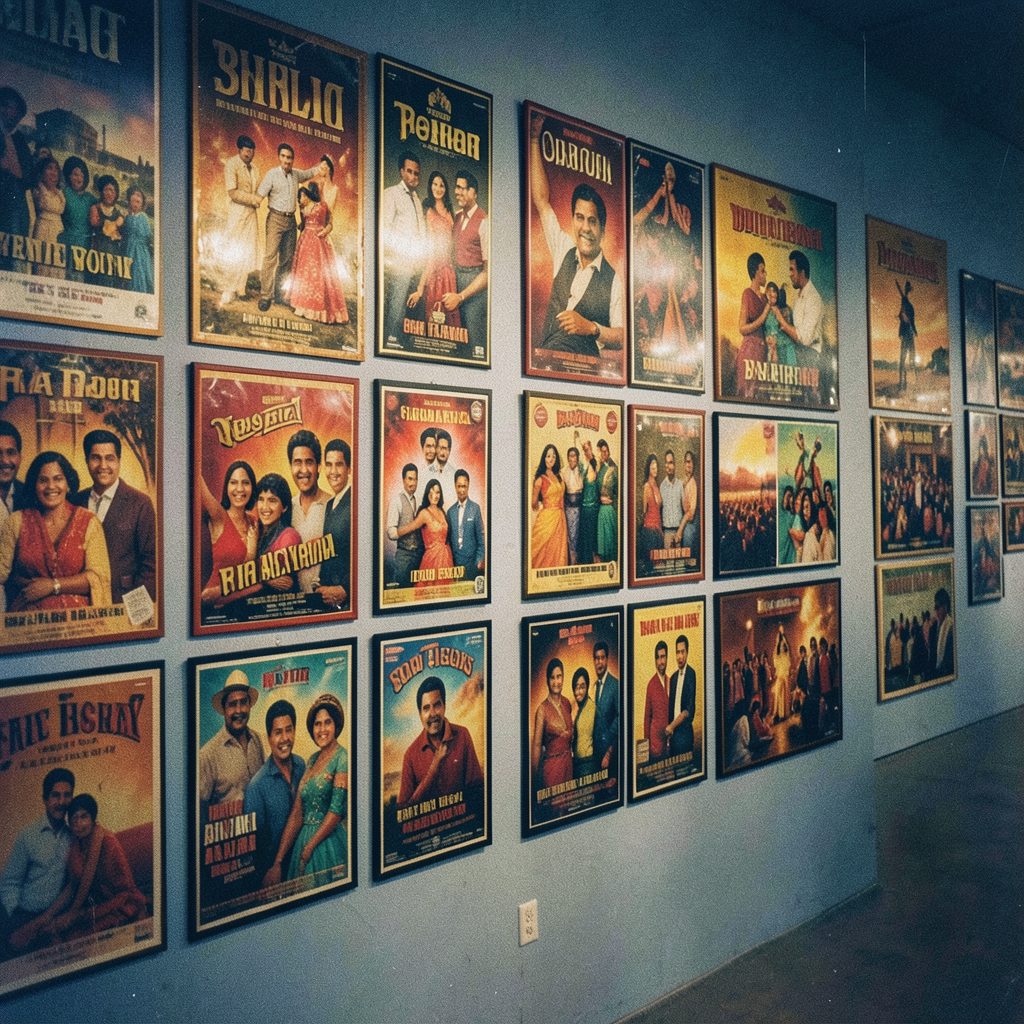
This format suits Bollywood particularly well because the industry's history is so vast and so visually rich. A single frame from a 1970s Amitabh Bachchan film can spark a ten-minute discussion about authorship, music composition, and the economics of the Bombay film world. Channels such as these have become reference points for younger viewers who want context rather than gossip, and they regularly cite each other's work, creating an interconnected ecosystem of criticism that resembles academic citation more than tabloid chatter.
The migration from text to video has also allowed critics to reach readers who simply do not have time for long written pieces. Australian viewers commuting along the M2 in Sydney or waiting for a tram in Melbourne's CBD can absorb an entire essay during a single trip, a convenience that print criticism cannot match.
Why long-form criticism resonates with global audiences
Hindi cinema has always had a transnational audience, but the diaspora's relationship with the industry has shifted considerably. Second-generation viewers in suburbs like Harris Park in Sydney or Sunnybank in Brisbane no longer rely solely on family networks to hear about new films; they actively seek out informed commentary that treats them as intelligent participants. Video essays meet that need by combining entertainment with genuine scholarship, often weaving together box office data, production history, and aesthetic analysis in ways that feel like a film school lecture delivered by a friend.
Streaming has also changed what viewers expect from criticism. Australians can pause, rewind, and rewatch scenes with subtitles, which makes the kind of granular breakdown these channels offer genuinely useful. A creator who pauses on a single establishing shot from a Sanjay Leela Bhansali film and traces its visual lineage through a dozen earlier movies is providing a service that print critics simply cannot match. The medium matches the audience's habits, and that alignment has powered the format's growth.
For diaspora viewers especially, the cultural translation work these channels perform is invaluable. References to forgotten playback singers, regional cinema movements, and industry politics that might baffle casual viewers are unpacked with care, making the videos useful both for newcomers and for lifelong fans who want to understand the industry they thought they already knew.
The economics behind niche analysis
Running a Bollywood analysis channel is rarely a path to instant wealth. Production costs are modest compared to traditional media, but the time investment is enormous: a single twenty-minute essay can require forty hours of research, scripting, editing, and thumbnail design. Creators typically diversify income through a mix of YouTube ad revenue, Patreon or membership subscriptions, brand partnerships tied to streaming service launches, and occasional freelance writing gigs.
Australian audiences contribute to this economy in subtle but meaningful ways. Viewership spikes in cities like Perth and Adelaide tend to follow local film festival programming, and creators pay attention to which regions drive comments and watch time because YouTube's algorithm rewards engagement over raw subscriber counts. Some channels have begun scheduling premieres around Australian evening hours to capture diaspora viewers during their downtime, a small but telling adjustment that reflects how global the audience has become.
The financial fragility of the format also shapes editorial choices. Channels dependent on sponsorship tend to soften their criticism of major studio releases, while those funded entirely by viewer memberships can afford to be more pointed. For audiences, understanding who pays for the analysis they watch is now part of being a literate consumer of film criticism.
Comparing formats for film analysis
Each format occupies a distinct niche within the broader ecosystem of Bollywood commentary, and most dedicated viewers end up using several of them in rotation. Long-form essays work best when you have time to sit with an argument, while short reviews suit moments when you simply need a verdict before booking tickets or queuing up a stream. Live reactions excel at capturing the communal energy of a release weekend, particularly when major stars drop trailers or surprise teasers.
| Format | Typical length | Strength | Best for |
|---|---|---|---|
| Long-form video essay | 15–35 minutes | Deep research, visual breakdowns | Understanding a director's body of work |
| Short-form review | 5–10 minutes | Quick verdict, accessibility | Deciding whether to watch a new release |
| Live podcast reaction | 60–90 minutes | Community interaction, real-time take | Following box office weekends |
| Written blog companion | 800–2,000 words | Searchable, citable analysis | Reference material and quotes |
Written companions remain useful for a different reason: they are searchable. When a creator makes a specific claim about box office trends or production history, a blog post allows readers to quote, cite, and revisit the argument in ways video cannot easily support. The smartest channels now maintain both formats, treating writing as the spine and video as the muscle that draws attention to it.
Australian viewers should also be aware of how local standards shape what these channels can show. The Australian Classification Board does not rate most YouTube content directly, but the platform's own copyright and community guidelines determine which clips creators can legally use. Reputable analysis channels tend to rely on excerpts that fall within fair dealing for criticism and review, and they flag sponsored segments clearly to comply with Australian Communications and Media Authority disclosure rules. Knowing these boundaries helps viewers judge whether a creator is operating responsibly or cutting corners to chase views.
Recommendations for Australian viewers
Building a curated watchlist of Bollywood analysis channels takes a little effort, but the payoff is a richer understanding of an industry that continues to surprise even its most devoted followers. The following pointers can help sort the genuinely useful voices from those offering little beyond surface-level commentary.
- Look for creators who credit their sources and link to primary material such as interviews, trade publications, or archival footage.
- Prioritise channels that publish a regular schedule, because consistency usually signals a sustainable operation rather than a passing hobby.
- Seek out voices that disagree with each other respectfully; a healthy critical ecosystem thrives on debate rather than consensus.
- Try creators who cover older films alongside new releases, since historical context sharpens any analysis of contemporary cinema.
- Check whether the channel handles copyright responsibly, using clips that fall within review exceptions rather than full songs or scenes.
- Support independent work directly through memberships if you can, as ad revenue alone rarely covers the hours these projects demand.
Putting it together
A practical starting point for new subscribers is to choose two or three channels that complement each other: one focused on industry economics, another on directorial deep dives, and a third covering music and choreography. Use YouTube's "Not Interested" feedback on anything that drifts toward gossip, and within a few weeks the recommended feed will lean closer to the measured commentary that rewards sustained attention. For viewers who want to revisit specific performances after hearing analysts praise them, the Akshay Kumar most underrated performances you need to watch roundup offers a useful entry point when discussion turns to a star whose range often goes undiscussed in mainstream coverage.