Why Bollywood Horror Comedy Thrives on Small Budgets
Bollywood’s horror-comedy wave has become one of Hindi cinema’s most reliable sources of surprise. The formula blends supernatural scares, regional folklore, broad humour and familiar family situations, creating films that can attract both genre fans and viewers who would normally avoid horror. Its success has been especially visible in productions made without the massive budgets associated with action spectacles or celebrity-led dramas.
For Australian audiences, this trend is easy to follow through Hindi screenings in Sydney and Melbourne, streaming platforms and the growing Indian film market in Brisbane, Perth and Adelaide. During Diwali and other major release periods, horror comedies can sit alongside mainstream entertainers as accessible group viewing, especially when subtitles, recognisable performers and strong word of mouth reduce the barrier for non-Hindi-speaking viewers.
Why low budgets suit supernatural comedy
Horror comedy does not require expensive locations, large battle sequences or elaborate visual effects in every scene. A haunted mansion, an old village, a forest road or a seemingly ordinary family home can provide most of the setting. This allows filmmakers to invest selectively in makeup, sound design, creature work and comic timing instead of spreading money across a large-scale production.
The genre also benefits from controlled storytelling. A ghost, witch, shape-shifter or cursed object can appear gradually, allowing tension to build through sound, shadows and audience expectation. When the budget is limited, suggestion can be more effective than showing every supernatural detail. A sudden silence or a reaction shot may create a stronger laugh or scare than a costly digital effect.
Comedy provides another financial advantage. A small cast can carry a film when the script gives each character a clear role: the sceptic, the frightened friend, the local storyteller, the overconfident rationalist or the family member who knows more than they admit. This ensemble structure reduces dependence on one expensive star while creating strong promotional moments for trailers and social media clips.
The films that changed the equation
Go Goa Gone helped establish the commercial potential of combining horror, comedy and youth-oriented adventure in a Hindi-language setting. Its zombie premise was unusual for Bollywood at the time, yet the film used friendship, irreverent dialogue and pop-culture references to make an unfamiliar subgenre accessible. It showed that genre experimentation could attract attention without following the conventional romantic or action template.
The Stree films pushed the formula further by connecting supernatural folklore with social observation. The original film used the legend of a mysterious female spirit in a small-town setting, while its humour came from male insecurity, community gossip and everyday superstition. The sequel expanded the world and demonstrated how a modestly scaled horror story could become a recognisable franchise.
More recent titles such as Bhediya and Munjya have strengthened the idea of a connected supernatural universe. Bhediya used shape-shifting folklore and environmental themes, while Munjya drew on a regional legend and a visually distinctive creature. Their approaches vary, but both show how Indian mythology, local landscapes and contemporary comedy can generate marketable intellectual property.
These films are often described as small-budget successes, although production costs and box office figures can differ across industry reports. The broader lesson is clearer than any single number: a well-positioned horror comedy can earn attention through concept, casting and audience conversation before it reaches cinemas.
Why audiences keep returning
The strongest Hindi horror comedies balance fear with emotional familiarity. A haunted setting may be unusual, but the characters often deal with recognisable issues such as family pressure, marriage expectations, friendship, village reputation or the tension between modern education and inherited beliefs. That contrast allows the film to move quickly between a frightening scene and a comic exchange without feeling completely disconnected.
Regional folklore is particularly valuable because it gives the story a local identity. Instead of copying Hollywood zombies or generic haunted-house plots, filmmakers can draw on legends, rituals, ghost stories and oral traditions from different parts of India. This creates opportunities for distinctive costumes, music, dialects and production design while keeping the central conflict easy to understand.
For viewers in Australia, this cultural specificity can be part of the appeal. Indian communities in Melbourne’s western suburbs, Sydney’s Harris Park and Brisbane’s growing diaspora networks often treat cinema as a social outing. A film with humour that works across language groups can bring together Hindi speakers, younger viewers raised in Australia and friends discovering Bollywood through streaming services.
The theatrical experience also matters. Horror benefits from a dark cinema, while comedy gains energy from a responsive crowd. A Friday-night screening in Melbourne or a festival-season release in Sydney can turn a modest genre film into a shared event, especially when audiences have already encountered its trailer, songs or memes online.
The business model beyond opening weekend
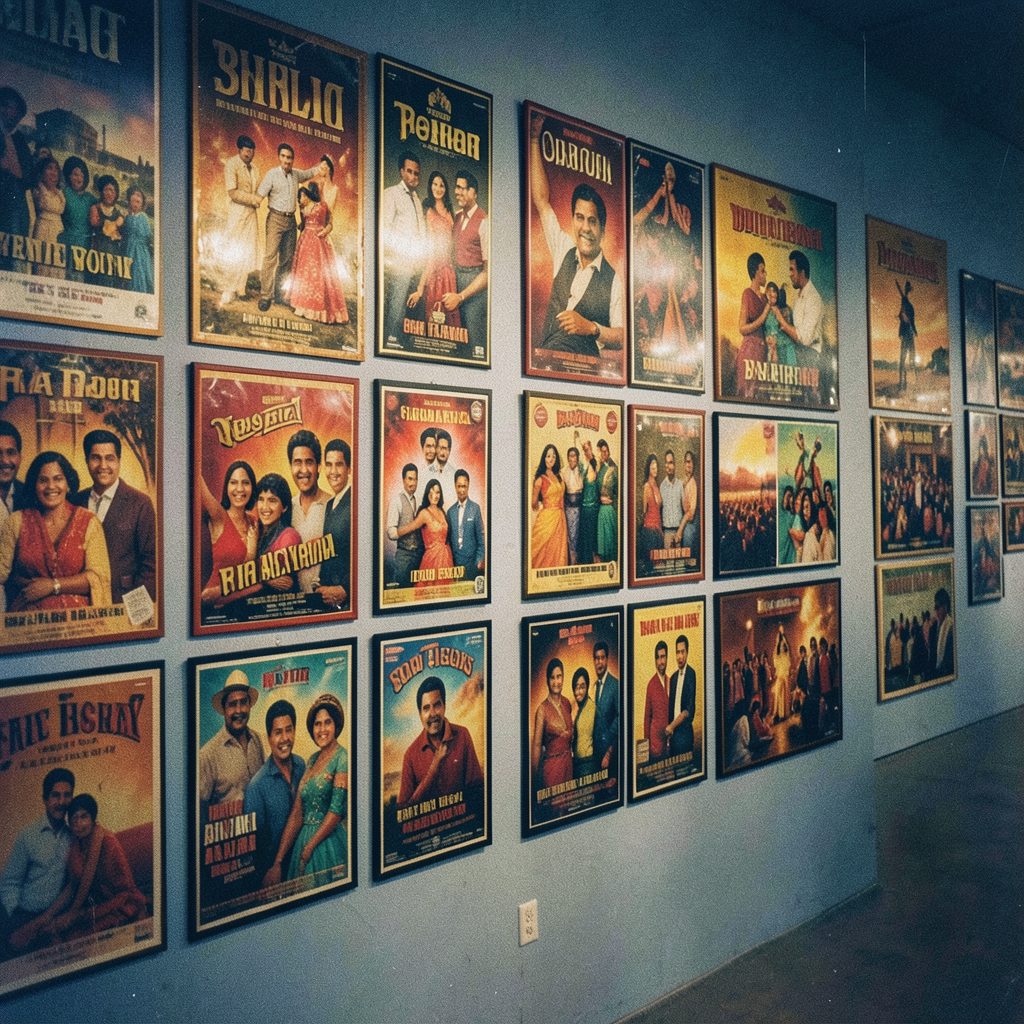
A horror comedy can perform across several stages of the entertainment cycle. The first opportunity is theatrical curiosity: an unusual poster, a memorable creature design or an established comedy actor can make the film visible among crowded releases. The second is word of mouth, since audiences often recommend a film by describing its central hook rather than its full plot.
Music and marketing can extend that reach. A catchy dance track, a comic dialogue clip or a distinctive visual from the trailer can travel on Instagram, YouTube and short-video platforms. Since small productions cannot always match the advertising budgets of major action films, shareable creative material becomes a cost-effective way to build awareness.
Streaming has further reduced the risk attached to niche genre films. A title that receives limited cinema exposure in Australia may find a second life on a major platform, where viewers can watch it with subtitles, dubbed audio or family members overseas. This is useful for audiences outside Sydney and Melbourne, including Hindi-speaking households in Perth, Canberra and the Gold Coast.
| Film or franchise | Supernatural hook | Production advantage | Wider commercial lesson |
|---|---|---|---|
| Go Goa Gone | Zombies and a survival adventure | Limited locations and ensemble chemistry | A fresh genre concept can attract urban youth |
| Stree | A mysterious female spirit and local folklore | Strong setting, dialogue and character comedy | Social themes can deepen a commercial horror film |
| Bhediya | Shape-shifting and ecological folklore | Creature effects used around a focused story | Indian mythology can support franchise building |
| Munjya | A regional legend and a memorable creature | Recognisable visual identity and comic supporting cast | A new supernatural property can travel through word of mouth |
| Bhool Bhulaiyaa 2 | Possession, mistaken identity and psychological tension | Star appeal combined with contained locations | Familiar horror ideas can be refreshed for mainstream audiences |
What to watch in the next cycle
The next stage of Hindi horror comedy will likely depend on how creatively filmmakers expand the supernatural universe. A connected franchise can create repeat viewing, but audiences will quickly notice if every film uses the same village, the same comic misunderstanding or an interchangeable ghost. New settings, female-led stories, urban legends and regional languages could keep the category from becoming predictable.
Australian distributors and exhibitors also have a role in identifying which titles deserve broader promotion. A film may have modest advance bookings but strong potential during Diwali, school holidays or a weekend when Indian communities are already seeking group entertainment. Local marketing should highlight subtitles, suitable screening times and the film’s central comic or supernatural premise.
For viewers choosing among new releases, the following indicators are useful:
- Look for a clear supernatural hook rather than a trailer built only around loud scares.
- Check whether the humour comes from characters and situations instead of repeated one-liners.
- Notice the film’s regional setting, folklore and visual identity.
- Consider reviews from both Indian entertainment outlets and Australian cinema audiences.
- Watch for strong word of mouth after the opening weekend, especially on streaming platforms.
- Support local Hindi screenings when the film offers a genuine communal cinema experience.
The genre’s real strength lies in its efficiency. A modestly funded film can combine folklore, laughter, suspense and social observation without competing directly with a large-scale action blockbuster. For Australian audiences, the practical takeaway is to judge these releases by the originality of their premise, the quality of their character writing and the strength of their local cultural detail rather than by budget size alone.