When small screens shape big stories: Bollywood serials meet film
Bollywood has never operated in isolation from the television set humming in millions of living rooms across the subcontinent. Indian daily soaps, often dismissed as melodramatic filler, have quietly authored many of the narrative blueprints that now appear on the silver screen. The melodrama, the family saga, the revenge arc stretching across decades — these conventions did not arrive in multiplexes fully formed. They trickled down from afternoon time slots, from kitchens where the matriarch shouted at the screen, and from soundtracks that became household hums.
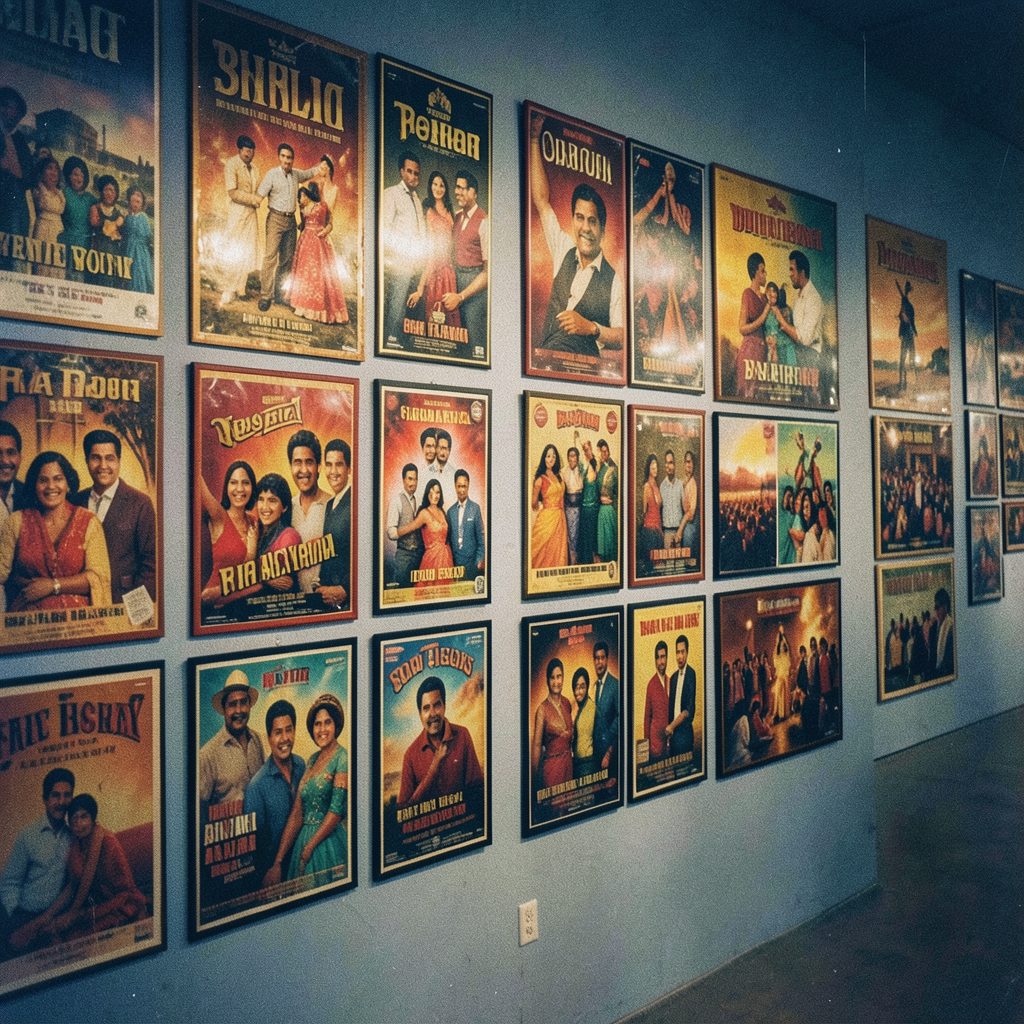
For Australian audiences, this cultural exchange plays out in unexpected places. In Harris Park and Parramatta, weekend markets pulse with Hindi film posters, and conversations about the latest season of a Star Plus drama carry the same weight as any release-week chatter. Melbourne's cultural calendar regularly features screenings of vintage classics and TV-themed retrospectives, and streaming platforms available down under now carry entire back catalogues of serials that once shaped how an entire generation understood storytelling.
The roots of serial storytelling in Indian cinema
The history of Indian broadcasting starts in the late 1950s, but its modern soap format took flight with shows like Hum Log and later Buniyaad in the 1980s. These programmes ran for hundreds of episodes, weaving domestic conflict into sprawling family trees that mirrored the joint-family ethos still alive in many Indian homes. Writers learned to sustain arcs over years rather than hours, planting seeds of betrayal in one season and harvesting them a decade later. Cinema absorbed these techniques gradually, almost without announcing the debt.
Directors such as Sooraj Barjatya and Karan Johar openly acknowledged the influence. Hum Aapke Hain Koon carried the warmth of a family gathering familiar from any long-running serial. Later, Sanjay Leela Bhansali's Devdas draped the tragic heroine trope — long a soap staple — in opulent cinematography. Even action franchises began borrowing the multi-generational revenge template that serials had perfected, treating whole bloodlines as chessboards for slow-moving vengeance.
Tropes borrowed and beautified
The maternal sacrifice story, the scheming second wife, the lost-and-found sibling — these characters populate both mediums, but the migration runs in both directions. Soaps borrow their pacing from cinema's pre-interval cliffhangers, while films inherit the soap opera's appetite for sweeping time jumps. A heroine can age thirty years between reels because serials trained viewers to accept generational leaps without complaint.
Australian viewers familiar with long-running homegrown soaps will recognise the structural cousins. Neighbours and Home and Away mastered the art of the school-formal twist decades ago, and Indian serials apply similar pressure at every wedding, hospital visit and boardroom confrontation. When Sydney-based film critic Meera Iyer reviewed Kabhi Khushi Kabhie Gham, she pointed out that the film's three-hour runtime reads almost like a season finale stacked with every emotional grenade the small screen had already primed audiences for.
Storytelling moves that crossed over
- The slow zoom during a confession scene
- The dramatic stare before a reveal
- The background swell that telegraphs betrayal
- The freeze-frame on a trembling hand
- The voiceover letter discovered in an attic
Character archetypes crossing over
The virtuous bahu, the dutiful daughter, the vengeful mother-in-law — these archetypes were mass-produced in television studios before cinema reclaimed them. Filmmakers realised that audiences already understood the shorthand. A character wearing a certain sari signals suffering; a character walking in slow motion through rain signals imminent betrayal. Cinema inherited a visual grammar built for cheaper sets and shorter shooting schedules, and few stopped to ask where it came from.
Some actors arrived in cinema carrying soap-opera baggage, and studios spent years reshaping their images. Emraan Hashmi's transition from serial kisser to character actor shows how filmmakers repurpose a screen identity shaped by decades of intimate-scene tropes, steering the performer toward grittier dramatic terrain once the joke had worn thin. Others, like Ronit Roy and Sakshi Tanwar, moved the other way, treating cinema as a stepping stone before returning to serials that paid steadier salaries and offered longer screen presence.
| Soap opera convention | Mainstream film adaptation | Audience effect |
|---|---|---|
| Multi-generational family trees | Period sagas spanning decades (Kabhi Khushi Kabhie Gham, Kabhi Alvida Naa Kehna) | Emotional investment across generations |
| Slow-burn revenge arcs | Action films with villain origin stories revealed late | Sustained suspense |
| Sacrifice and martyrdom of heroines | Tragic female leads in Bhansali and Sanjay Gupta films | Catharsis through tears |
| Surprise sibling reveals | Climactic family twists in Karan Johar films | Shock plus reconciliation in one beat |
| Endless wedding sequences | Lavish song-and-dance numbers in commercial cinema | Celebration as emotional punctuation |
Melodrama, music and the modern hybrid
Melodrama is the engine that drives both mediums, and Indian films borrow soap opera's permission to feel too much. The swelling background score, the dramatic zoom when a mother discovers her son's secret, the long pause before a dialogue deliver — these were television conventions before cinema borrowed them with pride. The musical interlude, once treated as a distraction in art-house cinema, became a soap-styled emotional release valve in mainstream Bollywood.
The boundary has blurred further with streaming platforms available to Australian subscribers. Shows produced by Bollywood talent houses now run as limited series with film-scale budgets, and films increasingly release in episodic chapters on OTT platforms. A viewer can binge a family saga on a Saturday and catch a theatrical release the following week that continues the same story. The mediums no longer compete; they collaborate, trading techniques as readily as costume designers swap between sets.
Signals Australian viewers now recognise from both mediums
- A mother wiping a single tear before delivering harsh advice
- A villain's close-up as lightning flashes behind them
- A heroine collapsing in slow motion to a piano cue
- A patriarch's flashback triggered by the smell of food
- An inheritance document arriving at a funeral
Why Australian audiences notice the crossover
Bollywood's domestic market dwarfs Australia's film industry, but the cultural overlap runs deep because of migration patterns and shared Commonwealth broadcasting history. Australia has long imported Hindi serials through multicultural broadcasters, and the diaspora in Melbourne's western suburbs gathers around both mediums with equal enthusiasm. Local film festivals, such as the Indian Film Festival of Melbourne, frequently screen restored classics alongside panels discussing TV-to-film adaptations.
Australian content creators have noticed the traffic in techniques too. Some local productions now use soap-style flashback structures and family-tree charts to anchor audiences through complex plotting. The influence travels in both directions — Australian melodrama finds its way into Indian serial writing rooms through streaming acquisitions and festival circuits, while Hindi storytelling continues to reshape how Australian viewers expect emotional confrontation to unfold on screen.
The next time a Bollywood film stretches a family feud across three generations, with a wedding, a funeral, a secret letter and a redemption arc all packed into one sitting, remember that the blueprint likely began on a small screen in someone's living room. The soap opera's gift to cinema is not melodrama itself but the licence to feel at full volume, to let a story breathe across years rather than minutes, and to trust audiences to follow wherever the family tree leads. Bollywood did not invent these techniques, but it absorbed them, exported them and taught the rest of the world, including viewers gathered around screens in Sydney, Melbourne and beyond, that a good story is measured less by runtime than by the weight it leaves behind.