How OTT Is Reshaping Bollywood Series And Miniseries
Bollywood’s relationship with streaming has moved far beyond the simple transfer of films from cinemas to digital platforms. Netflix, Prime Video, Disney+ Hotstar, JioCinema and other services have encouraged Hindi filmmakers to rethink duration, genre, casting and audience expectations. Series and miniseries can now develop characters gradually, take creative risks and reach viewers across borders within hours of release.
This shift has changed the economics of Hindi entertainment. A theatrical film depends on opening weekend collections, show timings and local publicity, while a streaming title is measured through completion rates, repeat viewing, subscriptions and audience retention. The result is a broader space for crime dramas, domestic thrillers, political stories, dark comedies and intimate relationship narratives.
For Australian viewers, the change is particularly visible in households where Hindi content is watched alongside local and international programming. A family in Melbourne may stream a new Hindi drama after dinner, while viewers in Sydney or Brisbane can discover a Mumbai-set miniseries through personalised recommendations rather than a cinema release. Bollywood’s digital strategy is increasingly designed for this global, multilingual audience.
| Feature | Traditional Bollywood Release | OTT Series Or Miniseries |
|---|---|---|
| Story length | Usually two to three hours | Several episodes or a compact limited run |
| Audience measure | Tickets, occupancy and box office | Streams, completion, retention and subscriptions |
| Creative structure | Fast setup and major intervals | Layered arcs, cliff-hangers and slower development |
| Distribution | Cinema first, then television and digital | Often released directly to subscribers |
| Global reach | Dependent on theatrical markets | Near-simultaneous access across countries |
From Film Event To Ongoing Story
The theatrical model taught Hindi filmmakers to build towards a dramatic interval, a major song sequence and a memorable climax. Streaming has loosened those requirements. A story can spend an entire episode establishing a family, neighbourhood or political conflict before the main plot accelerates.
This freedom has strengthened the appeal of miniseries. A six-episode investigation can remain focused instead of extending its premise across multiple seasons, while a longer show can explore secondary characters who would be reduced to comic relief or background figures in a feature film. Writers are also using flashbacks, parallel timelines and changing points of view with greater confidence.
The shift does not make cinema irrelevant. Big-screen spectacles still depend on scale, music, star power and communal viewing. Streaming has created a separate storytelling lane where atmosphere and narrative detail can compete with the traditional Bollywood emphasis on spectacle.
The Economics Behind The Shift
OTT platforms have given producers alternative financing and distribution routes. A title may receive a commission, licensing deal or co-production arrangement before release, reducing reliance on cinema chains and opening weekend performance. This can make smaller productions viable, especially when they feature respected actors rather than conventional superstars.
At the same time, streaming contracts have introduced new financial pressures. Platforms closely guard viewing data, so producers may have less public evidence of a show’s success than box office figures provide. A series can become a cultural talking point without revealing how many completed every episode. Budgets are also rising as services compete for premium stars, large sets and international production values.
For Bollywood, the commercial question is now wider than whether a film is a hit. Platforms consider subscriber acquisition, regional appeal, dubbing potential and the ability to keep viewers within an app. A Hindi original that travels well in Australia, the United Kingdom or the Gulf can hold value even when its domestic theatrical prospects appear modest.
Writing For The Binge And The Break
Streaming has created a distinct grammar for Hindi series. Each episode needs its own emotional movement, while the season requires a larger question that encourages the next viewing session. Cliff-hangers have become a structural tool rather than a rare twist, and opening scenes often begin close to the central mystery.
The binge model also affects pacing. Some viewers watch an entire miniseries over a weekend, while others follow one episode during a daily commute or late-night routine. This makes episode length more flexible, although creators still need clear momentum. A forty-minute instalment can work for a tense drama, while a lighter family series may benefit from shorter chapters.
Australian viewing habits illustrate this flexibility. Someone travelling by train in Sydney or Melbourne may watch part of an episode on a phone, then continue at home on a television. Subtitles, dubbing and reliable playback therefore become important parts of the storytelling experience, especially for viewers who understand Hindi but prefer English subtitles.
Stars, Genres And Creative Risk
Streaming has expanded the definition of a Bollywood lead. Established film actors can take morally complicated roles, while theatre performers and digital creators can find visibility without waiting for a conventional theatrical launch. Supporting actors are receiving deeper character arcs, and women-led narratives have gained room to explore ambition, family pressure, friendship and professional life without forcing every plot into a romance.
Genres have multiplied as a result. Police procedurals, investigative journalism stories, courtroom dramas, coming-of-age series and small-town social satires can attract targeted audiences. Horror and science fiction also benefit from a format that allows world-building across episodes instead of explaining every idea within a single runtime.
Risk has its limits. Platforms still rely on recognisable names, proven genres and promotional hooks. The difference is that a project can be niche by cinema standards and still succeed if its audience is spread across several countries. That international reach encourages creators to retain local language, regional settings and culturally specific humour rather than flattening every story for a generic global market.
The Australian Viewing Lens
Australia is a useful test market for Hindi streaming because its audience combines a large Indian diaspora with viewers who discover Bollywood through music, social media and crossover entertainment. Melbourne and Sydney remain especially important centres, while Perth, Adelaide and Brisbane add dispersed audiences that may have fewer opportunities to attend Hindi film screenings regularly.
Local regulation also shapes the viewing environment. Streaming services operate within Australia’s consumer protection framework, including rules against misleading representations, while classification and age-guidance expectations influence how mature content is presented. The Australian Classification Board and related Commonwealth classification arrangements remain relevant reference points, even though online platforms use their own rating systems for much of their catalogue.
Access is influenced by subscriptions, internet quality and household budgets. Australians often compare several services before committing, so a Hindi original must compete with American drama, Korean series, local productions and sports coverage. Accurate subtitles, accessible audio options and sensible release timing can make a significant difference to whether a series travels beyond its core diaspora audience.
Music And Promotion In The Streaming Era
Music remains one of Bollywood’s strongest discovery tools, but streaming has changed when and how songs enter a project. A theatrical film may launch a single weeks before release, whereas a series can use a theme, background track or character playlist to build mood across its run. Songs can also perform independently on music platforms, short-video apps and fan edits.
The long relationship between Hindi cinema and popular music gives modern series a deep archive to draw from. A production can evoke earlier decades through sound design, fashion or a carefully chosen remix, while fans can revisit 1990s Bollywood songs alongside a new streaming drama. This creates a bridge between nostalgia and contemporary storytelling.
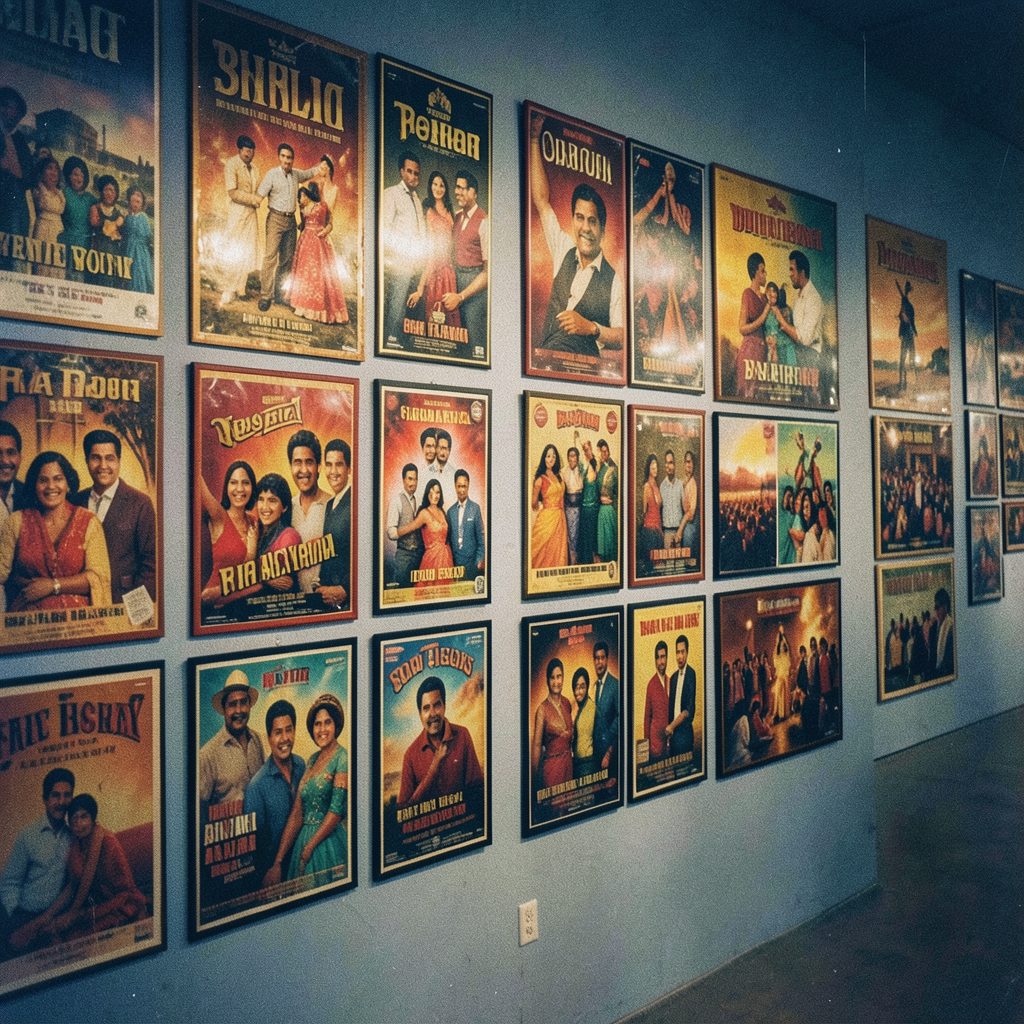
Promotion has become more targeted as well. Instead of relying entirely on television advertising and cinema posters, platforms use trailers, character clips, influencer campaigns, fan communities and personalised recommendations. A strong poster or still can attract attention, but sustained conversation often depends on memorable scenes that viewers share without revealing major plot points.
Signals Shaping The Next Wave
The next phase of Hindi streaming will likely be defined by sharper commissioning decisions. Platforms are learning which stories travel across language markets, which stars encourage subscriptions and which formats retain viewers after the first episode. Producers are responding with projects designed for specific audiences rather than trying to satisfy every viewer at once.
Several developments deserve close attention:
- Limited series with complete endings may gain favour as audiences face subscription fatigue.
- Hindi originals will increasingly launch with dubbing and subtitles prepared for overseas markets.
- Regional settings and mixed-language dialogue will remain valuable creative assets.
- Musicians and independent creators may receive more opportunities through soundtrack-led promotion.
- Age ratings, accessibility features and consumer transparency will become more important in Australia.
- Data-informed commissioning will influence budgets, episode counts and renewal decisions.
The strongest shows will combine platform awareness with genuine storytelling. Viewers may appreciate a clever cliff-hanger, but they return for characters, emotional stakes and a world that feels specific. Technology can recommend a series; it cannot replace the cultural detail that makes the series memorable.
What Bollywood Should Carry Forward
OTT platforms have encouraged Bollywood to treat series and miniseries as their own artistic forms rather than extended films. The best productions use episodes to deepen character, explore social realities and create suspense without abandoning Hindi cinema’s energy, music and visual ambition.
For audiences in Australia, this evolution means greater choice and easier access to stories that once depended on local screenings or imported DVDs. It also raises expectations around subtitles, classification information, release strategy and value for money. The central lesson is simple: streaming may change how Bollywood reaches viewers, but lasting success still depends on stories with emotional precision, distinctive voices and a reason to watch the next episode.