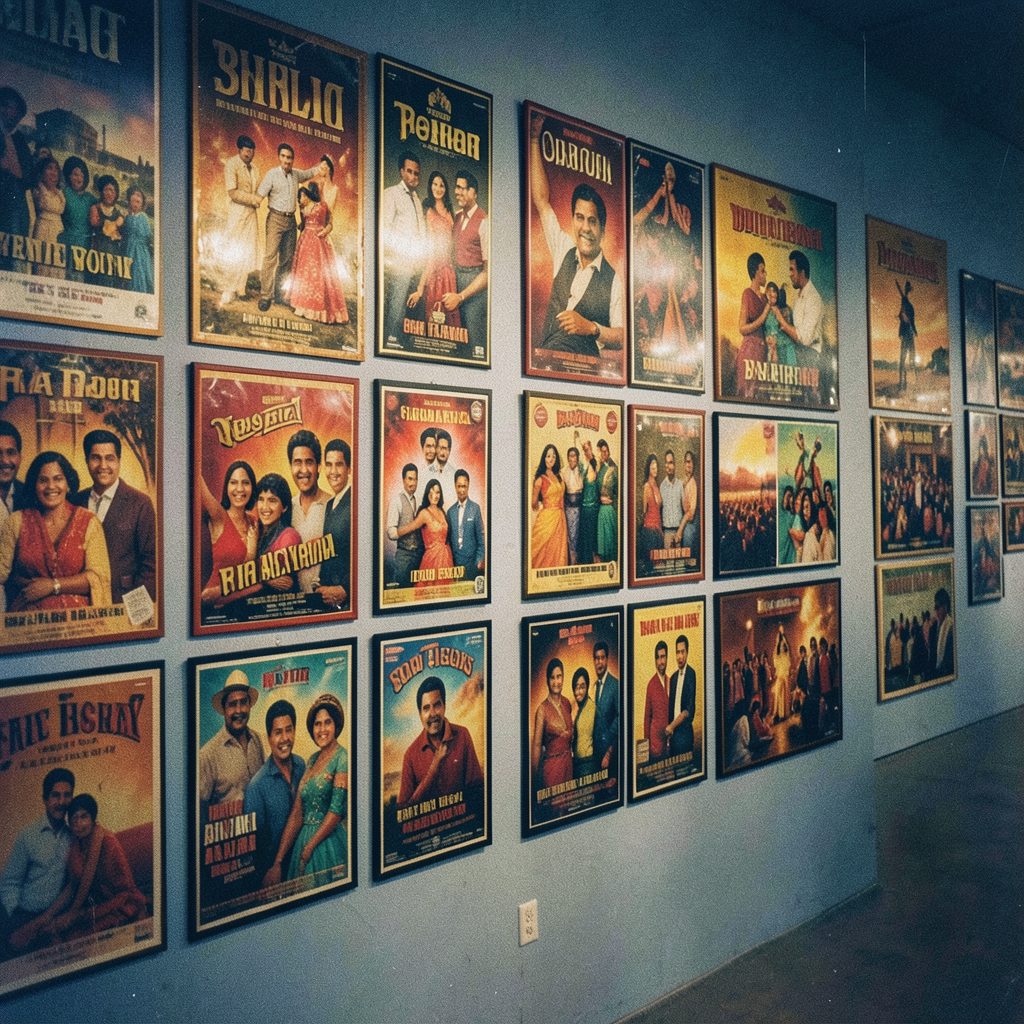

How Film Reviews Shape Bollywood’s Opening Weekend
Bollywood film reviews can influence the commercial fate of a release before audiences have seen a single ticket scan. A strong early response may turn curiosity into advance bookings, while a harsh verdict can make casual viewers wait for streaming. The effect is especially visible during a film’s opening weekend, when public conversation, screen allocation and ticket sales reinforce one another.
For Hindi cinema, reviews now travel across several channels at once. Professional critics publish soon after press screenings, trade analysts assess the likely box office, and audiences post reactions on YouTube, Instagram, Reddit and short-video platforms. These voices create a rapidly changing picture of quality and value.
Australian viewers participate in this cycle from Sydney, Melbourne, Brisbane, Perth and smaller cities, often balancing cinema prices with household budgets. A review can help someone decide whether to attend a late-night session, wait for a cheaper Tuesday ticket, or hold off until a film reaches an Australian streaming service.
The relationship between reviews and revenue is rarely simple. Star power, music, franchise recognition, release timing, screen availability and marketing can outweigh critical opinion. Yet reviews remain an important part of the information environment surrounding a new Bollywood film.
Why The First Reviews Matter
Opening-weekend reviews arrive at a decisive moment. Advance publicity has created expectations, but the first credible reactions tell audiences whether the finished film delivers on its trailer, songs and promotional campaign. A positive review can validate existing interest and make hesitant viewers feel safer spending on a cinema outing.
This influence is strongest among occasional moviegoers rather than dedicated fans. A committed Shah Rukh Khan, Salman Khan or Alia Bhatt follower may book tickets regardless of the verdict. A less committed viewer is more likely to search for reviews before choosing between a Hindi release, a Hollywood title or a streaming subscription.
Timing also affects the result. Reviews published before the first major shows can shape advance bookings, while audience reactions posted after Thursday-night or Friday sessions may influence Saturday and Sunday demand. In Australia, the time difference with India means local viewers may encounter a substantial amount of Indian social media discussion before their own weekend screenings begin.
Reviews And Audience Trust
Not every review carries equal weight. Established entertainment publications, trade reporters and critics with a consistent record often have greater influence than anonymous ratings. Audiences also compare the reasoning behind a review with their own preferences. A critic praising technical ambition may not persuade viewers seeking comedy, romance or family entertainment.
Star ratings offer a quick signal, but the written explanation usually matters more. A review that identifies weak writing, excessive length or uneven performances gives potential viewers a clearer basis for making a decision. Positive coverage can work in the same way when it explains why the film succeeds rather than simply calling it entertaining.
Trust becomes particularly important when marketing is highly polished. Trailers may suggest a thriller while the final film leans towards melodrama, or promotional songs may create expectations of a large-scale spectacle. Reviews help close the gap between advertising and audience experience, which can affect word of mouth throughout the weekend.
The Box Office Mechanics Behind The Buzz
A review does not sell a ticket directly, but it can affect the indicators that distributors and exhibitors monitor. Advance bookings, occupancy rates, show additions and online search activity all reveal whether interest is converting into attendance. Strong reviews can help a film maintain momentum after its first set of shows.
Poor reviews may have a different effect depending on the film’s starting position. A major star vehicle can still produce a large first day because fans have already committed. However, negative word of mouth may cause a sharp fall on Saturday or Sunday, limiting the film’s overall opening weekend and reducing the chance of extra screenings.
Australia’s market adds practical limits. Hindi films may have a concentrated number of sessions at chains such as Event Cinemas, HOYTS and Village Cinemas, alongside independent venues serving local Indian communities. If early demand looks weak, cinemas may reduce sessions quickly. If bookings are strong, extra screenings can become available in metropolitan areas, although regional audiences may have fewer alternatives.
Social Media And The Speed Of Word Of Mouth
Digital discussion compresses the review cycle. Clips, spoiler-free reactions and audience ratings can spread across WhatsApp groups, Instagram Stories and YouTube within hours. A memorable performance or disappointing twist may become the central talking point before a formal review has reached its full audience.
This speed gives audiences more influence over the commercial narrative. Professional critics may praise a film’s craft, while viewers focus on pacing or emotional payoff. Conversely, a film criticised by reviewers can recover if audiences describe it as enjoyable, communal entertainment. The resulting conversation often becomes a mixture of critic reviews, fan responses and box-office updates.
Australian viewing habits reflect this social element. Many people organise cinema trips around friends, family meals or shopping-centre visits, particularly in Sydney and Melbourne where multiplexes sit within large retail precincts. A positive online reaction can turn a planned individual viewing into a group outing, increasing demand during the second and third day of release.
When Reviews Have Less Power
Reviews carry less weight when a film benefits from exceptional pre-release awareness. Established franchises, major festival controversies and heavily publicised celebrity events can generate a large opening before quality becomes the main consideration. Nostalgia may also encourage audiences to attend even when early coverage is mixed.
Release conditions can dominate critical response. A film opening during a school holiday period, around Diwali or alongside a major community event may receive stronger attendance because people have more leisure time. Ticket discounts and loyalty programmes can also soften the effect of negative reviews by lowering the perceived financial risk.
The Australian Classification Board adds another local consideration. A film’s classification can influence whether families, teenagers or younger viewers can attend together, while edits or classification delays may affect the release strategy. Reviews do not operate independently from these practical decisions, especially when a distributor is trying to reach a broad diaspora audience.
Streaming expectations have changed the calculation as well. Some Australian viewers are willing to wait for a digital release if cinema tickets, parking and food make a family outing expensive. A compelling review can justify that cost, while an unenthusiastic verdict may accelerate the decision to wait.
Reading Review Signals Before Choosing A Film
The most useful way to assess early coverage is to separate critical quality from commercial appeal. A low review score does not automatically mean a poor cinema experience, just as an enthusiastic verdict does not guarantee that every audience segment will enjoy a film. Genre, language, cast and personal expectations remain important.
Readers should also look for patterns across several sources. If critics consistently mention a weak second half, that detail is more informative than one isolated score. If audiences repeatedly praise the songs, action design or humour, the film may have strong communal appeal even when its narrative receives limited acclaim.
| Review signal | Likely box-office effect | Relevance for Australian viewers |
|---|---|---|
| Strong critic and audience response | Sustained bookings and stronger second-day demand | More chance of extra sessions in major cities |
| Positive critics, mixed audiences | Good initial curiosity but uncertain weekend legs | Viewers may wait for personal recommendations |
| Mixed critic response, strong fan buzz | Large opening with unpredictable follow-through | Social groups may drive weekend attendance |
| Negative reviews before release | Softer advance bookings and rapid word of mouth | Fewer sessions, especially outside capital cities |
| Strong reviews with limited promotion | Gradual discovery rather than an explosive opening | Community sharing can be especially important |
| Franchise or star appeal despite poor reviews | High first-day revenue followed by possible decline | Dedicated fans may attend before reviews change plans |
Useful Signals For A Cinema Decision
- Compare professional reviews with verified audience reactions rather than relying on one score.
- Check whether the film is receiving multiple sessions in your Australian city.
- Consider the classification if children or teenagers are joining the outing.
- Separate a critic’s opinion about storytelling from comments on performance, music or spectacle.
- Watch the second-day audience response, since it often reveals whether opening interest is becoming sustained demand.
The impact of Bollywood’s film reviews on opening weekend box office is strongest when audiences are undecided, the release has limited brand loyalty and cinemas can adjust sessions quickly. Reviews influence trust, conversation and perceived value, but they work alongside stars, festivals, pricing, classification and local availability.
For Australian viewers, the key point is to read reviews as signals rather than guarantees. A film’s opening weekend reflects the combined force of critical opinion, fan enthusiasm, practical access and the habits of communities deciding what is worth seeing together.