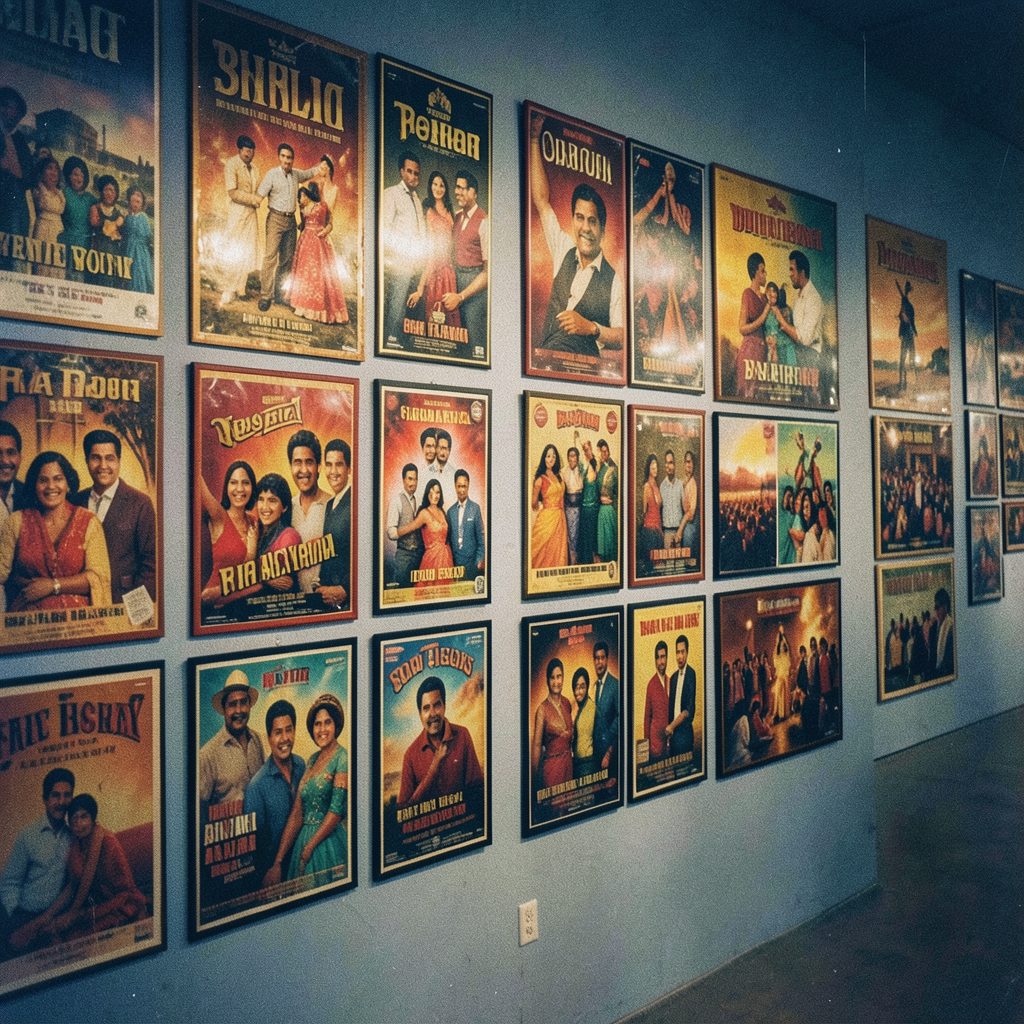
How Bollywood Celebrity Podcasts Are Quietly Rewriting Film Marketing
Bollywood stars used to face the same ritual before every release: a packed press junket, a dozen TV studio lights, three minutes of careful soundbites and the inevitable question about their next project. That ritual is still around, but a quieter format is now doing a lot of the heavy lifting. Celebrity-hosted and celebrity-featured podcasts have become one of the most effective discovery tools in Hindi cinema, and the effect is rippling across the marketing playbook of every major production house.
For audiences in Australia, where Hindi films have long circulated through diaspora hubs like Harris Park in Sydney and the Indian precincts of Glen Waverley in Melbourne, the rise of audio-first promotion feels familiar. Listeners streaming on the train to Parramatta or winding down after a shift in Footscray are increasingly hearing their favourite stars in their earbuds, long before they spot the film on a billboard.
The Rise of the Audio Bollywood Connection
Podcasts are not new to India, but the celebrity edition is. Over the last four years, A-list names from Shah Rukh Khan's production circle, Ranveer Singh, Deepika Padukone, Alia Bhatt, Vicky Kaushal and Kriti Sanon have all either launched their own shows or used guest spots to seed upcoming projects. Production houses have noticed that a single 90-minute conversation often outperforms a tightly scripted media interaction, because it lets a star's personality breathe.
Audio allows for what a trailer cannot: long-form storytelling, off-the-cuff jokes, vulnerable admissions and behind-the-scenes colour. A listener hears a star talk about the first day of shooting, the food on set, the argument with a co-star, and that texture carries more weight than a glossy 30-second TV spot. Indian podcast platforms, global aggregators and even YouTube's audio modes now host hundreds of these shows, and the audience has grown with them.
For younger Hindi film fans, podcast discovery has become a habit that sits alongside Instagram reels and YouTube interviews. They hear about a song, a co-star pairing or a plot twist weeks before it becomes a headline on mainstream entertainment portals. The marketing window has stretched, and audio is the front porch.
Why Actors Are Choosing the Mic Over the Press Junket
The shift is partly about control. A podcast, especially one tied to a star's own production house, lets the talent set the tone. They can tease without oversharing, hint at a sequel, or drop a single line that sends social media into overdrive, all without a journalist framing the quote. In an era where headlines can be clipped out of context, this matters enormously.
There is also the intimacy factor. A voice speaking directly into your ear feels closer than a face on a screen. Australian podcast listeners, who already trust hosts like Richard Fidler, Hamish Blake and Jessica Rowe as companions, transfer that trust easily to a Bollywood star telling stories over coffee. The format flattens hierarchy: the star sounds like a friend, and friends persuade more effectively than press releases.
Equally important is reach beyond India. A podcast recorded in Mumbai is available the same hour in Sydney, Auckland, London and Toronto. For production houses eyeing the diaspora box office, that instant global distribution is a strategic gift. They no longer need a separate international press schedule to reach fans in Melbourne's east or Perth's northern suburbs.
How Studios Are Reshuffling Promotional Budgets
The marketing budgets of major Hindi films are still dominated by television advertising, outdoor hoardings and digital spends on Meta and YouTube. Yet the slice allocated to podcasts has grown from a rounding error to a deliberate line item. Producers now pay placement fees to popular shows, send actors as exclusive guests, and sometimes fund entire episodes around a release.
Distributors, particularly those handling international territories, are quietly following suit. A Bollywood release that lands in Australian multiplexes through partners of the major cinema chains benefits when local Indian community influencers and audio creators amplify the conversation. Tie-ups with Indian community radio and even SBS's multilingual programming create a halo effect that the studio can measure in footfall.
Some production houses have set up internal podcast studios, recognising that owned audio content is a long-tail asset. A show launched for one film keeps delivering engagement for the next, and the next. It is a patient strategy, the kind that pays off when an actor has three releases in eighteen months and needs a permanent channel to keep their name in circulation.
Listening Habits Down Under: The Australian Angle
Australia has one of the largest Bollywood-consuming audiences outside South Asia, and the local podcast scene reflects that. Hindi film chat shows recorded in Sydney, Melbourne and Brisbane sit comfortably alongside Indian imports on the Australian charts. SBS Radio's Hindi service, community stations in Harris Park and temple-based cultural podcasts all feed the same appetite.
Festival culture strengthens the loop. The Indian Film Festival of Melbourne and similar events in Sydney regularly feature podcast-led Q&As, where fans can hear stars in long form before catching a film at a cinema in suburban Chadstone or Parramatta. The audiences walking out of those screenings have often arrived with prior affection built over hours of audio, not minutes of marketing.
Streaming habits in Australia also favour the format. Local Spotify Wrapped data has consistently placed entertainment and chat podcasts in the top categories for the 25-40 age group, the same demographic that drives much of Bollywood's international theatrical business. The audience is already listening; the studios just needed to find the right mics.
Comparing the Old Press Tour to the New Audio Push
The contrast between a traditional promotional rollout and a podcast-led campaign is sharper than many producers initially realised. The table below sets out how the two approaches differ across the variables that matter most to a modern Hindi film release.
| Marketing Element | Traditional Press Tour | Podcast-First Campaign |
|---|---|---|
| Average audience reach per appearance | Large but short-lived | Smaller but repeat-listable |
| Tone of conversation | Controlled, scripted | Casual, personal |
| Production cost per city | High (travel, hotels, crews) | Low (one recording, global reach) |
| Lifespan of content | Hours (news cycle) | Months or years (on platform) |
| Discovery among diaspora | Indirect | Direct and immediate |
| Risk of misquote | High | Low (full episode context) |
| Measurement clarity | Ratings, box office weekend | Streams, downloads, retention data |
The old model sells a moment; the new model builds a relationship. Both still have a role, but the weighting has shifted.
Measurable Effects on Discovery, Footfall and Streaming
Hard data on podcast-led film marketing is still emerging, but early signals are encouraging. Studios running parallel podcast and digital ad campaigns report higher trailer completion on YouTube when listeners have already heard the star discuss the project in conversation. The audio primer creates context that the trailer can then reward.
In Australia, where Hindi film screenings at major chains rely heavily on opening weekend turnout from the diaspora community, that priming effect is valuable. A listener in Sydney's western suburbs who has spent an hour with their favourite actor on the drive to work is far more likely to book a Saturday matinee at a local multiplex than one who has only seen a billboard.
Streaming platforms, both local subscription services and diaspora-friendly international ones, see a parallel lift. When a podcast episode references an upcoming release, episode mentions correlate with a measurable jump in title searches on connected apps. The signal is not always huge, yet it is consistent enough that several major platforms now run their own promotional podcasts featuring new Bollywood content.
Lessons Marketers Can Take From the Podcast Playbook
Studios and independent producers looking to borrow from the celebrity podcast playbook can start with a few practical moves.
- Pick the host carefully. A show with an existing loyal audience in the 25-45 Bollywood fan bracket converts better than a glossy launch with no track record.
- Let the conversation breathe. Scripts feel stiff on audio. Give the star room to tell them about the first table read, the wardrobe, the food on set.
- Tie audio to a release window. Drop the episode two to four weeks before the trailer lands so listeners arrive primed.
- Use clips sparingly. Pull two or three short, quotable moments for reels, but never let the social cut replace the full episode.
- Track streams and saves, not just downloads. Retention reveals whether listeners actually finish, which is what the studio is paying for.
- Partner with community media. SBS, Indian community radio and diaspora podcasts add local texture in markets like Melbourne, Sydney and Auckland.
- Plan for the long tail. A great episode keeps working for months, especially around anniversaries and festival windows.
The headline lesson is straightforward. Celebrity podcasts have moved from a vanity project for stars with time on their hands to a central pillar of Bollywood film marketing, especially for releases chasing the diaspora box office that Australian cinemas rely on. They build trust, stretch the promotional window and hand the audience a reason to care before the marketing machine kicks into full gear.
What to remember is simple. Audio is no longer a sideshow. For Hindi cinema's next chapter, the most persuasive voice in the room will often be the one whispering into a microphone, telling a story that a press junket would never have time to hold.